
Last updated November 15, 2026
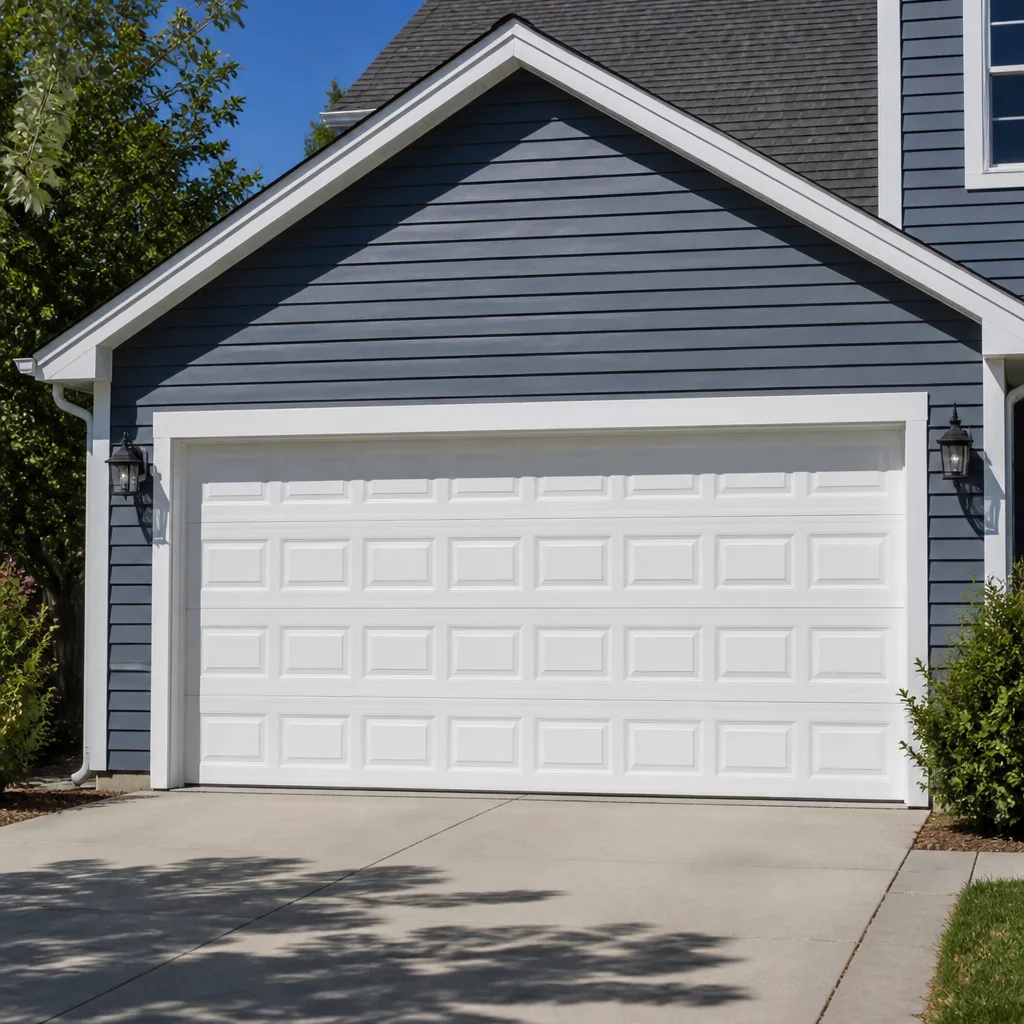 Raised-panel steel
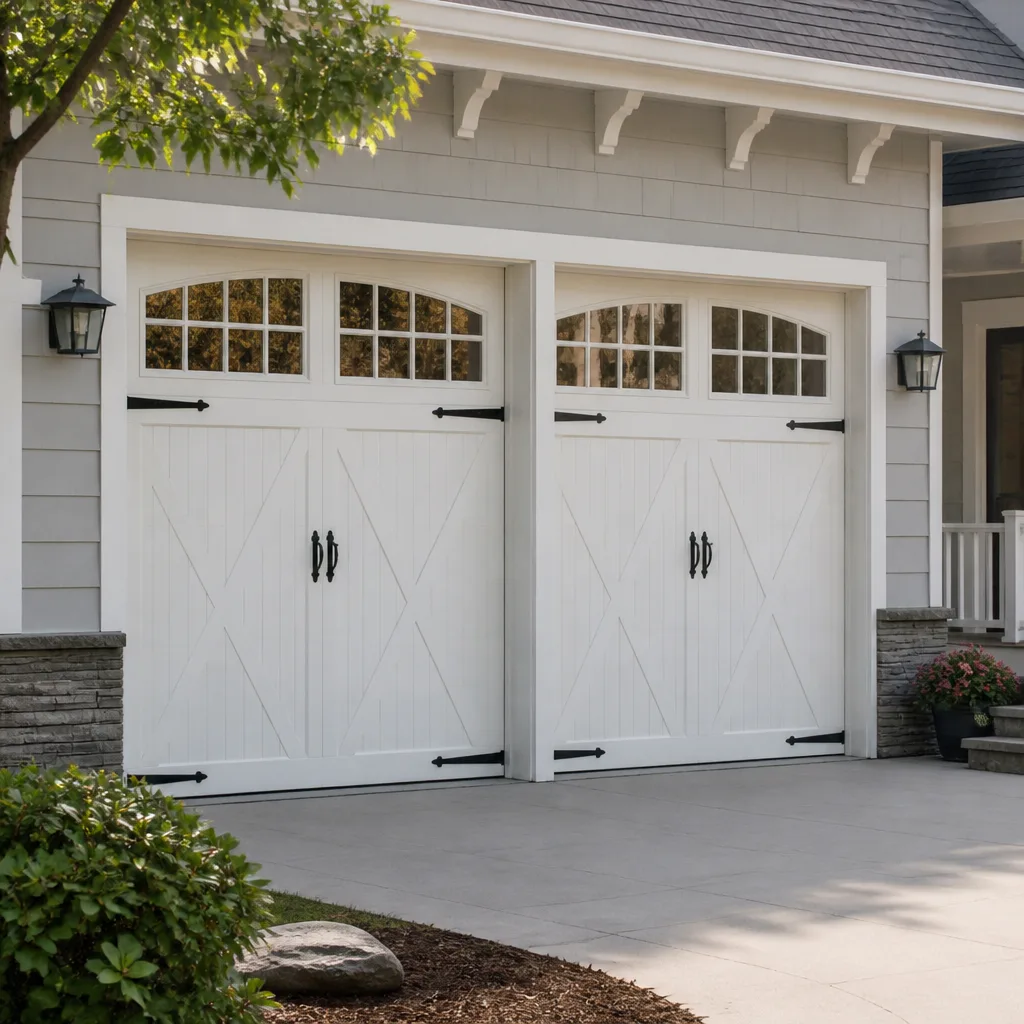 Carriage house
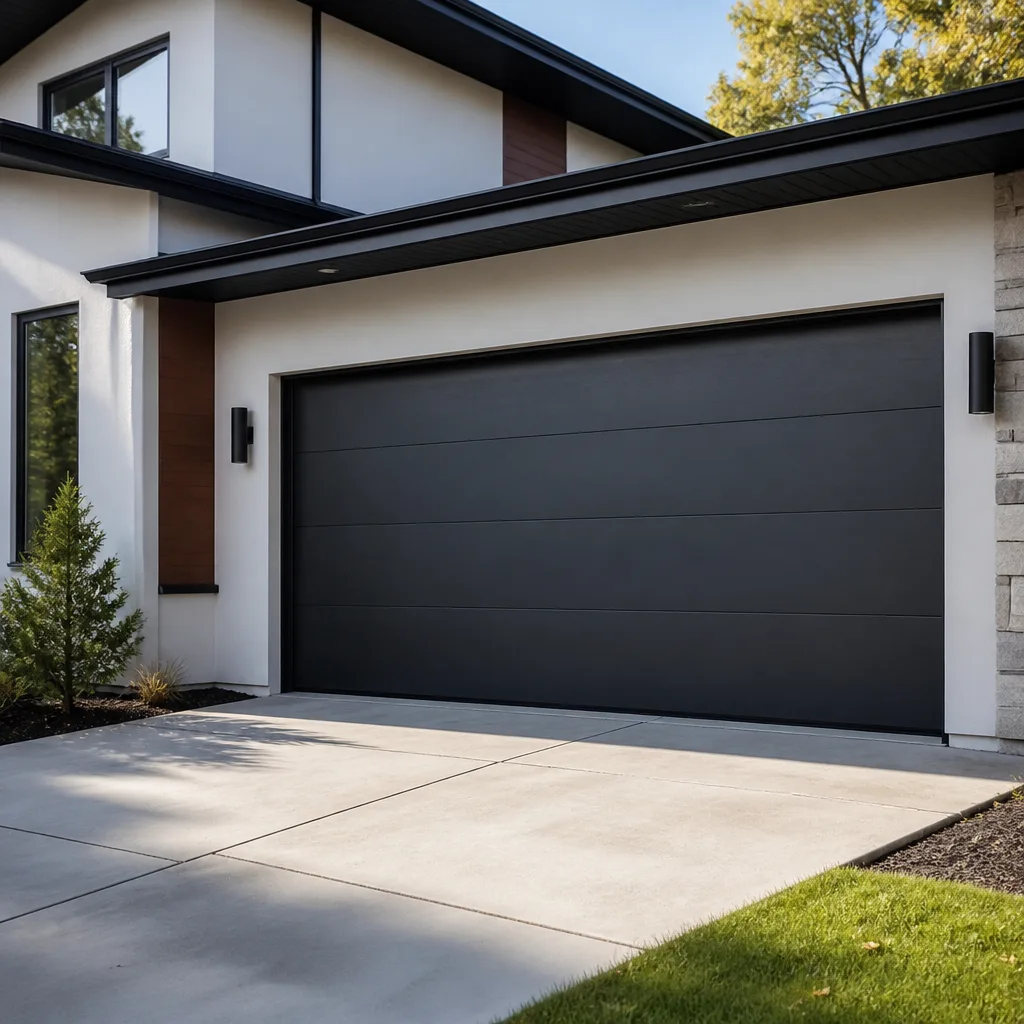 Modern flush
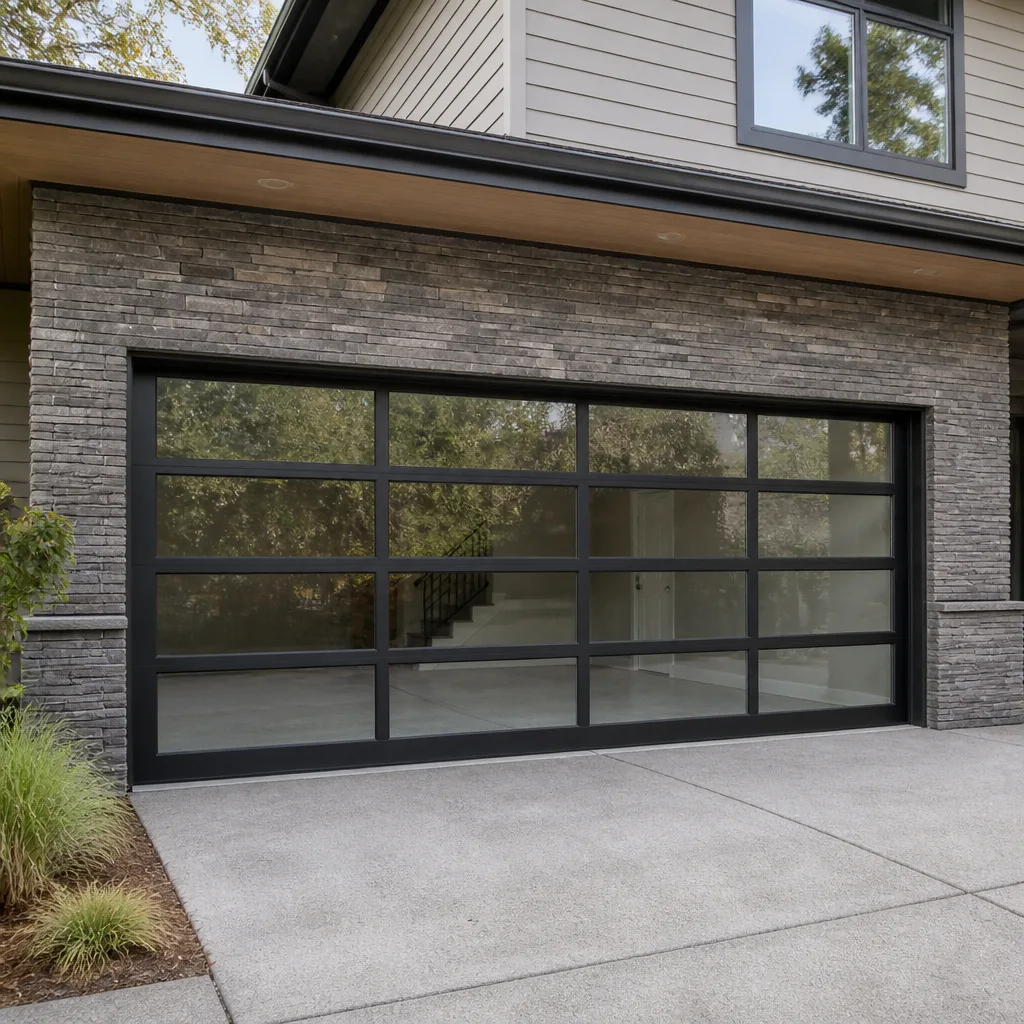 Full-view glass
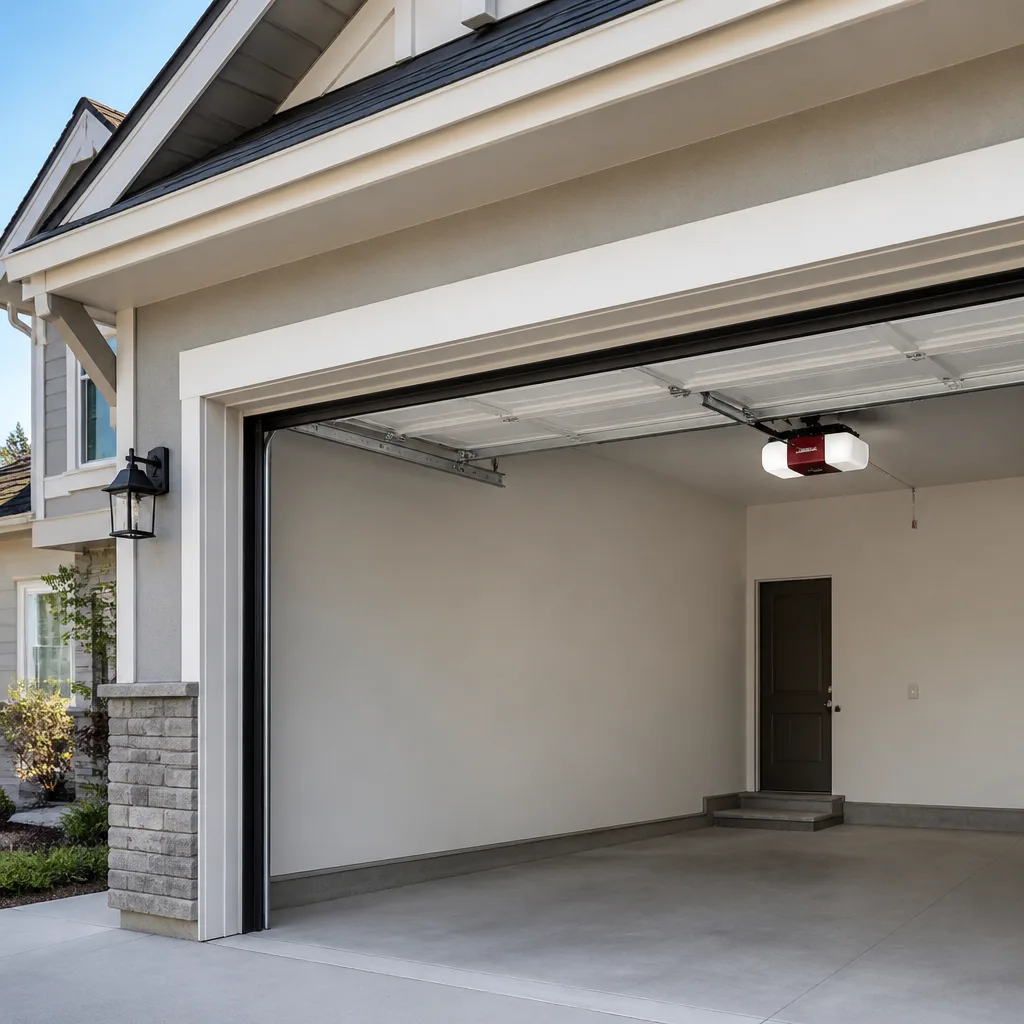 LiftMaster openers
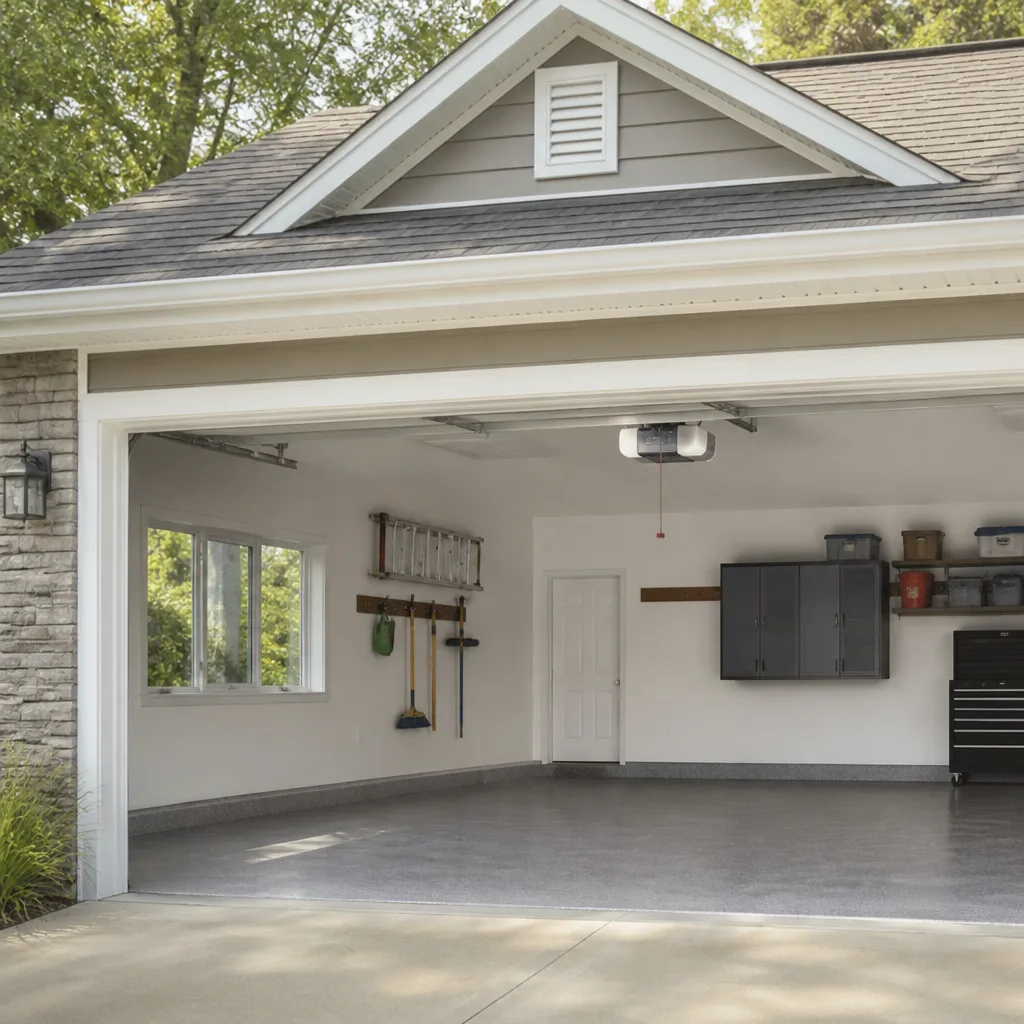 Chamberlain openers
Full 25-point door and opener safety check with every visit - springs, cables, rollers, tracks, and your LiftMaster or Chamberlain opener included
You get a price before we start. It does not change when the pro arrives.
Get your free estimateGarage Door Repair Maintenance Checklist for Goodyear Homeowners
The number-one reason Goodyear garage doors fail prematurely isn’t neglect. It’s maintenance done out of season, with the wrong products, following advice written for climates where summer tops out at 85°F. A checklist copied from a northern guide tells you to lubricate in fall and inspect for ice damage. Neither means anything when your weatherstripping has been baking at 110°F since June. Your door ages on a different schedule here, and it breaks in different places. This guide covers what actually fails in Goodyear, month by month, with the products and inspection points that hold up in desert heat. We’ve seen enough of these doors to know where the trouble starts.
Quick Answer
A garage door maintenance checklist for Goodyear should focus on heat and UV exposure rather than cold: inspect and lubricate springs, rollers, and hinges with a high-temp silicone or lithium lubricant every three months, check bottom seals and weatherstripping for UV cracking monthly from May through September, test the opener’s safety reverse monthly, and have a trained technician inspect springs and cables once a year. The most common early failures here are dried-out rollers, cracked bottom seals, and opener motors cycling off from thermal overload.
Styles & brands we work with
- Raised-panel steel
- Carriage house
- Modern flush
- Full-view glass
- LiftMaster openers
- Chamberlain openers
Table of Contents
- Why a Desert Garage Door Ages Differently
- The Month-by-Month Calendar for Goodyear
- The Right Lubricant for Desert Heat (and What Breaks Down)
- The Gap Test: Spotting Spring Wear Before It Snaps
- UV Degradation: Panels, Bottom Seals, and Weatherstripping
- Opener Thermal Cutoff: Heat Cycling vs. Real Failure
- The Monthly Safety Tests That Take Five Minutes
- Keeping a Maintenance Record for Your Goodyear Home
Why a Desert Garage Door Ages Differently
Garage door maintenance advice usually comes from regions with four real seasons. In Goodyear, the door faces something those guides never account for: months of sustained heat and intense sun with almost no freeze. That changes which parts fail first and when.
Two things drive most of it. First, heat. A west-facing garage door in Goodyear can get hot enough to soften lubricant, dry out rubber, and push an opener motor into thermal protection. Second, ultraviolet light. UV attacks anything rubber or plastic: bottom seals, weatherstripping, the plastic parts of rollers, even the finish on steel panels. Neither problem pauses in winter the way a northern guide assumes.
Here’s the shift in thinking: in a cold climate, the big seasonal worry is freeze-thaw and metal contraction. In Goodyear, the worry is expansion and baking. Metal panels expand with heat and can warp or bind if the door is out of balance. Seals dry and crack. Lubricants thin out and stop protecting. The maintenance calendar follows the heat, not the calendar page.
That means your heaviest inspection months are late spring through early fall, not the shoulder seasons. A door that’s fine in January can develop a cracked seal by August if nothing’s been checked. We’ve watched enough Goodyear doors to know that the August failures usually trace back to a June inspection that never happened.
Understanding your specific door system matters too. Whether you have an Amarr steel door or an older Wayne Dalton, the failure points are similar but the fix differs. That’s the kind of detail a garage-door-only specialist tracks closely.
The Month-by-Month Calendar for Goodyear
Generic checklists split maintenance into “spring” and “fall.” That split makes sense where winters are harsh. In Goodyear, the real risk window is the hot stretch, so the calendar is front-loaded and heavier in summer. Here’s how we’d break it down for a typical Goodyear home.
- January (cool-season check): Inspect springs and cables for visible wear, test the opener’s balance and safety reverse, and clean the tracks. Cooler months are the best time for a full inspection because you can work comfortably and catch issues before the heat.
- February – March (prep for heat): Lubricate hinges, rollers, and the torsion spring with a high-temp product. Check the bottom seal for small cracks before they grow. Tighten any loose hardware.
- April (pre-summer sweep): Re-check weatherstripping around the door edges. Test the auto-reverse with a small object. Listen for new noises on open and close.
- May – June (UV watch begins): Inspect bottom seals and side weatherstripping monthly now. UV damage starts showing as stiff, chalky, or cracked rubber. Lubricate again if the sun-facing hardware looks dry.
- July – August (peak heat): Watch the opener for thermal cycling (more on this below). Check that the door still runs smoothly in the heat of the day, not just in the morning. Re-lubricate if needed.
- September – October (post-summer assessment): Do a full inspection now, before the cooler months hide problems. Replace any cracked seals. Check spring gaps and cable condition.
- November – December (year-end): Lubricate, test safety features, and book a professional spring and cable inspection if you haven’t had one this year.
The point of this calendar is simple: your heaviest vigilance lands in the hottest months, opposite of a northern guide. Pull it up in July, not just in spring.
The Right Lubricant for Desert Heat (and What Breaks Down)
Most garage door lubricant advice assumes mild weather. In Goodyear, where the door surface and hardware can get very hot, the wrong lubricant thins out, runs off, or turns gummy. That leaves metal parts dry and grinding. Here’s how the common options hold up.
- White grease and light general-purpose oil: Cheap and easy, but they thin fast in sustained heat and attract dust, which turns into a gritty paste on rollers and hinges. Not a good match for a Goodyear summer.
- Standard lithium grease: Better staying power than plain oil, but many lithium products are rated for moderate temperatures and can separate or run when it’s consistently hot. If you use lithium, choose a high-temperature grade.
- Silicone-based lubricant: The safer all-round choice for desert heat. It resists high temperatures, doesn’t gum up, and won’t attract dust the way greasy products can. It’s the one we lean toward for hinges, rollers, and tracks here.
- Specialty high-temp lubricants: Some products are formulated specifically for hot environments. These work, but check the label’s temperature range so you’re not buying a “high-temp” product designed for an oven, not a garage in Goodyear.
The rule of thumb: if the product doesn’t state a temperature range that covers well past 100°F, don’t count on it through a Goodyear summer. Apply sparingly, wipe off excess, and re-apply more often during the hot months rather than relying on a single annual coat.
One caution: don’t lubricate the tracks themselves with grease. Tracks should be clean and dry, with only a very light silicone wipe if needed. Grease in tracks collects grit and causes binding.
The Gap Test: Spotting Spring Wear Before It Snaps
A torsion spring is the part that actually lifts your door, and it’s under heavy tension at all times. In Goodyear’s heat, springs can fatigue faster because the constant expansion and settling of the metal. The gap test is a visual check you can do without touching the spring, and most homeowners have never heard of it.
Here’s the idea behind it. A torsion spring is a coiled length of steel. Over time, as it winds tighter and unwinds with each cycle, the coil can develop a visible gap, or the spring can stretch slightly. A widening gap between the coils, or a spring that looks longer than it did, is an early sign of wear before a full snap. You’re looking, not touching.
- With the door closed, stand at a safe distance and look at the torsion spring (the horizontal spring above the door, mounted on a shaft).
- Check whether the coils look evenly spaced or whether there’s an obvious gap or stretch.
- Look for any rust lines, especially in a dry climate they signal moisture intrusion or age.
- Notice whether the door feels heavier than usual when you lift it manually (with the opener disconnected). A door that’s suddenly hard to lift often means the spring is losing tension.
- If you see a gap, stretching, or rust, stop and call a professional. Do not try to adjust or replace a torsion spring yourself.
We’ll say this plainly: torsion springs and the cables attached to them are under extreme tension and can cause serious injury if handled wrong. The gap test is a look-and-observe check, nothing more. Any real work on springs belongs with a trained technician, especially on a door that’s been through a Goodyear summer. If you suspect spring trouble, that’s exactly what garage door repair is for.
UV Degradation: Panels, Bottom Seals, and Weatherstripping
West Valley sun is relentless, and it goes after everything rubber and plastic on your door. In Goodyear, UV damage is the most predictable wear point on the whole system, and it shows up on specific parts you can check yourself.
- Bottom seal (the astragal): This is the rubber strip at the bottom of the door. UV turns it stiff, chalky, and cracked. A cracked bottom seal lets dust, heat, and pests in, and it can make the door close unevenly. Check it monthly from late spring through early fall.
- Side and top weatherstripping: The rubber or vinyl strips around the door frame dry out and pull away. Look for gaps, curling, or a brittle texture. Replacing worn weatherstripping is inexpensive and helps keep the garage cooler.
- Panel finish: Steel panels are coated, but sun exposure on a west- or south-facing door can fade or chalk the finish over time. Chalking isn’t a failure by itself, but it’s a signal the protective coat is wearing. A light wash and a check for rust spots along the panel seams is worth doing each season.
- Plastic roller housings and hinges: Plastic parts stiffen and crack with UV over time. When you lubricate, glance at these for hairline cracks.
Goodyear homes on the west side of the valley with doors facing the afternoon sun tend to see UV wear first. If your door faces west, shorten your inspection interval on seals and weatherstripping to monthly through summer.
Opener Thermal Cutoff: Heat Cycling vs. Real Failure
In a Goodyear summer, garage attics and garages get very hot, and that heat affects the opener motor. Many modern openers have a thermal cutoff: if the motor gets too hot, it shuts off to protect itself. The door stops mid-cycle, and the homeowner assumes the opener is broken. Often it isn’t. It’s heat cycling.
Here’s how to tell the difference, and it’s a useful check for any Goodyear homeowner, whether you have a newer LiftMaster, a legacy Craftsman, or a Chamberlain myQ unit.
- Note the timing. If the door stalls only during the hottest part of the day and works fine early morning or after the garage has cooled, heat is the likely cause.
- Wait and retry. After the unit cools, does it work again? If yes, thermal cutoff is likely, not a hard failure.
- Listen for the pattern. A motor that hums, stops, then clicks back to life is often cycling. A motor that’s dead quiet or makes grinding noises is a different problem.
- Check for ventilation. A hot, closed garage compounds the issue. Improving airflow in the garage can reduce heat buildup around the opener.
If your opener cycles off every hot afternoon, that’s a sign it’s working too hard, and it’s often worth having the door balance and opener inspected. When a unit is genuinely failing, that falls under garage door opener repair. If you’re unsure which you’re dealing with, a quick check with a technician settles it. Don’t stand on a ladder and reach into the motor housing to investigate yourself.
The Monthly Safety Tests That Take Five Minutes
Every garage door has safety features that need occasional testing, and they matter more where heat can affect the door’s movement. These are quick checks that don’t require tools.
- Balance test: With the door closed, disconnect the opener (pull the release handle). Lift the door about halfway by hand. A balanced door should stay in place. If it drops or rises on its own, the springs or cables need attention from a professional.
- Auto-reverse test (object): Place a piece of wood or a small box flat on the floor in the door’s path, then close the door. The door should reverse when it hits the object. If it doesn’t, the safety system needs adjustment.
- Photo-eye test: The small sensors near the floor, on both sides of the door, should stop the door from closing if the beam is broken. Wave an object between them while closing; the door should reverse.
- Manual release check: Make sure the red release handle works smoothly. In an emergency you’ll want it to operate without sticking.
Do these tests in the morning when the garage is cool, so heat cycling doesn’t confuse the results. If any test fails, avoid using the door until a technician looks at it. Garage doors are heavy, and a door that’s out of balance or has a failing safety feature can be dangerous.
Keeping a Maintenance Record for Your Goodyear Home
A maintenance log sounds like a chore, but it’s genuinely useful here. Because desert wear is driven by heat and UV, a written record tells you exactly when seals and springs were last checked, which is more reliable than memory. It also helps when you sell a home in Goodyear, since buyers appreciate a documented history on a major moving part.
Keep it simple. A note on your phone or a page in a home binder works fine. Record what you did (lubricated hinges, replaced bottom seal), when you did it, and any professional inspections. Note which parts were checked and their condition. If you have your door serviced, save the written estimate and any notes from the technician.
For a Goodyear home with a west-facing door, track UV-sensitive parts (seals, weatherstripping) on a monthly line through summer and everything else on a quarterly line. When you eventually need new panels or a full replacement, that record shows a well-maintained door, which supports a fair assessment.
If you’re comparing door brands for a future replacement, it also helps to know what you currently have. If your technician confirms a Raynor or Amarr door, note the model. Brand-specific records make future Mariner Garage Door Repair visits faster, because technicians walk in knowing the system.
Common Mistakes to Avoid
- Following a northern-climate checklist in Goodyear. Fall lubrication and freeze prep waste effort. Your real risk is summer heat and UV, so time your inspections accordingly.
- Using the wrong lubricant in summer. Thin oil and some lithium products break down and attract dust in desert heat. Choose high-temperature silicone and reapply during hot months.
- Ignoring the bottom seal until it’s shredded. UV cracks seals from the outside, and by the time a crack is obvious, the seal’s been failing a while. Check it monthly from late spring.
- Trying to adjust or replace a torsion spring yourself. Springs and cables are under extreme tension. The gap test is observation only; real work must go to a trained technician.
- Mistaking heat cycling for a dead opener. A unit that stops on hot afternoons and works later may just be hitting thermal cutoff. Diagnosing this correctly saves a needless replacement.
- Skipping the monthly safety tests. The auto-reverse and photo-eye tests take minutes and protect the people and pets who use the door. Don’t treat them as optional.
- Letting a Goodyear door go years between professional inspections. Springs and cables wear quietly. A yearly professional inspection catches issues before they become repairs.
See the difference
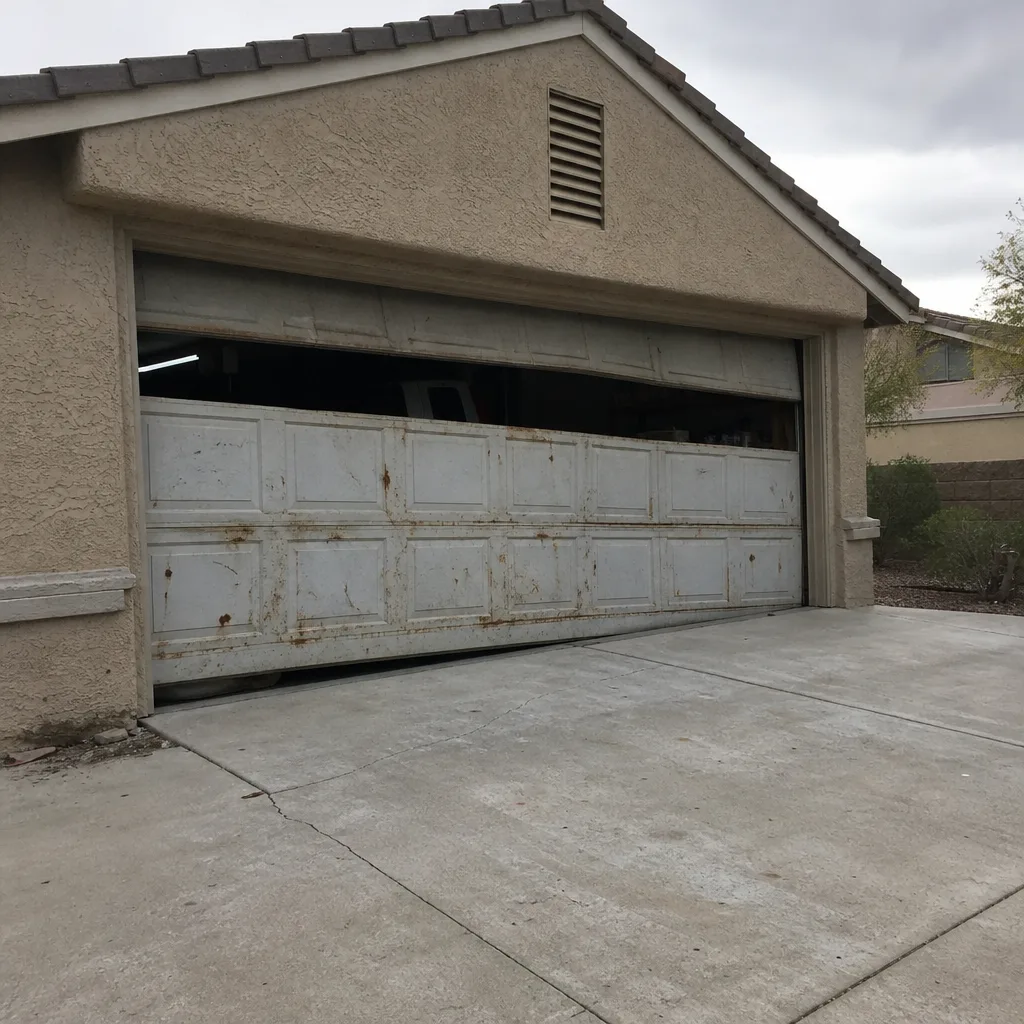 Before
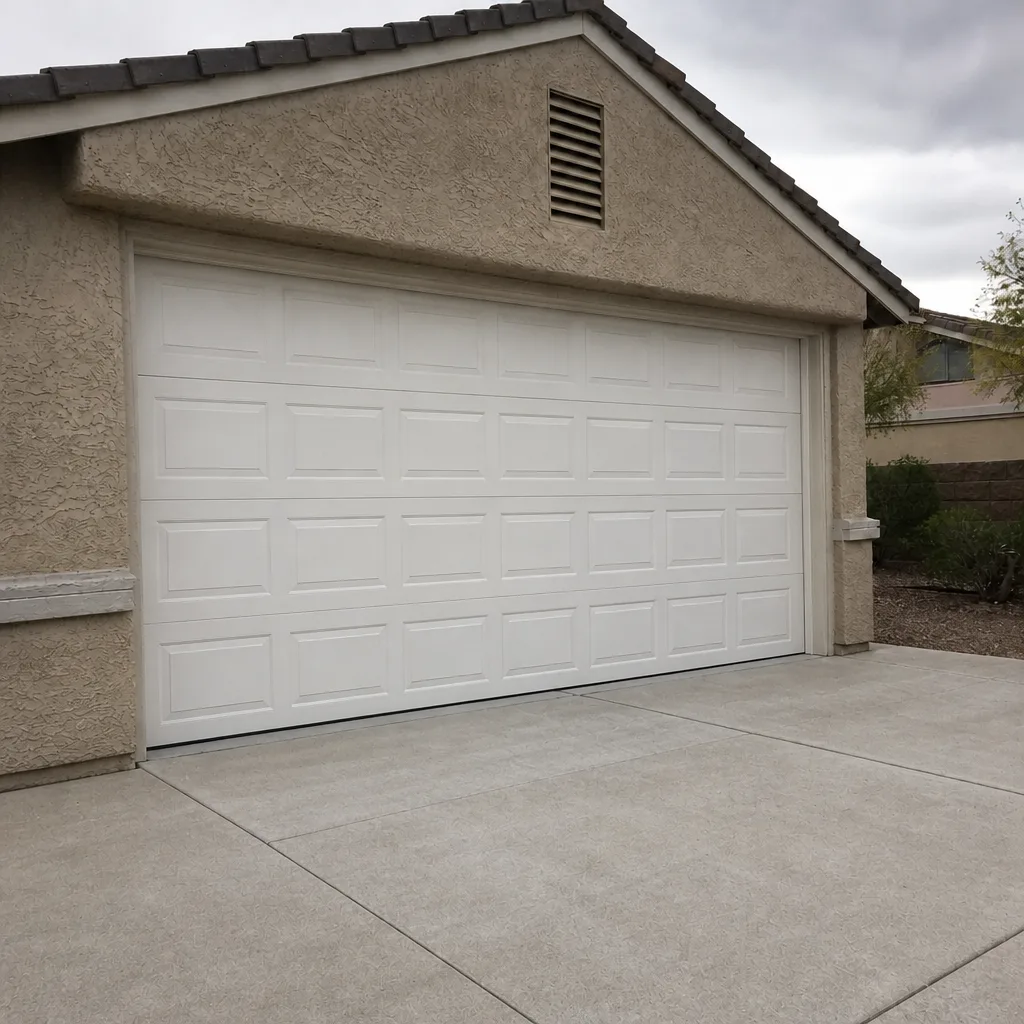 After
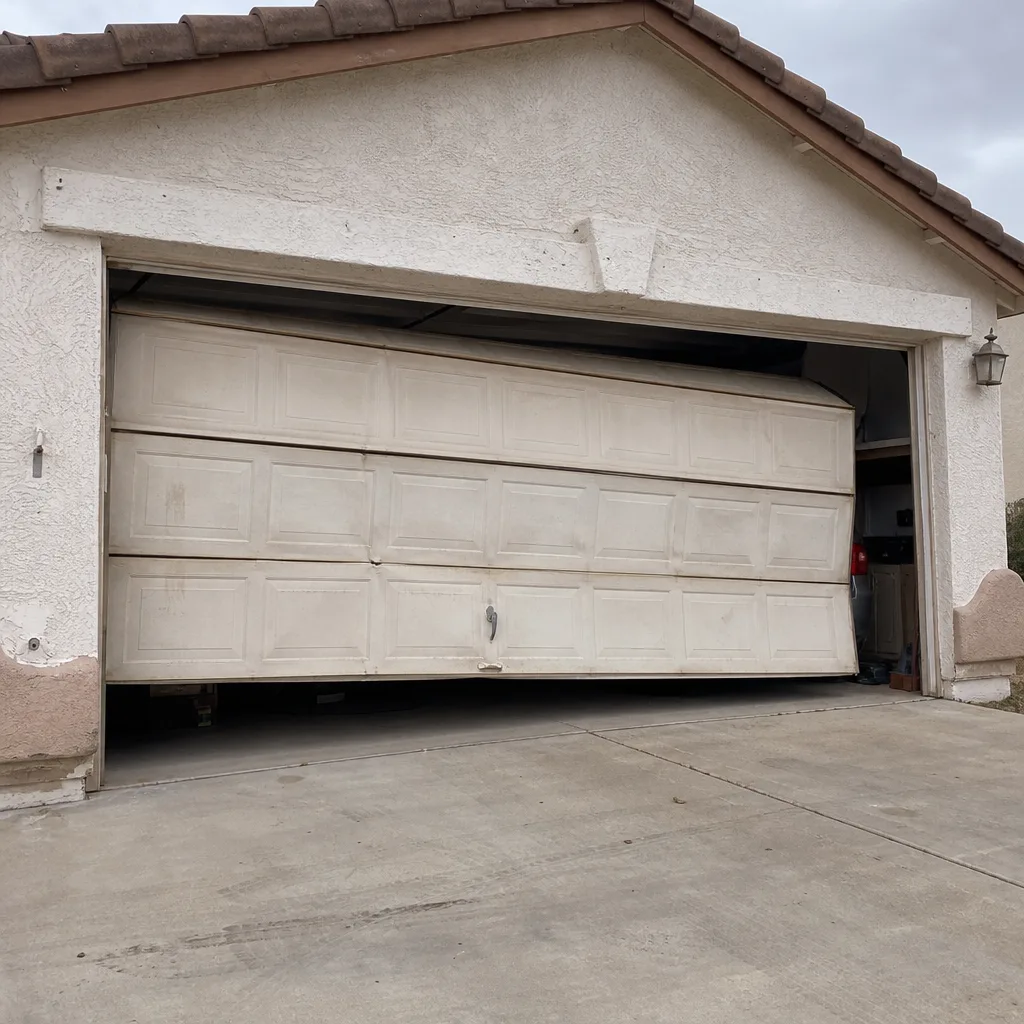 Before
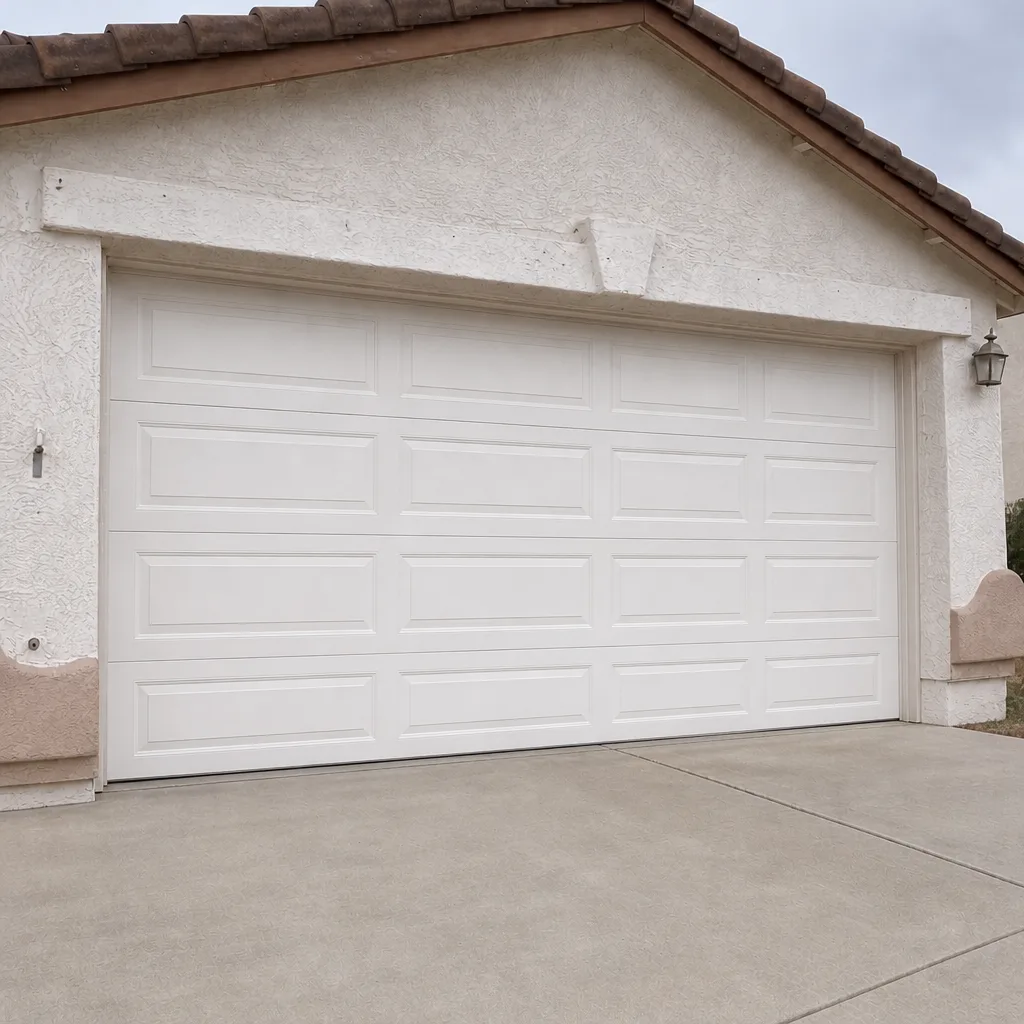 After
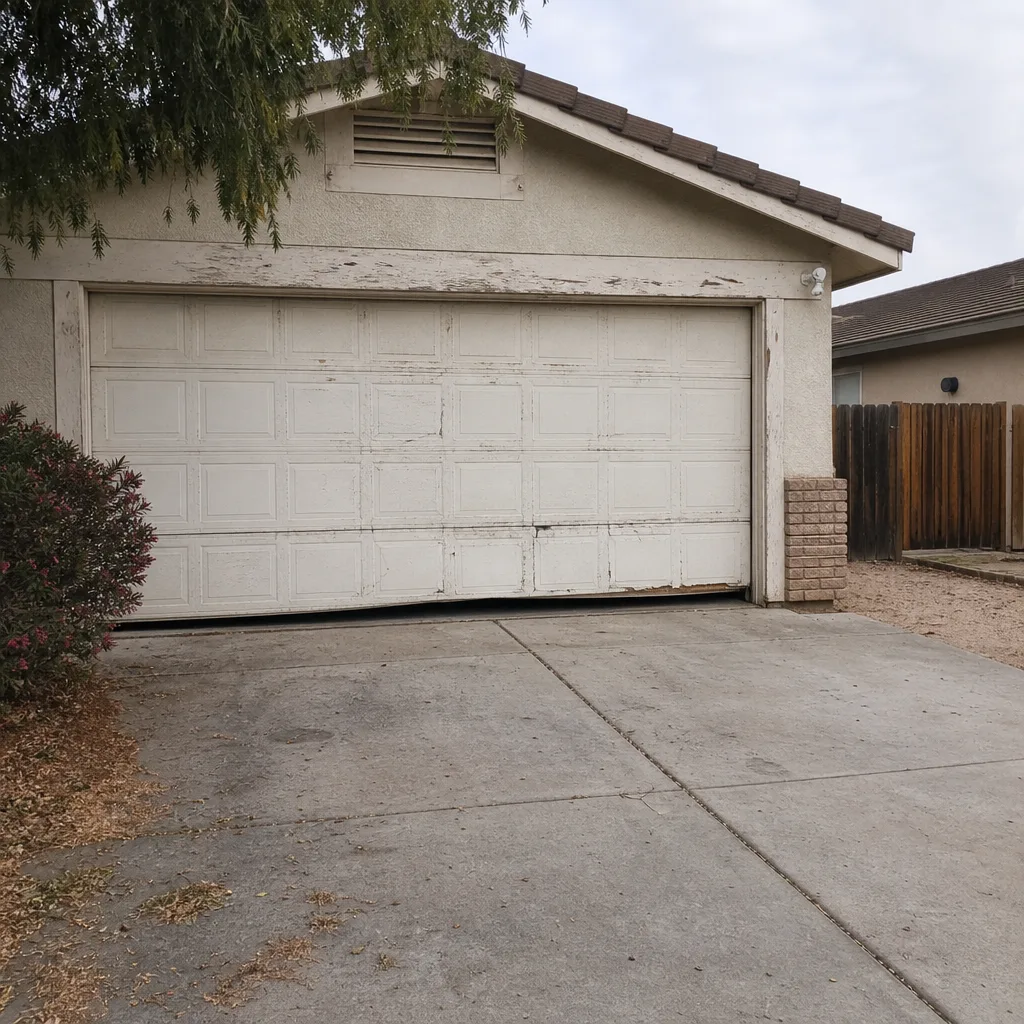 Before
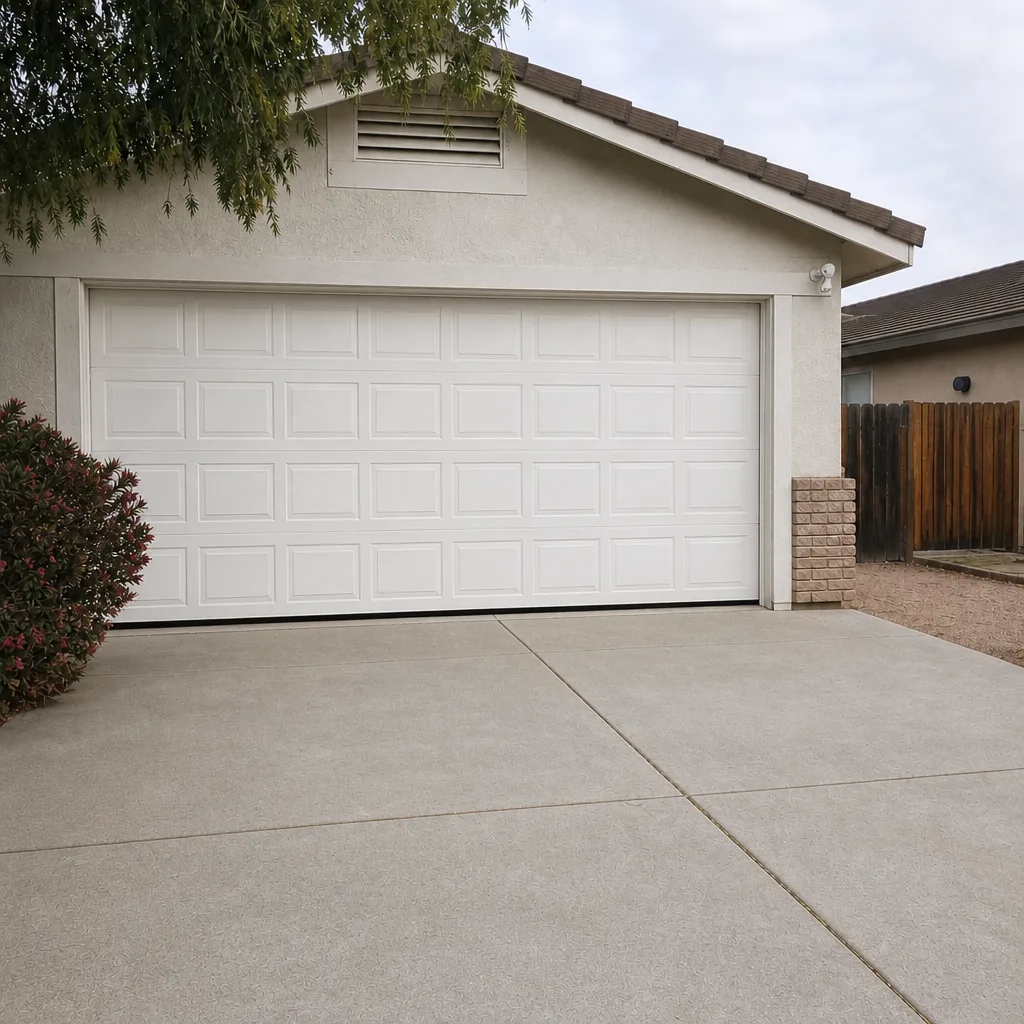 After
When to Call a Professional
Some maintenance is safe for homeowners: lubricating, cleaning, and running safety tests. Some is not. Call a professional when you hear grinding or snapping from the door, when a cable looks frayed or loose, when the door is out of balance, when a torsion spring shows a gap or stretch, when the door won’t reverse on the safety test, or when the opener cycles off repeatedly and won’t stay running. Springs and cables are the most dangerous parts of the system, and heat-weakened hardware here can fail without warning. For any of these, stop using the door and let a technician inspect it.
Mariner Garage Door Repair offers free estimates in Goodyear. Call (844) 834-1797. We answer 24/7, with fast dispatch from 7am to 7pm, Sunday through Friday.
Frequently Asked Questions
Lubricate and run safety tests every three months, check bottom seals and weatherstripping monthly from May through September, and book a professional spring and cable inspection once a year. The hotter your door’s exposure (especially west-facing), the tighter you should keep the summer intervals.
A silicone-based high-temperature lubricant is the safest choice for hinges, rollers, and springs here, because it resists heat and doesn’t gum up or attract dust like thin oil or some lithium products do. Whatever you choose, verify the label’s temperature range covers well past 100°F.
That pattern usually means the motor is hitting its thermal cutoff, a safety feature that shuts the unit off when it gets too hot. Goodyear garages get very hot inside, so the motor works harder and can cycle off. If it works again once cooled, heat is likely the cause; a technician can confirm.
Look for a visible gap or stretch in the torsion spring coils, rust lines, or a door that suddenly feels much heavier to lift by hand. That’s the gap test, and it’s observation only. If you see these signs, stop using the door and call a professional rather than adjusting the spring yourself.
The technicians we connect you with are licensed and insured professionals. Call (844) 834-1797 for an exact quote; estimates are free.
No. We quote and agree the price before any work starts, so the written estimate is your price. Call (844) 834-1797 for an exact quote.
The Bottom Line
Garage door maintenance in Goodyear is about heat and UV, not cold. Focus your attention where the summer does its damage: lubricate with high-temperature silicone on a quarterly schedule, check seals and weatherstripping monthly through the hot months, run the safety tests, and watch for spring gaps and opener heat cycling. When something needs work on springs, cables, or a struggling opener, call a trained professional rather than risk an injury. Keep a simple record, respect the calendar the desert sets, and your door will serve your Goodyear home for years with fewer surprises.
Call (844) 834-1797 for a free estimate. We’re careful about the products we use in desert heat, and we work on Amarr, Wayne Dalton, Craftsman, Raynor, and other major brands. Need local service? See Goodyear for details on the area we cover.
Written by the team at Mariner Garage Door Repair.