
Last updated November 15, 2026
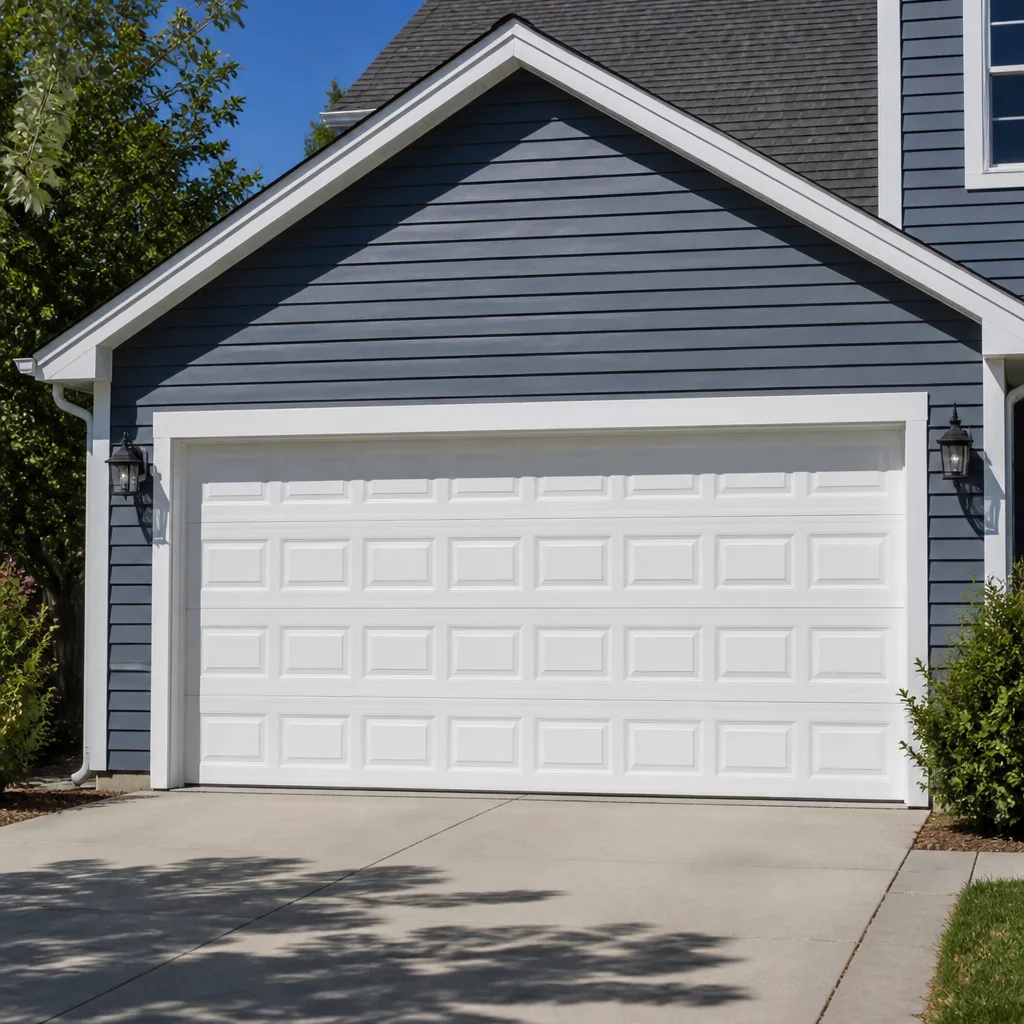 Raised-panel steel
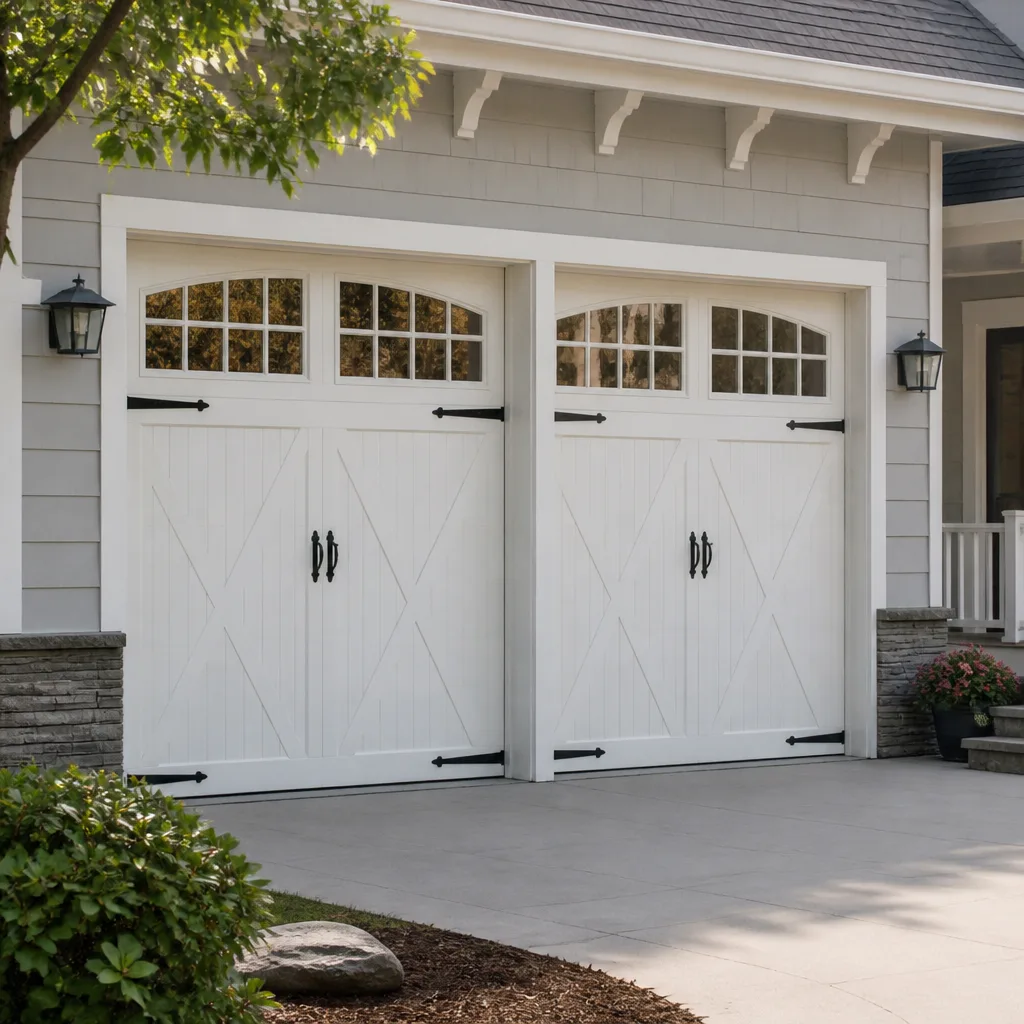 Carriage house
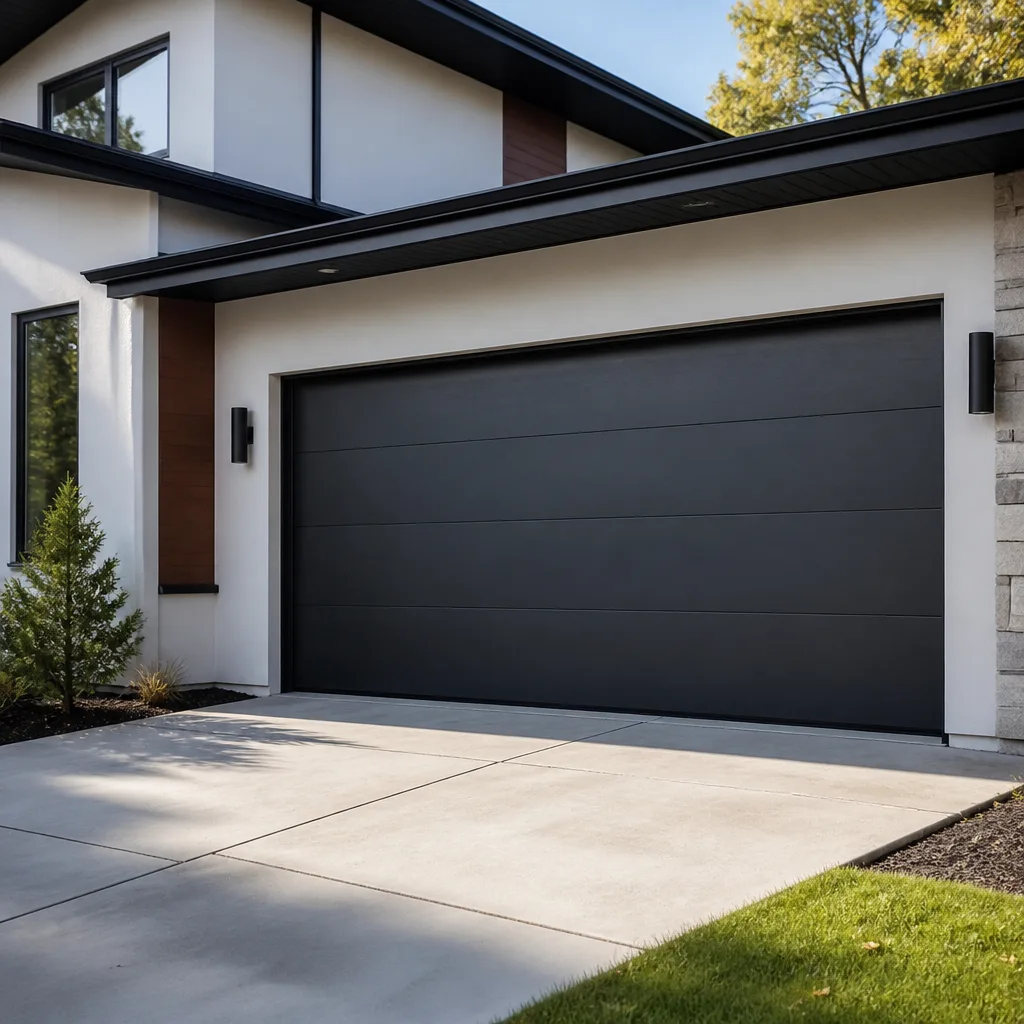 Modern flush
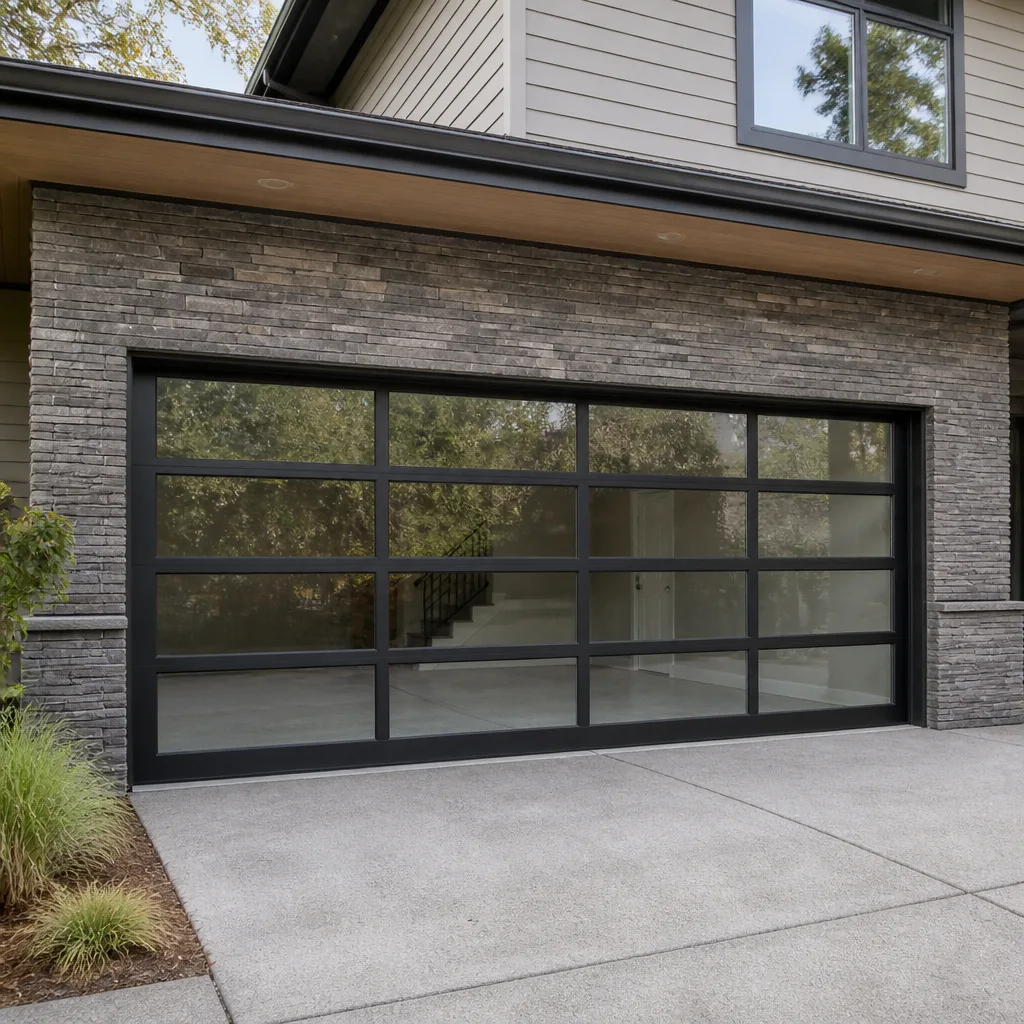 Full-view glass
 LiftMaster openers
 Chamberlain openers
Full 25-point door and opener safety check with every visit - springs, cables, rollers, tracks, and your LiftMaster or Chamberlain opener included
You get a price before we start. It does not change when the pro arrives.
Get your free estimateGarage Door Repair Maintenance Schedule: What to Do and When
Most garage door maintenance guides were written for temperate climates, and following one in Goodyear can do more harm than good. If you lubricate your springs in July when the grease is already breaking down, or ignore the dust that cakes your rollers every monsoon, you’re maintaining on the wrong calendar. Your door doesn’t face one stress season here. It faces two: a brutal dry summer that expands metal and cooks lubricant, and a gritty monsoon window that drives caliche dust into every track and hinge. This guide lays out a maintenance schedule built around Goodyear’s actual climate, month by month, so you’re doing the right task at the right time instead of checking boxes on a template written for Ohio.
Quick Answer
The best garage door maintenance schedule in Goodyear runs on two seasonal cycles, not one annual tune-up. Do your heavy inspection and lubrication in April and May before summer heat sets in, focus on dust and debris clearing from July through September during monsoon, and run a full reset in October once the storms pass. Sprinkled between those, a 10-minute visual check every quarter catches most problems before they turn into repair calls.
Styles & brands we work with
- Raised-panel steel
- Carriage house
- Modern flush
- Full-view glass
- LiftMaster openers
- Chamberlain openers
Table of Contents
- Why a Generic Maintenance Calendar Fails in Goodyear
- The Pre-Summer Checklist (April-May)
- The Monsoon-Season Checklist (July-September)
- The Post-Monsoon Reset (October)
- The Task Most Homeowners Skip: The Manual Disconnect Cord
- Building a 10-Minute Quarterly Visual Inspection
- What to Do Through the Mild Winter
- When to Call a Professional
Why a Generic Maintenance Calendar Fails in Goodyear
Goodyear sits in the West Valley, where summer afternoons routinely push past 110 degrees and the ground is a mix of desert hardpan and caliche. That combination changes what your garage door endures compared to a door in a mild coastal climate. Metal expands. Lubricant thins and runs. Rubber seals dry and crack under relentless UV. Then the monsoon arrives and pelts everything with wind-driven dust that settles into the tightest gaps.
A door that’s fine in March can be groaning by August if you treated maintenance as a once-a-year job. The national guides assume your worst enemy is cold and salt. Yours is heat and grit. Each one attacks different parts of the system.
- Heat stresses springs, warps panels slightly, and degrades petroleum-based lubricants fast.
- Dust and caliche build up in tracks and around rollers, causing binding and uneven travel.
- UV exposure breaks down weather stripping and bottom seals, especially on south- and west-facing doors.
- Dust storms blow debris against seals and into the gap under the door.
Our technicians have up to 11 years of experience working on doors across the Valley, and the pattern is consistent: doors that get seasonal attention last longer and need fewer emergency calls. The schedule below is built around that reality, not around a generic template. If you ever want a professional set of eyes on the whole system, we handle garage door repair throughout the area and can tell you exactly what your door needs.
The Pre-Summer Checklist (April-May)
April and May are your window to get ahead of the heat. Once June hits, the garage turns into an oven and any lubricant you applied is already under stress. Do the heavy work now, before the metal starts expanding and before the first 110-degree day. This is the most important block on the Goodyear calendar.
- Check spring tension before heat expansion sets in. A torsion spring that’s slightly weak in April will feel worse in July. Look for gaps in the coils, listen for a door that lifts unevenly, and check that the door stays balanced halfway up. Springs are under extreme tension and are genuinely dangerous to adjust by hand, so if something looks off, that’s a job for a trained technician.
- Swap petroleum-based lubricant for high-temp silicone. Standard grease thins and migrates in desert heat, which leaves rollers and hinges running dry. A silicone-based or lithium-complex lubricant holds up better. Apply it to hinges, rollers, and the torsion spring coils, not to the tracks themselves.
- Inspect and clean the tracks. Wipe out accumulated dust and grit with a dry cloth. Don’t grease the tracks, which just attracts more dust and turns it into a paste.
- Test the door’s balance. Disconnect the opener and lift the door halfway. A balanced door stays put. One that drifts down needs spring attention.
- Look at the weather stripping and bottom seal. Heat and UV dry these out. Cracked seals let in dust and pests and let cooled air escape.
For smart-home systems like a LiftMaster or Chamberlain myQ opener, this is also a good time to confirm the app is still connected and the safety sensors read cleanly. Opener electronics don’t love sustained heat either. Our garage door opener repair service covers both older Genie and Craftsman units and the newer connected platforms, so if yours is acting up, we can sort it out.
The Monsoon-Season Checklist (July-September)
Monsoon season flips the maintenance priority from heat to grit. Wind-driven dust and caliche find their way into every moving part, and blown debris tests your seals and sensors. During these months, your job is clearing and checking, not lubricating heavily. Too much fresh grease now just gives the dust something to stick to.
- Clear caliche and dust from the tracks weekly. A dry cloth or soft brush works. Grit in the tracks is the leading cause of doors that bind or reverse mid-travel.
- Test the bottom seal against blown debris. Press along the seal and look for gaps, tears, or sections that no longer contact the floor. A compromised seal lets dust under the door and into the garage.
- Check the safety sensors after any dust storm. Photo-eyes get coated with dust and the door refuses to close, or closes and reverses. A quick wipe of both lenses solves most of these.
- Look for debris caught behind the door or under the hinges. Small pebbles and twigs jam hinges and scar panels.
- Listen for new noises. A door that suddenly squeals or grinds during monsoon is usually telling you something has grit in it or a roller has worn.
If a monsoon gust has knocked your door out of alignment or a panel has taken a hit, don’t force the opener to fight it. Impact damage in Goodyear is usually wind or blowing-debris related rather than hail, which is uncommon here. Call a technician before a misaligned panel strains the opener and turns one repair into two. Mariner Garage Door Repair works on Raynor, LiftMaster, Chamberlain, and Genie systems, among others, so whatever nameplate is on your door, we’re set up to diagnose it.
The Post-Monsoon Reset (October)
By October, the storms have passed and the worst heat is behind you. This is the reset month, when you undo the effects of a full summer and set the door up for the mild winter ahead. Think of it as the second most important block on the calendar after pre-summer.
- Run a full balance test. Disconnect the opener, lift the door to the halfway point, and let go. It should hold. If it drifts or slams, the springs have lost tension over the summer and need a professional look.
- Clean the photo-eye lenses properly. After a season of dust, a thorough wipe of both sensors and a check that the indicator lights are solid is worth the two minutes.
- Check for UV-degraded weather stripping, especially on south- and west-facing doors. Those two exposures take the hardest sun in a Goodyear summer. Run your hand along the perimeter seal and look for cracking, shrinking, or sections pulling away from the frame.
- Re-lubricate with the high-temp product. With the dust settled and heat easing, a fresh application on hinges, rollers, and springs will carry you through winter.
- Test the manual release and the auto-reverse. Confirm the door reverses when it meets an obstacle, and that the manual release works cleanly. We cover more on that task below.
October is also the natural time to book a professional tune-up if you’ve never had one. A trained technician can measure spring tension, check the opener’s force settings, and spot the small issues that don’t show up in a visual inspection. It’s the single best moment in the Goodyear calendar to do it.
The Task Most Homeowners Skip: The Manual Disconnect Cord
The manual disconnect cord is the rope with a handle that hangs from the opener trolley, and almost nobody checks it. That’s a problem in Goodyear, because summer heat means power outages are a real possibility, and if the cord has jammed or the trolley has seized, you can’t open the door by hand when the opener has no power. A door stuck shut with no working manual release is a genuine headache.
Here’s what to check, without disassembling anything:
- Pull the cord gently. It should release the trolley from the opener arm smoothly. If it feels stiff, resists, or does nothing, the mechanism needs attention.
- Look at the cord itself. Heat and UV dry out the rope. A frayed or brittle cord can snap when you pull it during an actual outage.
- Confirm the trolley re-engages. After releasing, run the opener once and check that the arm reconnects. A trolley that won’t re-engage leaves you locked out of using the opener.
- Test it in the cool of the morning. Doing this check in the middle of a hot afternoon can be uncomfortable and the cord may behave differently once everything cools down.
If the release is stiff or the trolley won’t re-engage, don’t force it. That mechanism is part of the opener’s drive train, and a jammed trolley can burn out the motor if you keep cycling it. We service both legacy openers and modern connected systems, so a stiff disconnect on a Craftsman or a LiftMaster gets the same careful look.
Building a 10-Minute Quarterly Visual Inspection
You don’t need a full seasonal checklist four times a year. You need a quick routine that catches the majority of problems before they become repair calls. Ten minutes, once a quarter, covers the basics. Here’s the routine we suggest for Goodyear homeowners.
- Look at the springs. Thirty seconds. Check for visible gaps, rust, or uneven coils. Don’t touch them beyond a visual check. Torsion springs store enormous energy and a broken one can injure you badly, so leave any adjustment to a trained technician.
- Run the door and listen. A minute. A healthy door is steady and quiet. Grinding, squealing, or a door that hesitates means something is binding or worn.
- Check the tracks by eye. Look for dents, bends, or heavy dust buildup. A bent track throws the whole door off track and is worth catching early.
- Wipe the photo-eyes. Thirty seconds. Two lenses, one on each side. A dirty lens is the most common reason a door won’t close.
- Tug the manual release cord. A minute, as described above.
- Scan the seals and weather stripping. Look along the bottom and the sides for cracks, gaps, or pieces pulling away.
- Check the hardware. Glance at hinges and rollers for loose bolts or obvious wear. A quick visual pass is enough.
- Test the auto-reverse. A minute. Stand clear and place an object in the door’s path. The door should reverse. If it doesn’t, that’s a safety issue and a call to a professional.
- Watch the opener. Listen for unusual motor noise and confirm the safety sensors are reading cleanly.
- Note anything unusual. New sounds, a door that closes unevenly, a light that flickers. Write it down so you can mention it when you call.
This routine catches most of the small stuff: dirty sensors, worn rollers, drying seals, a weakening spring. It won’t catch everything, and it’s not a substitute for an annual professional look. But it keeps your door running smoothly between the seasonal blocks above. Combined with the pre-summer and post-monsoon checklists, it’s the core of a maintenance plan that actually fits Goodyear.
What to Do Through the Mild Winter
Goodyear winters are mild, and that’s a gift for your garage door. There’s no ice to worry about, no snow load, no freeze-thaw cycles chewing up the hardware. The winter months are the low-maintenance season, which makes them the right time to catch up on anything you deferred.
Keep the quarterly visual inspection going. Watch for the small stuff, particularly seals that cracked over the summer and haven’t been replaced. If a panel has a scuff or a cosmetic dent, winter is a fine time to address it before it becomes a bigger issue. Winter is also the natural window to schedule a planned new-door installation, since the work isn’t competing with a summer heat emergency. We handle full installation alongside repair, so if you’re considering a new door, that’s a conversation worth having once the busy season ends.
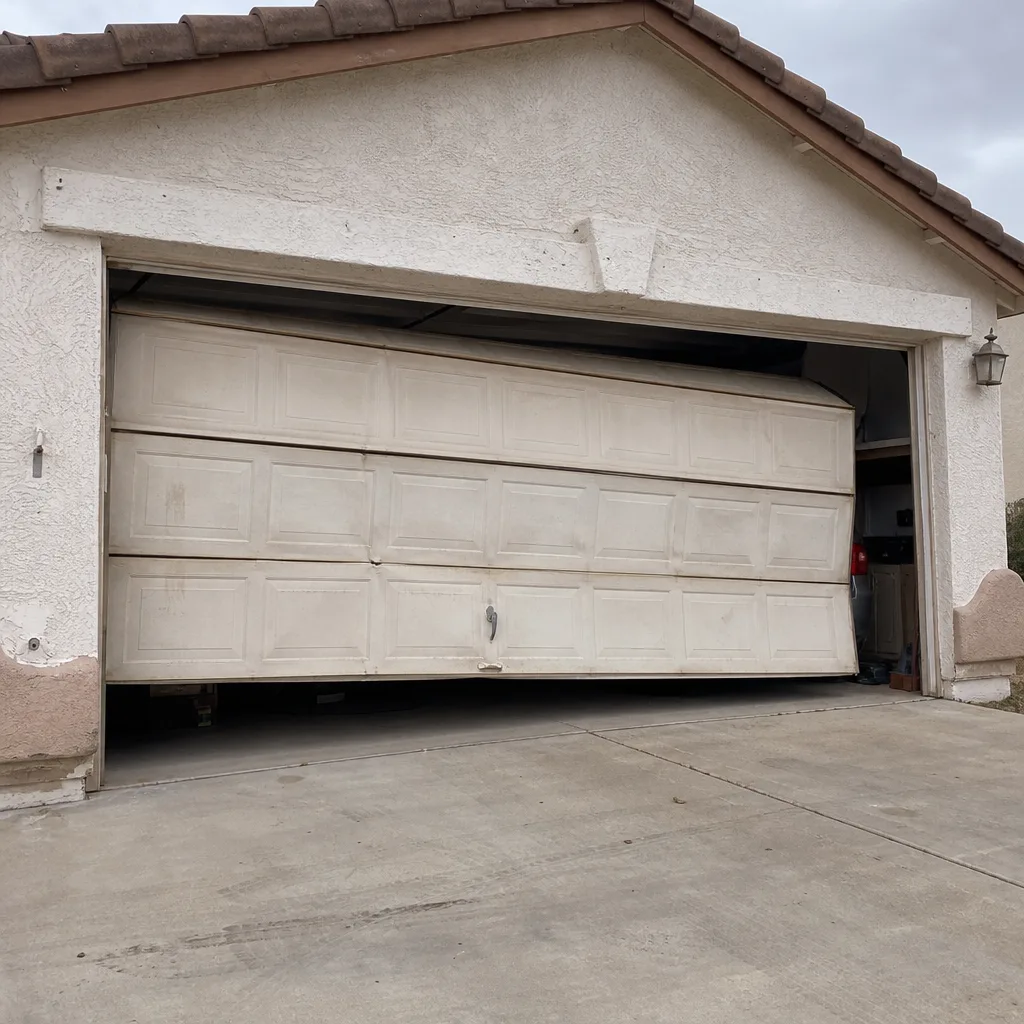
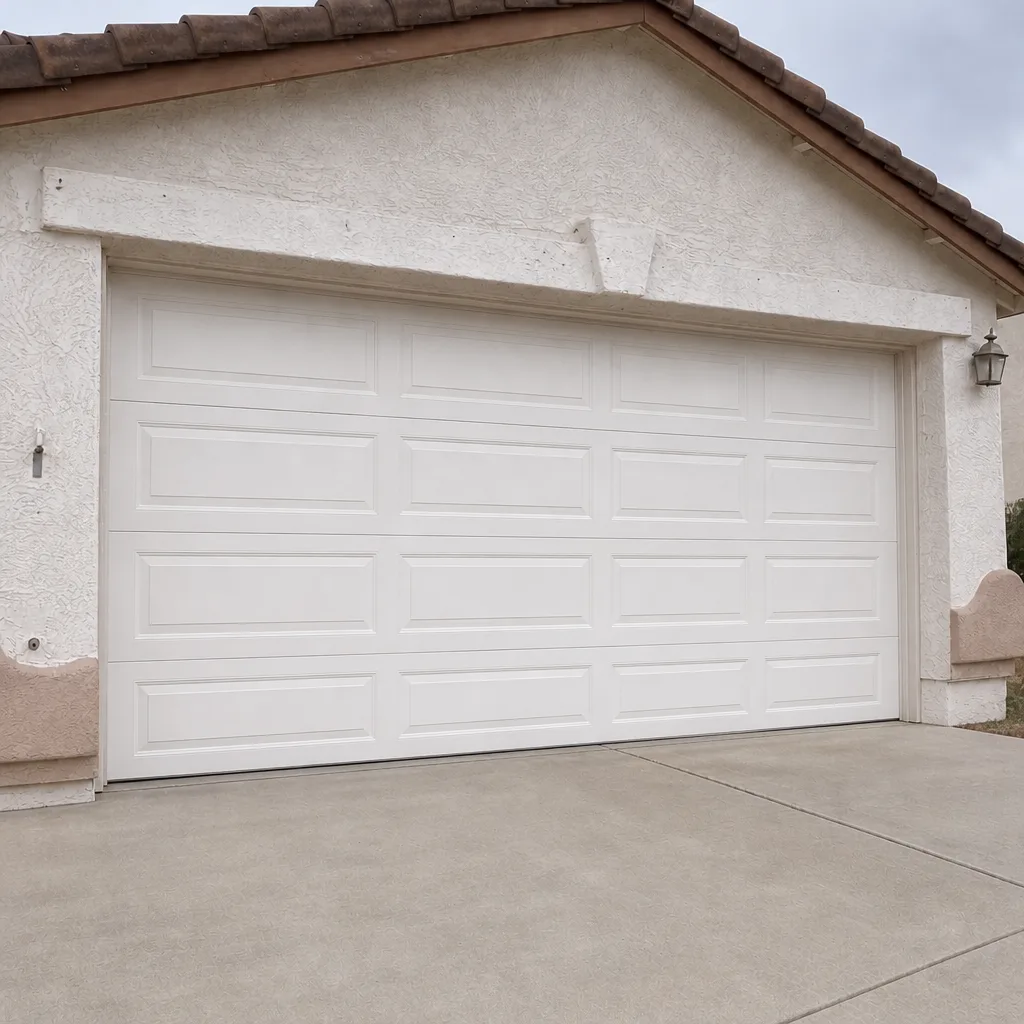
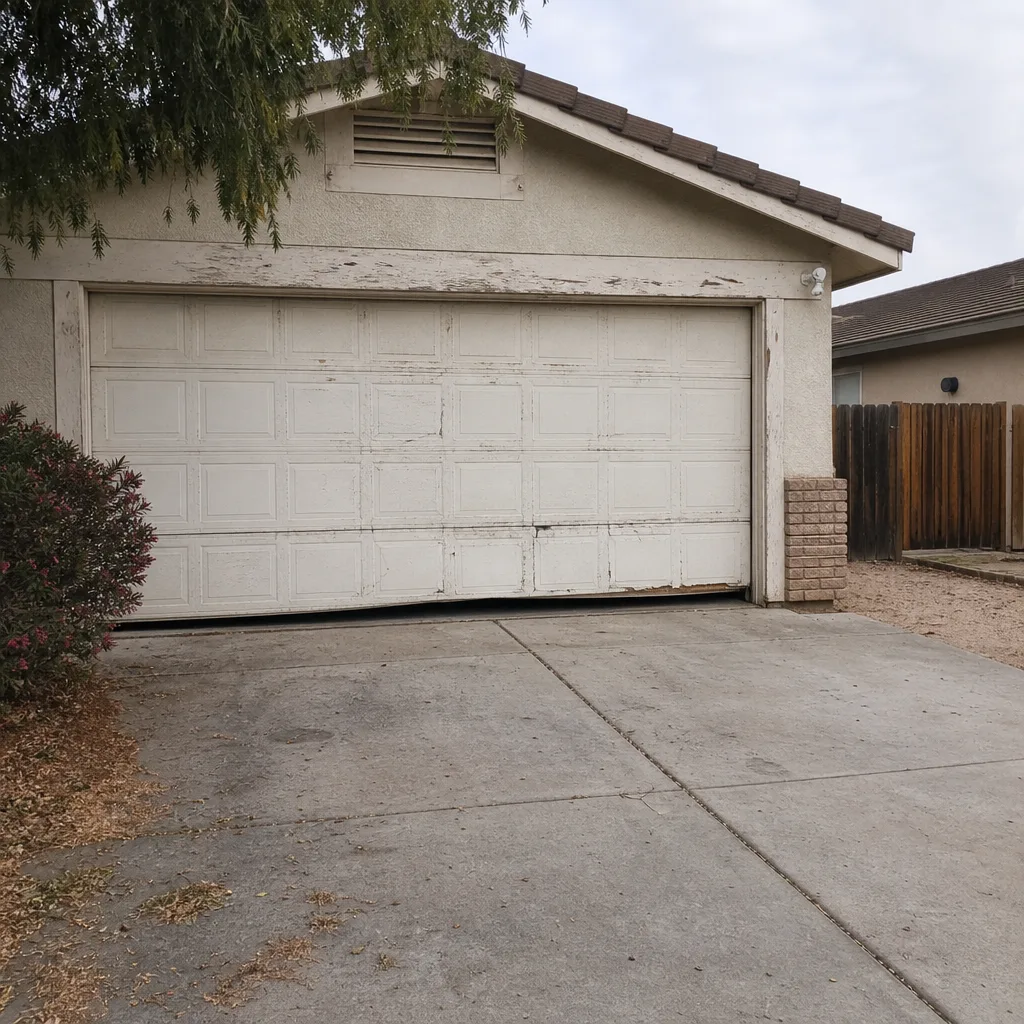
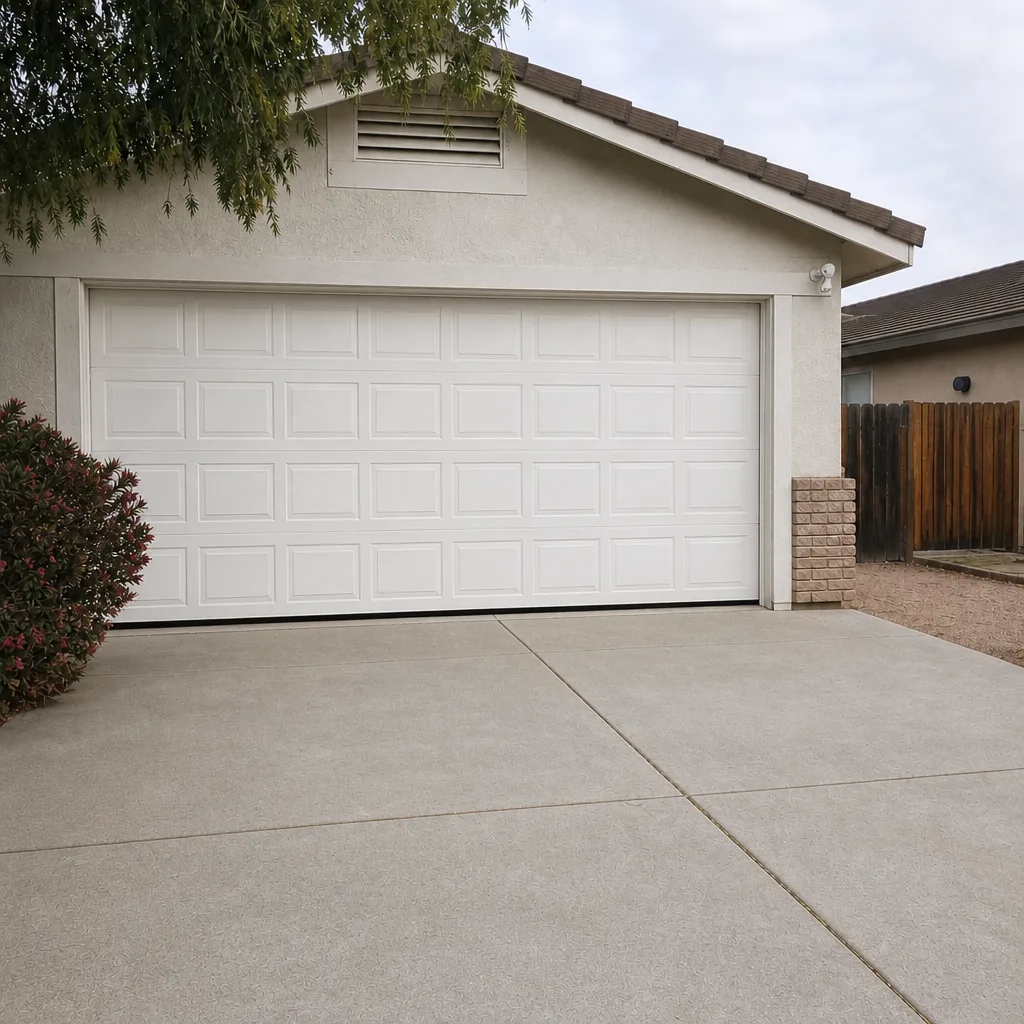
See the difference
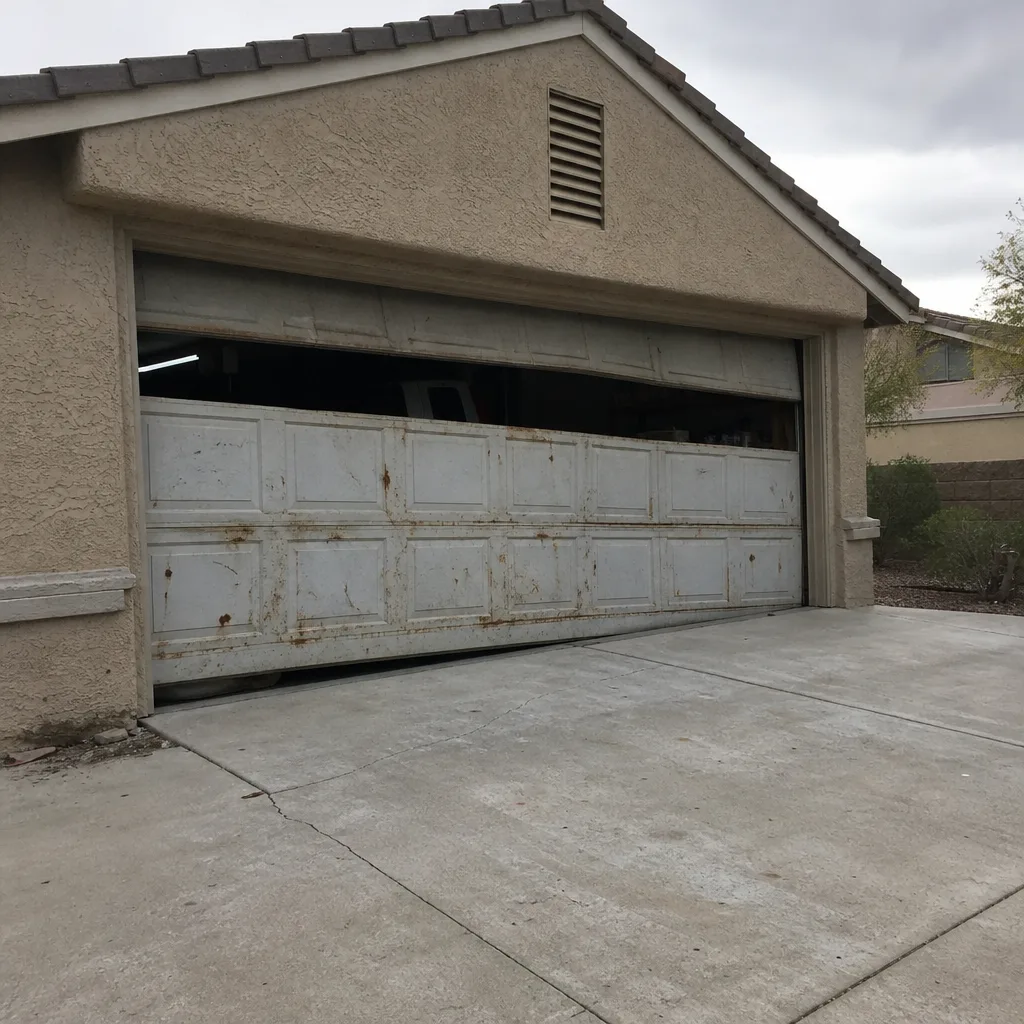 Before
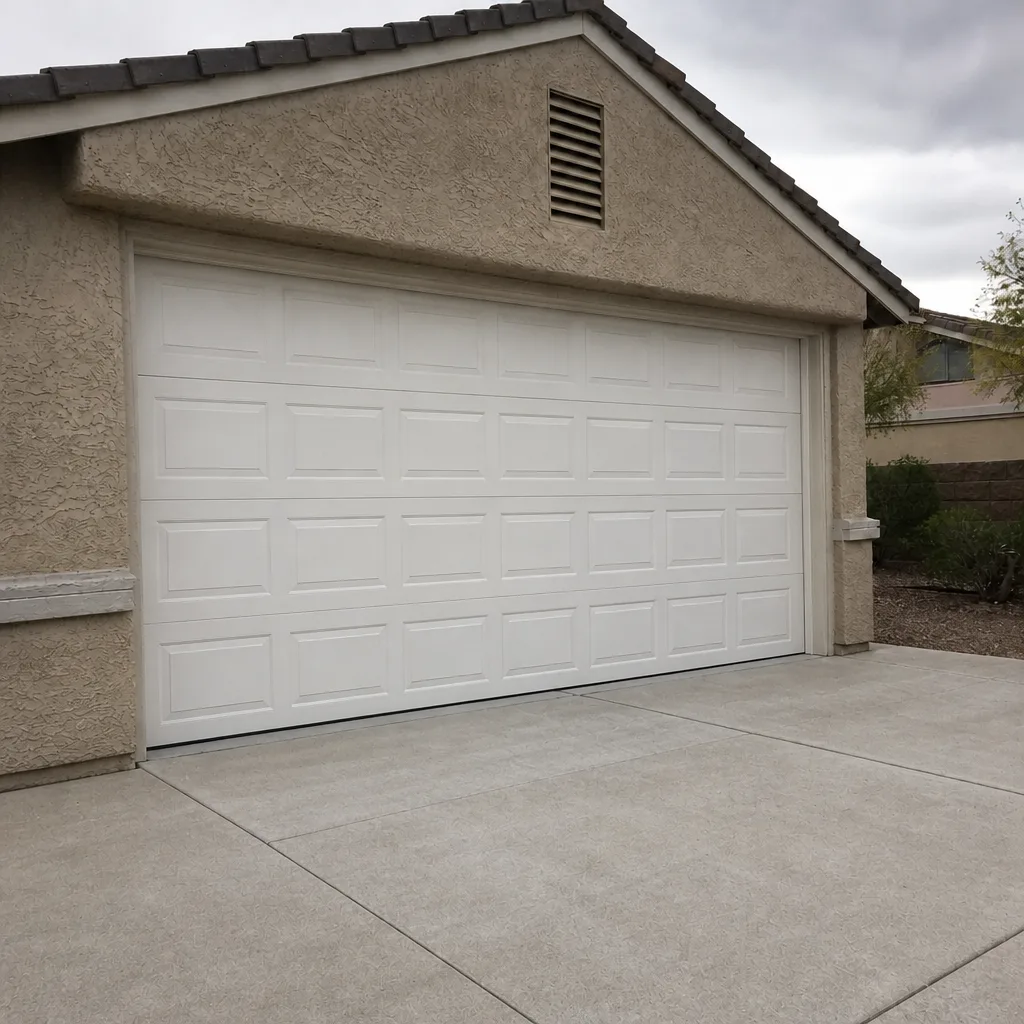 After
 Before
 After
 Before
 After
Common Mistakes to Avoid
- Following a national maintenance calendar. A guide written for a temperate climate tells you to lubricate in November and check for ice dams. In Goodyear, your spring maintenance belongs in April, not the fall, because heat arrives before summer officially starts.
- Using petroleum-based grease in summer. Standard grease thins and runs off metal in desert heat, leaving rollers and hinges dry. A high-temp silicone or lithium-complex lubricant holds up far better. This single switch prevents a surprising number of squealing-door calls.
- Greasing the tracks. It feels like maintenance, but on a dusty desert door it turns your tracks into a grit magnet. Clean the tracks dry; don’t lubricate them.
- Ignoring the monsoon dust cleanup. Letting caliche and dust build up in the tracks through July and August is how a smooth door becomes a binding one. Clear the grit weekly during the season.
- Adjusting spring tension yourself. Springs are under dangerous tension, and a slip can cause serious injury. This is the one maintenance task that should always go to a trained professional, no exceptions.
- Skipping the manual disconnect check. It takes a minute, and it’s the difference between opening your door during a summer outage and being stuck watching a dead opener do nothing.
- Waiting for a problem before booking a professional look. The cost of a planned tune-up on your calendar is almost always less than the cost of a repair that could have been caught earlier. Catching a weakening spring in April beats a snapped spring in July.
When to Call a Professional
Some jobs are DIY-appropriate; a lot aren’t. Call a professional if your door is out of balance, if a spring has snapped or looks cracked, if the door comes off its tracks, if the auto-reverse fails its test, or if the opener runs but the door won’t move. Those are all situations where a wrong move risks injury or bigger damage, and where getting it right the first time matters more than saving on a service call.
The same goes for anything you can’t confidently diagnose. A grinding noise, a door that reverses for no obvious reason, a remote that’s stopped pairing, an opener that strains. A trained technician can measure spring tension, check force settings on your opener, and tell you what’s actually wrong rather than guessing. Mariner Garage Door Repair offers free estimates in Goodyear. Call (844) 834-1797. We answer 24/7. Fast dispatch from 7am to 7pm, Sunday through Friday. Our technicians have up to 11 years of experience, and we work across the major brands, from Raynor and Clopay doors to LiftMaster and Genie openers.
Frequently Asked Questions
Twice a year for the heavy work, plus a quick visual check every quarter. The two heavy blocks are April-May, before summer heat, and October, after monsoon. In between, a 10-minute quarterly inspection catches most problems before they become repair calls. If you’ve never had a professional tune-up, October is the best time to book one.
Summer maintenance is about heat: lubricant choice, spring tension, and balance. Monsoon maintenance is about grit: clearing dust and caliche from tracks, testing seals against blown debris, and wiping dusty safety sensors. Same door, two different priorities depending on the season.
You can lubricate hinges, rollers, and the torsion spring coils yourself using a high-temp silicone or lithium-complex product. Don’t lubricate the tracks. And don’t attempt to adjust spring tension yourself. That’s genuinely dangerous work and belongs with a trained technician. Call (844) 834-1797 if you’re unsure what needs attention.
Usually the sensors need a second, more thorough clean, or the door has hit something in its path. If a full wipe doesn’t solve it, a misaligned track or a slack chain could be the cause. We answer 24/7, so give us a call and we’ll book you in. Fast dispatch from 7am to 7pm, Sunday through Friday, and estimates are free.
Yes, once a year. A visual inspection misses what a trained technician catches: weakening spring tension, opener force settings drifting, worn rollers, and binding in the drive train. Catching those in a tune-up beats a repair call later. Estimates are free, so it costs nothing to find out.
Very little. Winters are mild, so the main tasks are keeping up the quarterly visual check and addressing anything you put off over the summer. Watch for cracked seals and worn rollers. Winter is also the right time to plan a new-door installation if yours is nearing the end of its life. Our technicians have up to 11 years of experience handling the full service, from a broken spring to a brand-new door.
The Bottom Line
A maintenance schedule that works in Goodyear is built around two stress seasons, not a single annual tune-up. Do the heavy inspection and lubrication in April and May before summer heat expands the metal and cooks your lubricant. Switch to dust-clearing mode through July and September as monsoon grit works its way into every moving part. Run a full reset in October with a balance test, photo-eye cleaning, and a check for UV-degraded seals. Add a 10-minute quarterly inspection, and pay attention to the manual disconnect cord everyone forgets. That’s the plan. When you’d rather have a professional take care of it, we’re set up to help across Goodyear, and if you want the big-picture view of what we do, start at Mariner Garage Door Repair.
Call (844) 834-1797 for a free estimate. We answer 24/7. Fast dispatch from 7am to 7pm, Sunday through Friday.
Written by the team at Mariner Garage Door Repair.