
Last updated November 15, 2026
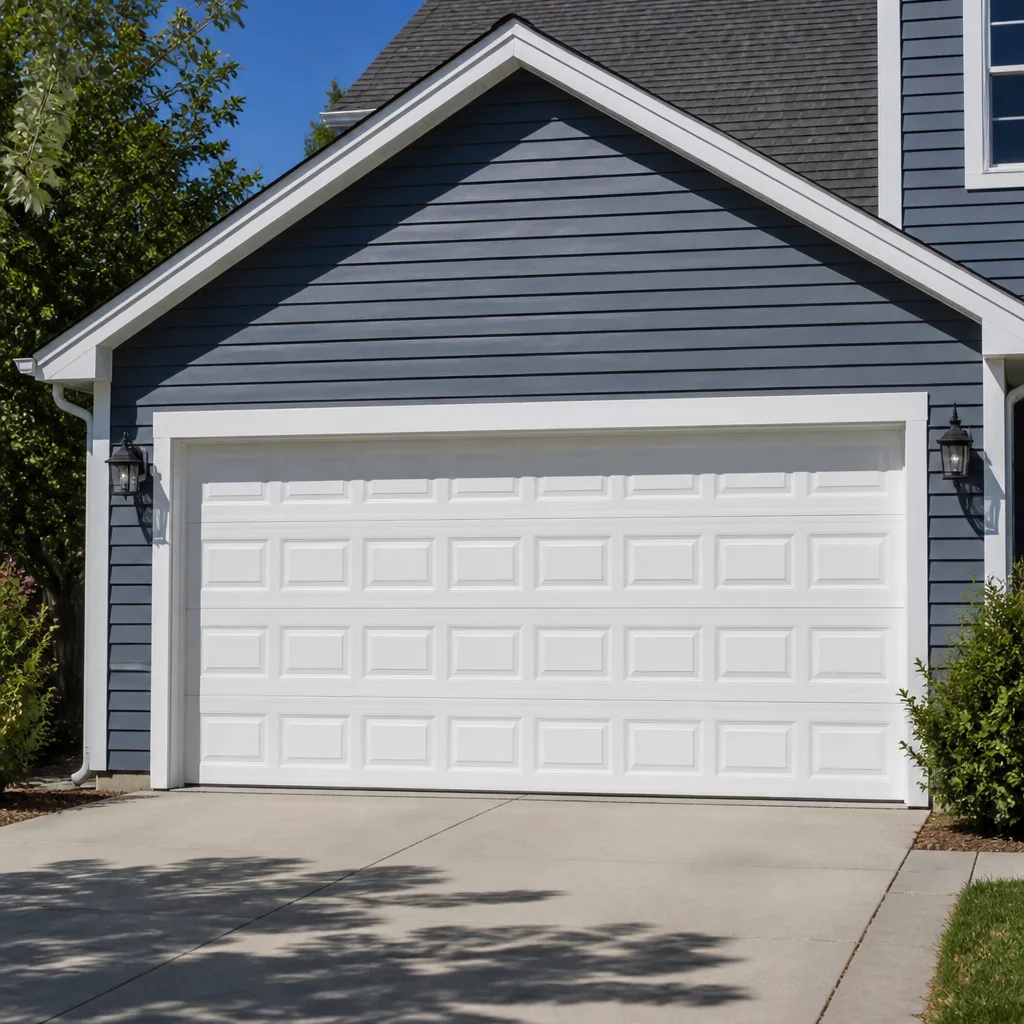 Raised-panel steel
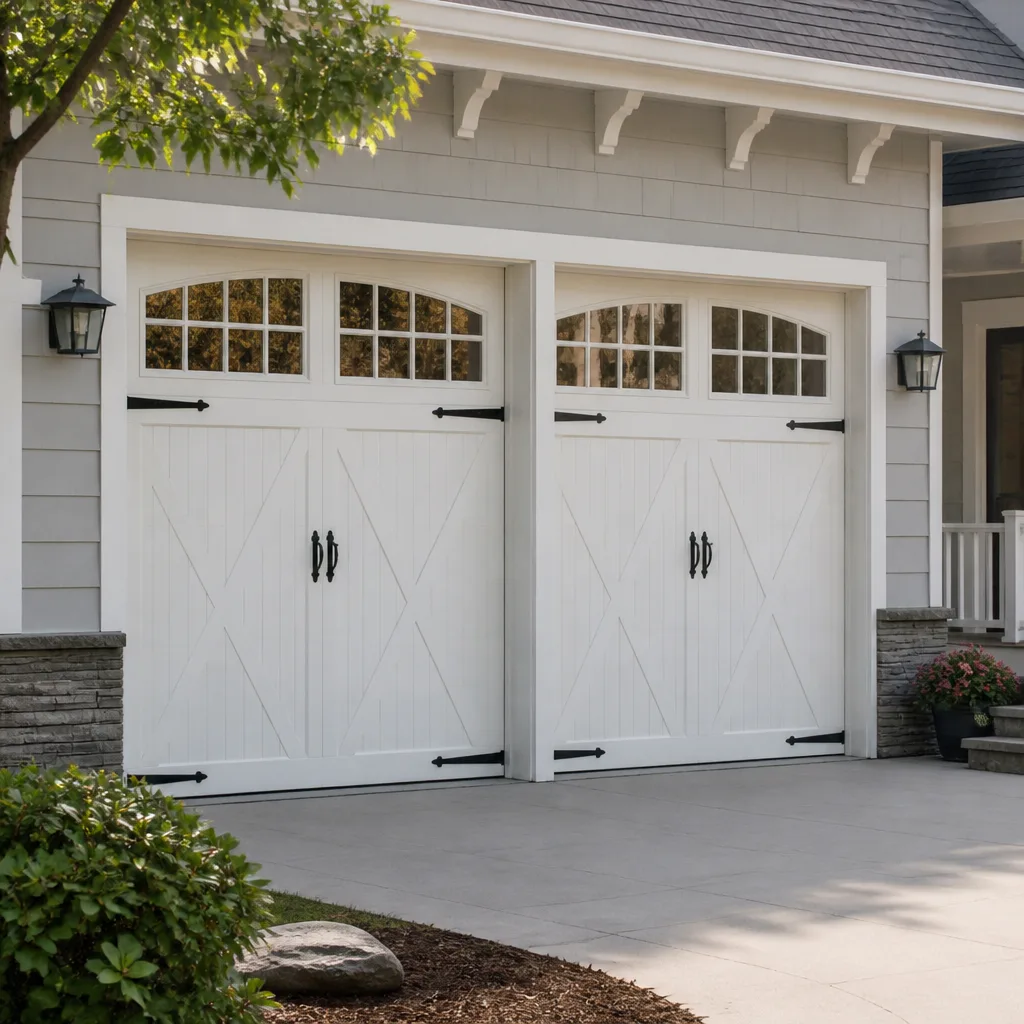 Carriage house
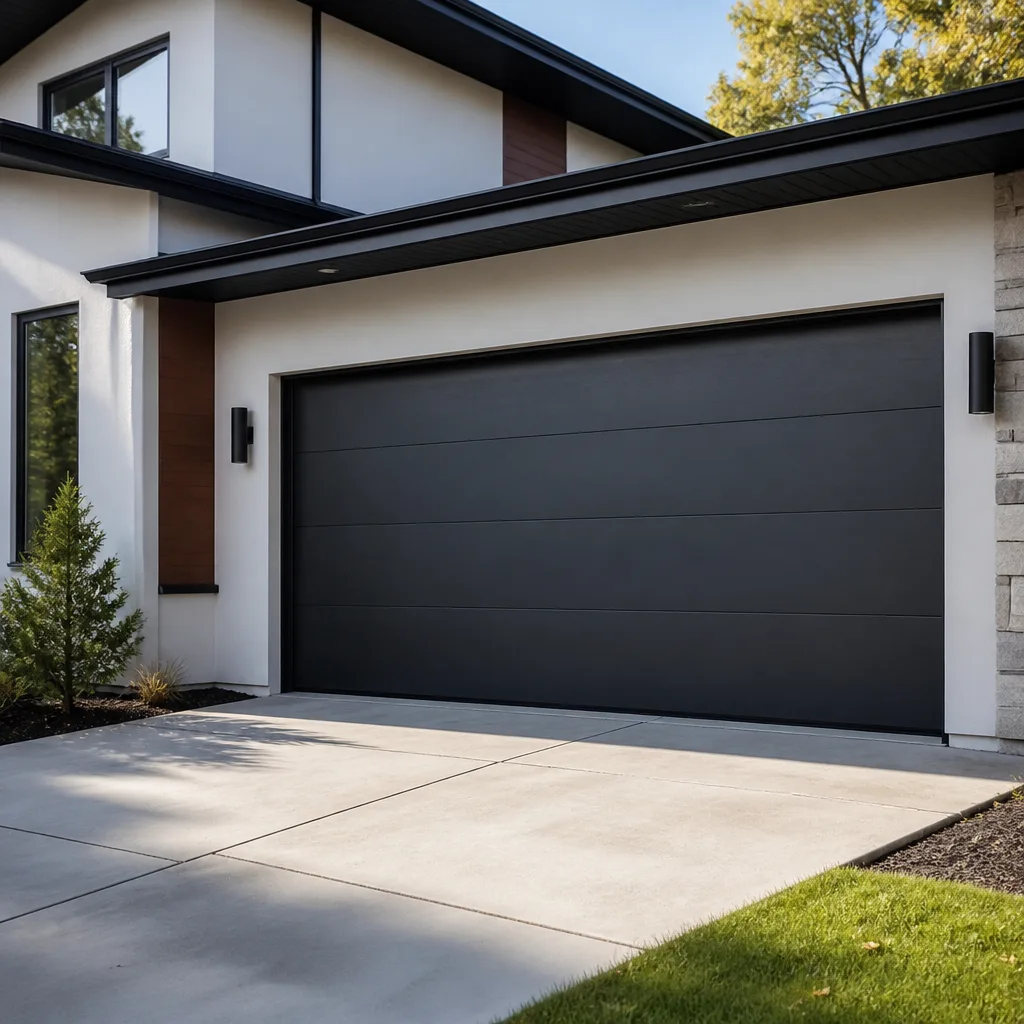 Modern flush
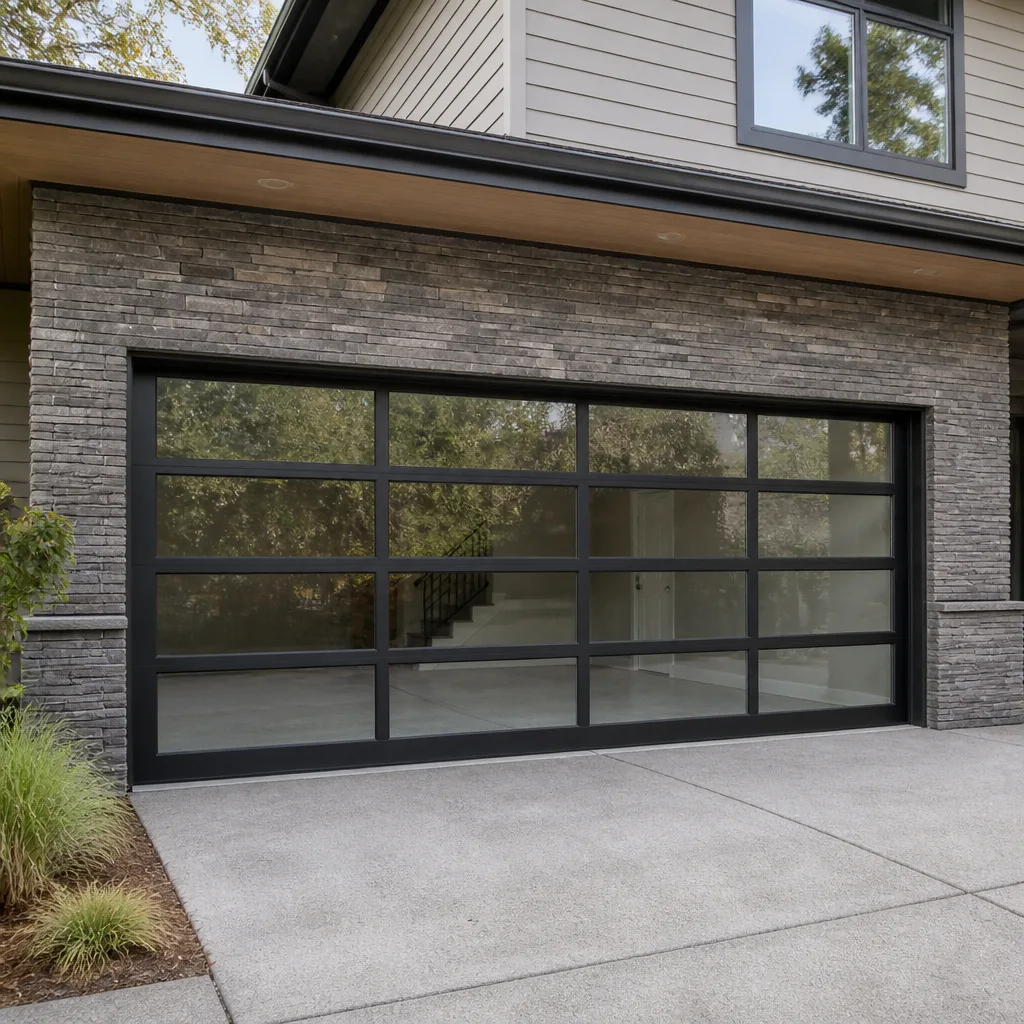 Full-view glass
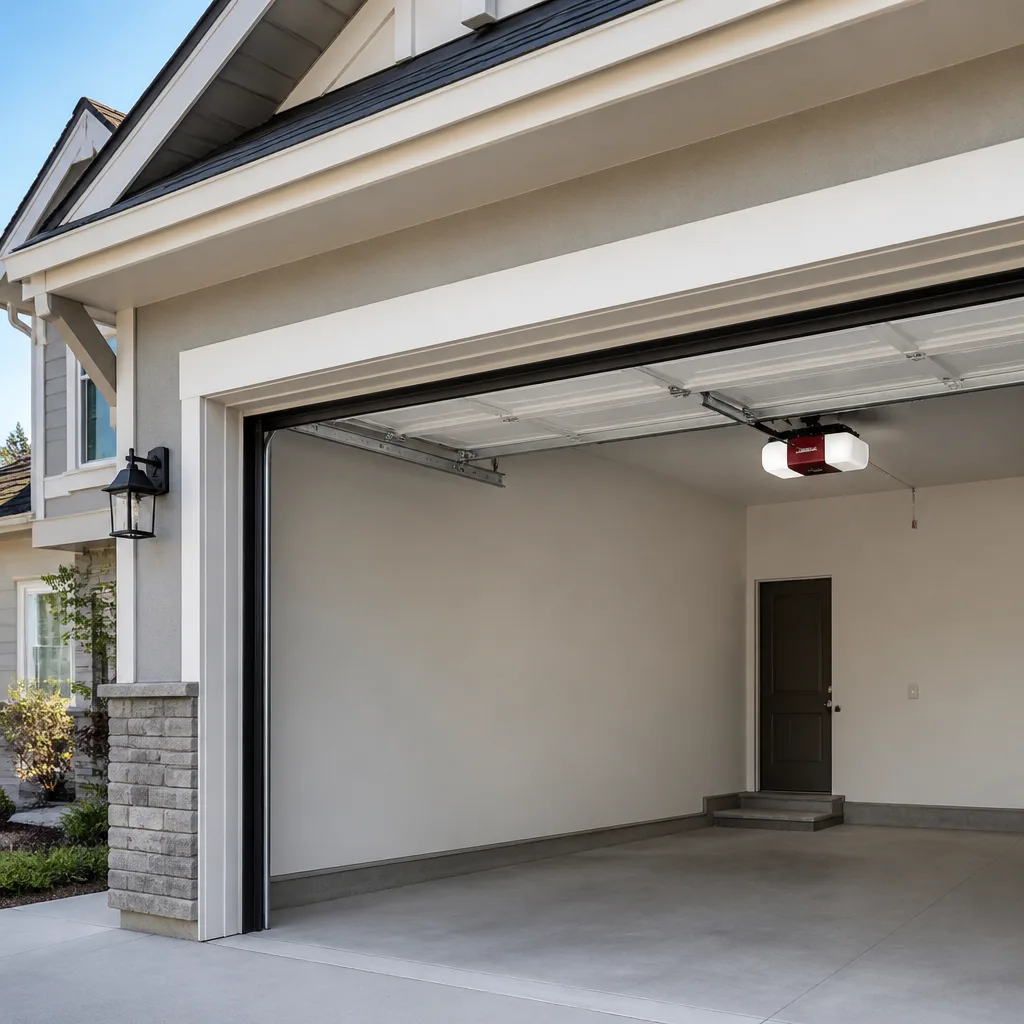 LiftMaster openers
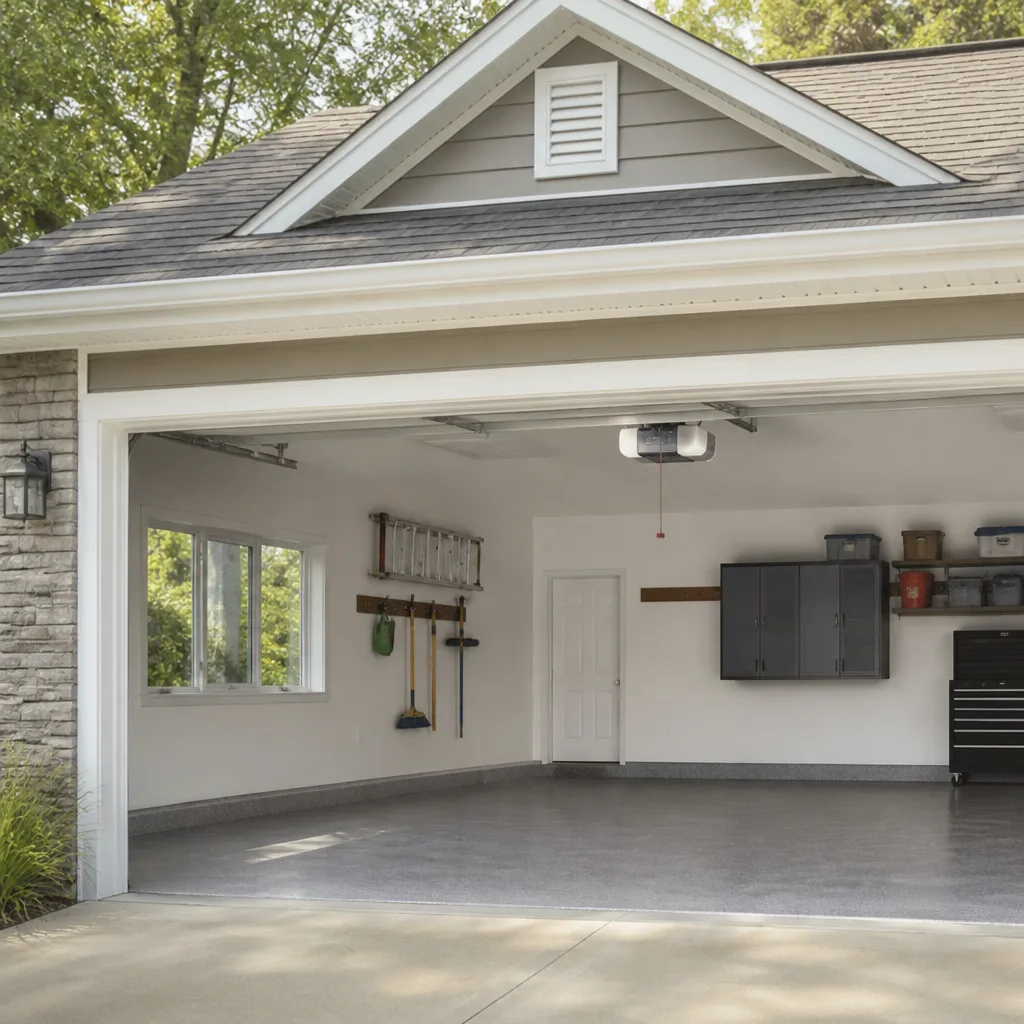 Chamberlain openers
Full 25-point door and opener safety check with every visit - springs, cables, rollers, tracks, and your LiftMaster or Chamberlain opener included
You get a price before we start. It does not change when the pro arrives.
Get your free estimateGarage Door Emergency Preparedness Guide for Goodyear Homes
When a garage door spring snaps at 7 AM and your car is inside, most homeowners’ first move makes the situation worse. They grab the door and try to force it up by hand without disengaging the opener first, and that one skipped step is what derails the trolley and turns a repair into a rescue. The door doesn’t care that you’re in a hurry. The hardware has an order of operations, and it rewards people who know it before they need it. This guide walks through what a Goodyear garage door emergency actually looks like, from a monsoon-driven impact to a summer power outage that leaves a heavy door sitting on a thermally locked motor. You’ll learn the correct release sequence, the first-ten-minutes rules after a spring failure, and how to build a one-page emergency card for your own opener.
Quick Answer
Most garage door emergencies in Goodyear come down to three situations: a spring or cable failure that traps the door, a power outage that strands the opener motor, and a monsoon-blown object that knocks a door off its track or stops it from closing. In every case, the first move is to stop forcing the door, disengage the opener using the release cord, and secure the opening until a technician arrives. If the door won’t close, don’t leave it hanging; prop, block, or manually lower it safely and call (844) 834-1797. We answer 24/7 for the phone line, with fast dispatch from 7am to 7pm, Sunday through Friday.
Styles & brands we work with
- Raised-panel steel
- Carriage house
- Modern flush
- Full-view glass
- LiftMaster openers
- Chamberlain openers
Table of Contents
- The Emergency Release Cord: How to Use It Without Derailing the Trolley
- First 10 Minutes After a Torsion Spring Failure
- Monsoon Season: When a Haboob-Driven Object Impacts Your Door
- Summer Power Outages and a Thermally Locked Opener
- Building a One-Page Emergency Card for Your Garage
- What to Check Before You Call for Help
- What Emergency Repairs Typically Cost in Goodyear
The Emergency Release Cord: How to Use It Without Derailing the Trolley
Every sectional garage door with an automatic opener has a manual release, usually a red-handled cord hanging from the trolley that rides along the rail. Pulling it detaches the door from the opener so you can move the door by hand. Pulling it correctly takes about ten seconds. Pulling it wrong, especially while the opener is running or the door is under load, is the mistake that jams the trolley carriage in a position where it won’t re-latch, and now you can’t use the opener even after the power comes back.
Here’s the sequence to follow in Goodyear when your opener has failed and you need to get a car out:
- Stop pressing the wall button or remote. Let the opener sit idle for at least a few seconds so the motor and carriage are at rest, not mid-travel.
- Find the release cord. On LiftMaster and Chamberlain openers it’s the red-handled rope hanging from the trolley; on older Craftsman and Genie units it’s often a shorter cord with a T-handle.
- Stand clear of the door’s path and pull straight down and slightly toward the door, firmly and once. Don’t yank it at an angle.
- Lift the door by hand slowly. A properly balanced door should move with steady, even resistance. If it feels extremely heavy or slams down when you let go, stop; the spring is broken or the door is unbalanced, and you should not fight it.
- Prop the door open only if you can do so safely, and get a technician out before you try to re-engage the opener.
The specific mistake we see most often: pulling the release while the opener is still trying to run, or pulling it with the door partly up and the trolley under tension. Either one can leave the carriage stuck off its engagement point, and on some models the only fix is a service call. If you’re ever unsure, leave the door alone and call us. Our technicians work on the full range of release mechanisms across the eight major brands we service, including LiftMaster, Chamberlain, Genie, Clopay, Amarr, Wayne Dalton, Craftsman, and Raynor. For a closer look at how we handle these calls across the city, see our garage door repair page.
First 10 Minutes After a Torsion Spring Failure
A torsion spring failure announces itself with a sharp bang that sounds like a gunshot inside the garage. The door drops or hangs crooked, the opener may run but the door won’t move, and there’s a visible gap where the spring used to be wound around the shaft above the door. What you do in the ten minutes after that bang decides whether you’re looking at a straightforward spring replacement or a snapped cable and a bent track on top of it.
What to do:
- Stop using the opener immediately. Pressing the button or remote again puts load on a door with no spring support and can snap a cable.
- Clear the area under the door. Keep kids and pets out of the garage until a technician has looked at it.
- Don’t try to lift the door by hand. A door with a broken torsion spring can weigh far more than you expect, and a sudden drop is a real injury risk.
- If a car is trapped inside and you truly must get it out, use the release cord only after the opener is fully at rest, lift slowly, and have someone spot you. If it won’t lift with reasonable effort, stop.
- Note the door’s make and model if you can see it, so the technician knows what parts to bring.
What not to do:
- Don’t try to wind, unwind, or “help” the torsion spring or cable yourself. Torsion springs are under extreme tension even when the door is down, and the cables are the second point of stored energy. This is one of the genuinely dangerous parts of the trade, and it belongs to a trained technician.
- Don’t cut or loosen the cable to “release” the door. That’s how a bad situation becomes a dangerous one.
- Don’t keep cycling the opener to “see if it works now.” It won’t, and each cycle stresses the remaining cable.
Springs are usually replaced as a matched pair, since both carry the same load and one failing tells you the other is near the end of its life. A technician will confirm what your door needs. If the spring failure left your door stuck and you need it sorted, our Mariner Garage Door Repair team handles spring and cable work across Goodyear.
Monsoon Season: When a Haboob-Driven Object Impacts Your Door
Goodyear’s monsoon season runs through the summer, and it brings the kind of wind that turns loose patio furniture, branches, and trash cans into projectiles. When one of those hits a garage door, the damage is often invisible until you try to close it. A panel gets pushed slightly out of alignment, a roller jumps its track, and the door stops a foot off the ground. You’re left with a garage open to the neighborhood overnight, which is the part most people panic about.
What to do when a door won’t close after a storm impact:
- Look at the door from the inside. Check whether a panel is visibly bent, whether the door is off its track on either side, and whether anything is caught in the opening.
- Don’t force the door down. If a roller is off the track, forcing it can bend the panel or the track and turn a realignment into a replacement.
- If the door is stuck partway and you can’t safely close it, secure the opening. Pull a car up close to the door from inside if you have one, or block the opening from the inside with something solid. Don’t rely on a thin prop.
- Check the photo-eye sensors near the floor on each side. A knocked sensor or a bit of storm debris in front of it will stop a door from closing even when nothing is bent, and that’s a fix you can often clear yourself by wiping the lens and moving the obstruction.
- Call for a technician to realign the track and check the panels before you use the opener again.
The reason to get a trained eye on a storm-impacted door: a slightly bent panel or a roller sitting half out of its track will wear the rest of the hardware faster, and the door can drop or come off the track entirely on the next cycle. We work on Clopay, Amarr, Wayne Dalton, and Raynor doors among the eight brands we service, so we can assess the specific panel and track system you have. If the damage is more than an alignment, our garage door repair team in Goodyear can tell you whether a panel replacement or a full door replacement makes more sense.
Summer Power Outages and a Thermally Locked Opener
Goodyear summers push garage temperatures well past 100 degrees, and a garage that’s been baking all day can leave an opener motor hot enough to trip its thermal cutout. That safety feature protects the motor, but it also means the door won’t respond to the remote even though the power is fine. Combine that with a neighborhood outage, and you’ve got a door that won’t move and a car you need out.
How to handle it safely:
- First, confirm what kind of failure you’re dealing with. Is the rest of the house without power, or is it just the opener? If the house is fine, the opener is the likely culprit – either thermally tripped or something else.
- If the motor is hot to the touch, leave it alone. Don’t spray it, don’t drape a wet towel on it, and don’t keep pressing the remote. Give it time to cool with the garage door open for airflow if you can do it safely.
- If you need the car out, use the release cord with the opener at rest, as described above. Lift slowly. A door on a dead opener still has working springs, so it should move with even resistance.
- If your opener has a battery backup (common on newer LiftMaster and Chamberlain units with myQ), check the backup status. Some will still cycle the door a limited number of times on battery, which is often enough to get a car out and the door closed.
- Don’t repeatedly try the remote on a thermally tripped motor. Every attempt restarts the heat cycle.
If the opener keeps tripping its thermal cutout, that’s a sign the motor, the logic board, or the drive gear has a problem worth diagnosing properly. We handle garage door opener repair on both legacy systems like Craftsman and Genie and smart-home-integrated openers like LiftMaster and Chamberlain myQ, and we can usually tell you what’s going on with a single visit. If you’d rather understand the opener side of the equation in more depth, our opener repair page walks through the common failure points.
Building a One-Page Emergency Card for Your Garage
The single most useful thing you can do before an emergency is to make a one-page card about your own garage door and stick it inside the garage near the wall button. It takes fifteen minutes and it means that when something fails, you or anyone in your household can read the steps instead of guessing.
Build the card with these fields:
- Door make and model, and opener make and model. Look inside the opener housing, on the back of the motor unit, or on a sticker on the door. Note whether it’s a LiftMaster, Chamberlain, Genie, Craftsman, Raynor, or another brand. This is the first thing a technician will ask.
- Release cord location. Describe exactly where it hangs. “Red-handled cord from the trolley on the ceiling rail, about six feet from the door” is better than “on the opener.”
- Battery backup status. Write down whether your opener has battery backup and where the battery is. If it does, note when you last checked it.
- Photo-eye location and what normal looks like. A small sketch of the two sensors and their alignment helps when you’re trying to figure out why the door won’t close.
- Emergency contact. Write our number on it: (844) 834-1797. We answer 24/7, with fast dispatch from 7am to 7pm, Sunday through Friday.
- Two or three household instructions. Something like “don’t force the door,” “don’t try to fix the spring,” and “call before cycling the opener again.”
Keep the card laminated or in a plastic sleeve; a Goodyear garage in summer is not kind to paper. Post a second copy inside the house by the garage entry door. If you want the process handled by someone who sees these systems every day, our Goodyear team can go over your door and opener with you and note the details on a service visit.
What to Check Before You Call for Help
Before you pick up the phone, a quick two-minute check can tell you whether you’re dealing with something you can clear yourself or a genuine repair. This is the checklist we walk Goodyear homeowners through on the phone.
- Is the door off the track? Look along both vertical and horizontal tracks. A roller out of its track means the door should not be cycled until it’s realigned.
- Are the photo-eye sensors blocked or misaligned? Wipe the lenses, clear the path, and check that the two sensors face each other squarely. A door that opens but won’t close is often just this.
- Is the wall button or remote the problem? Try the wall button and the remote separately. If one works and the other doesn’t, the opener is fine.
- Is the opener tripping a breaker? If a dedicated circuit breaker for the garage trips when the opener runs, that’s an electrical issue, not a door issue, and it’s worth a licensed electrician’s look.
- Is the spring broken? Look above the door along the torsion shaft. A visible gap or a loose spring coil is a broken spring, and that’s a call to us.
- Is the door balanced? Disengage the opener and lift the door halfway. A balanced door stays roughly in place. One that drops is a spring or balance problem.
If you’ve checked all of these and the door still won’t work, that’s the point to call. Same-day service is available for repair calls across Goodyear, and the price is quoted and agreed before any work starts, so you know what you’re paying before we touch the door.
What Emergency Repairs Typically Cost in Goodyear
Costs vary with the door, the failure, and the parts your system needs, but here are typical estimated ranges for the most common Goodyear emergency repairs. These are estimates only; the written estimate sets the final price, and we quote it before any work starts.
- Torsion spring replacement (one spring): typical estimated range $180 to $340. A matched pair is usually replaced together, so a pair costs about twice that.
- Broken cable replacement: typical estimated range $150 to $300, often bundled with spring work.
- Off-track door realignment: typical estimated range $150 to $400, depending on whether a panel or roller needs replacement.
- Opener motor or logic board diagnosis and repair: typical estimated range $150 to $450, depending on the opener brand and part.
- Panel replacement after storm impact: varies widely by door make and model; a written estimate is the only way to know.
One thing worth stating directly: the price we quote after looking at your door is the price you pay for that job. If we find something additional that needs doing, we’ll tell you and get your agreement before we do it. No surprise totals. If you want an exact quote for your door, call (844) 834-1797. Estimates are free.
Common Mistakes to Avoid
- Pulling the emergency release while the opener is running. Pulling it mid-travel is the most common way to jam the trolley carriage in a spot where it won’t re-latch. Let the opener rest first.
- Forcing a door with a broken spring. A door with no spring support is far heavier than it looks, and a sudden drop is a real injury risk. Don’t lift it if it resists.
- Trying to fix a torsion spring or cable yourself. These parts are under high tension even with the door down. This is a job for a trained technician, full stop.
- Leaving a door open overnight after a storm impact. If the door won’t close, secure the opening from the inside and get a repair scheduled rather than leaving the garage exposed.
- Cycling the opener over and over to “test” it. Every cycle on a thermally tripped motor or a misaligned door adds wear and can turn a small fix into a bigger one.
- Ignoring a bent panel after a wind impact. A small bend wears the rollers and track faster and can lead to the door coming off the track on the next cycle.
- Not knowing your opener brand before you call. A quick look at the motor housing gets the technician the right parts faster; on a LiftMaster or Chamberlain with battery backup, that also helps us know whether the door can still cycle during an outage.
See the difference
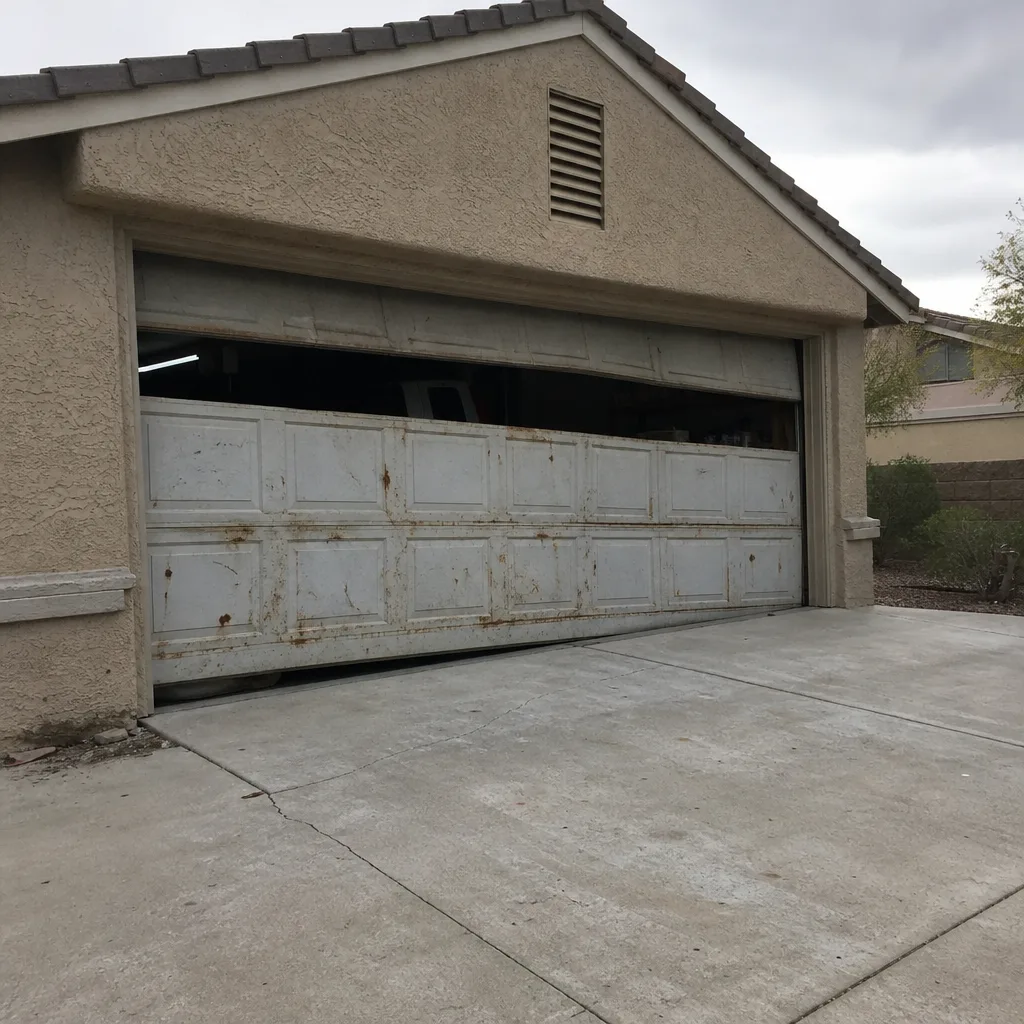 Before
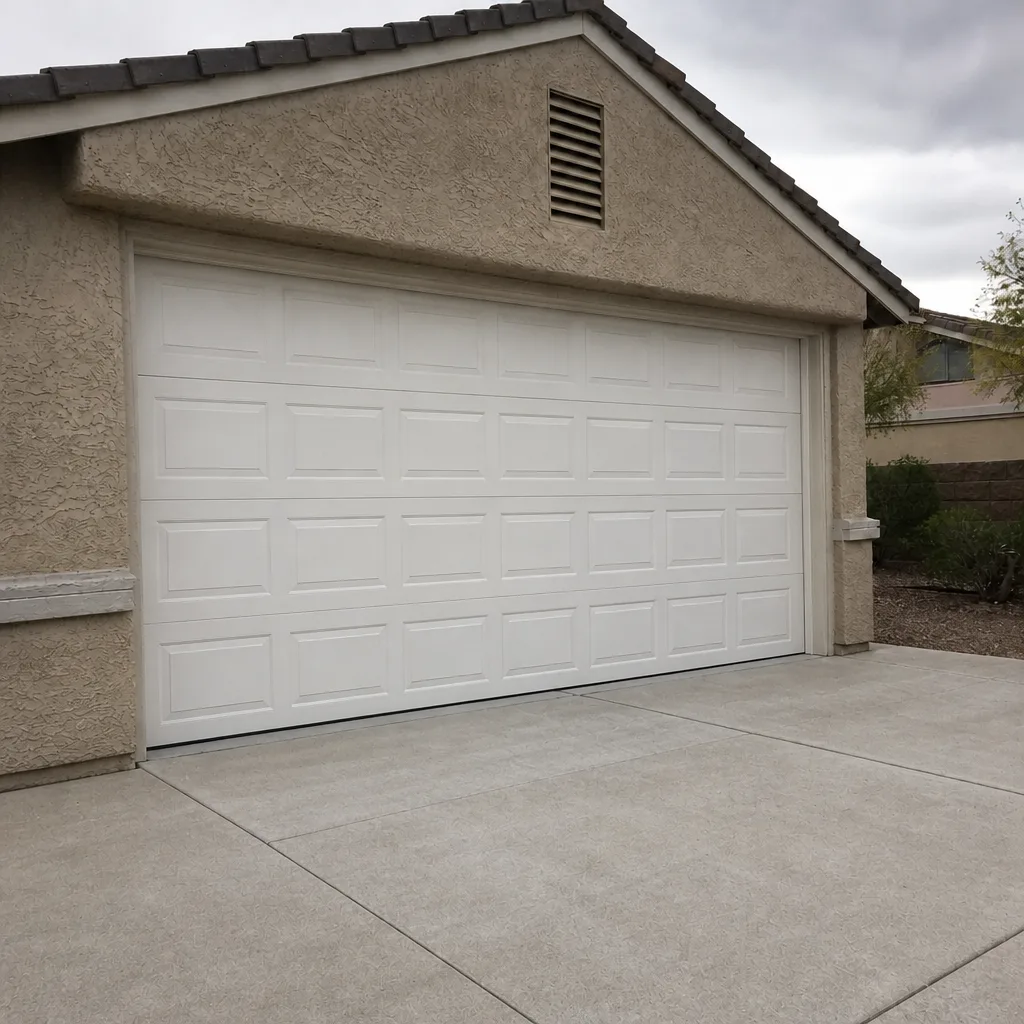 After
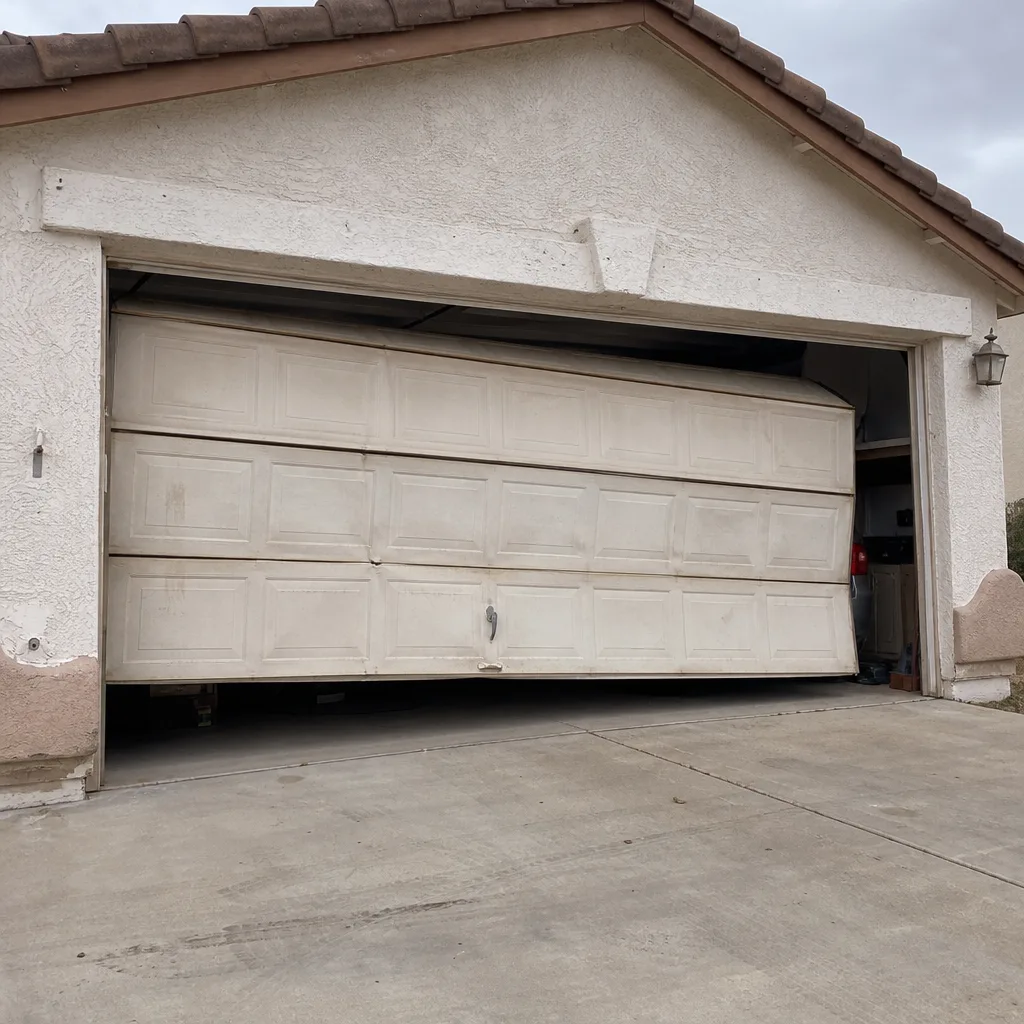 Before
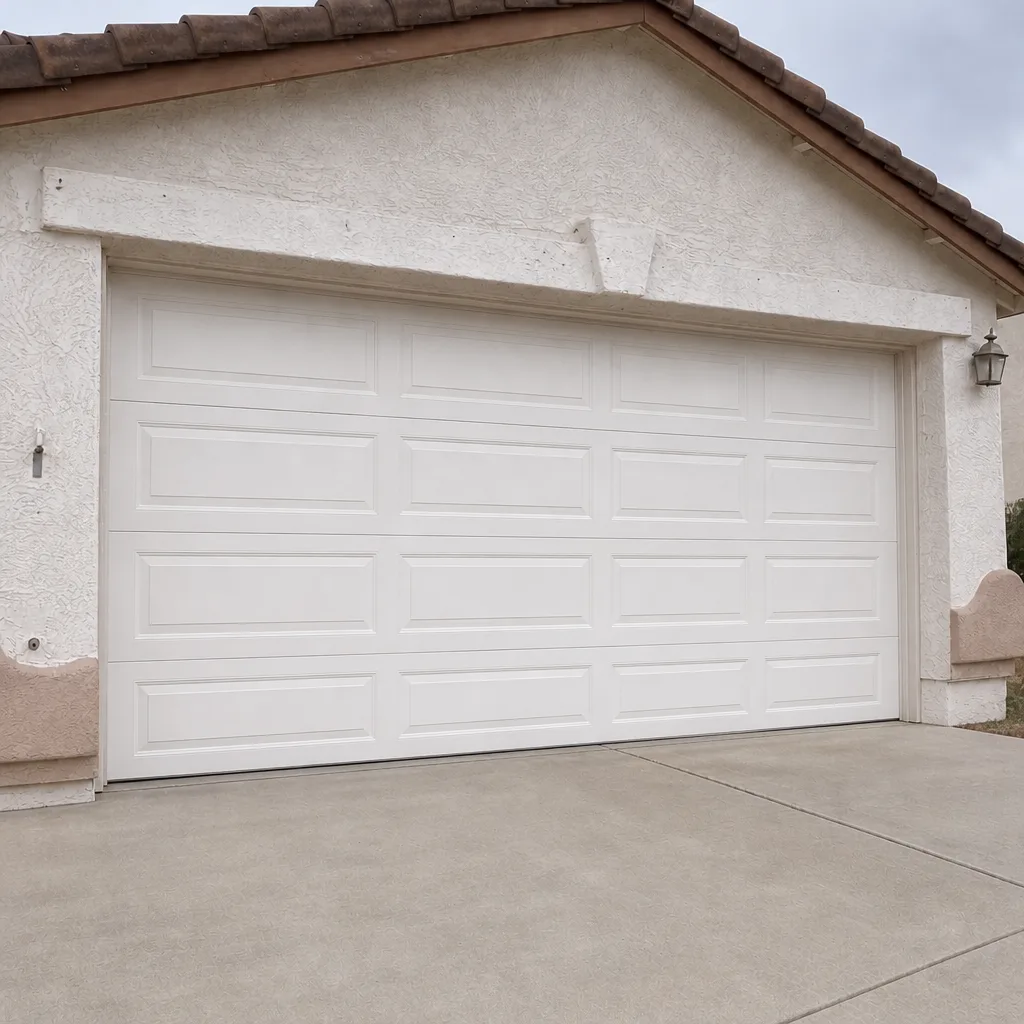 After
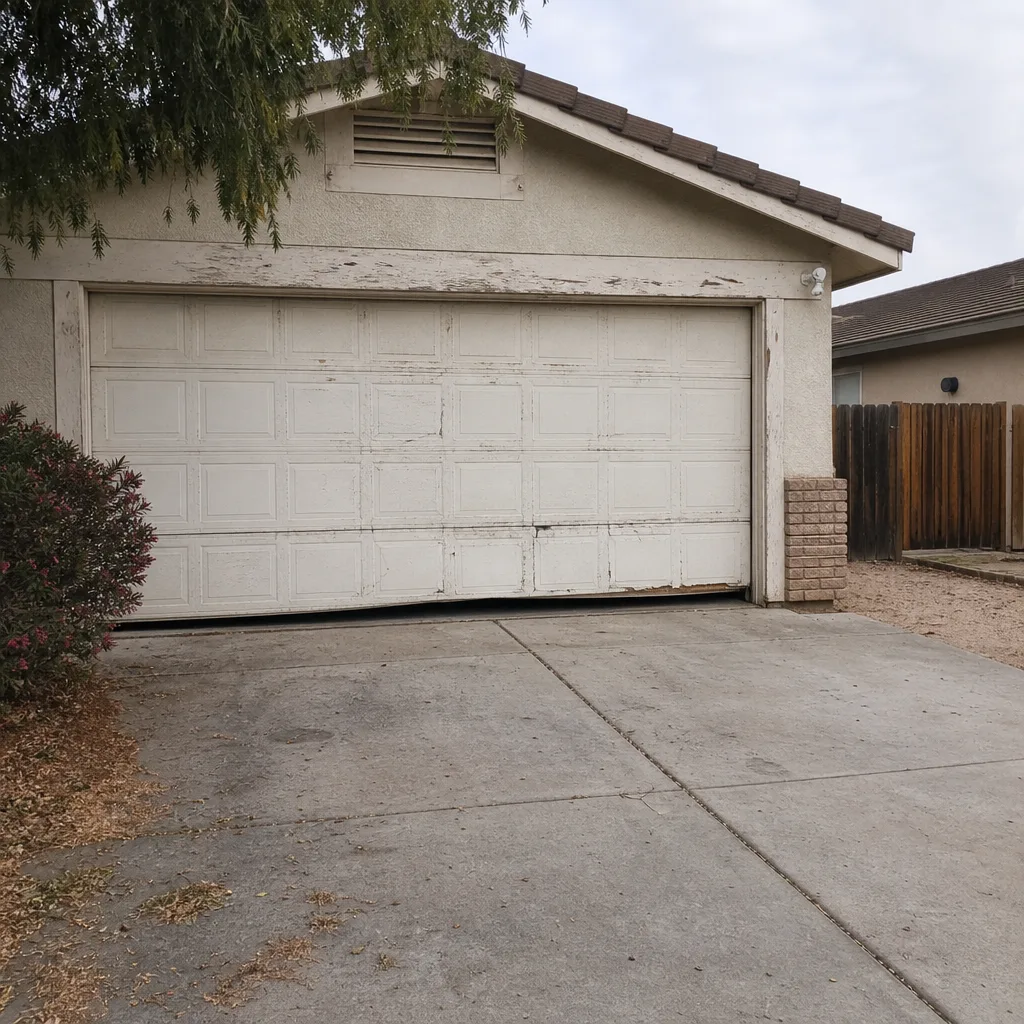 Before
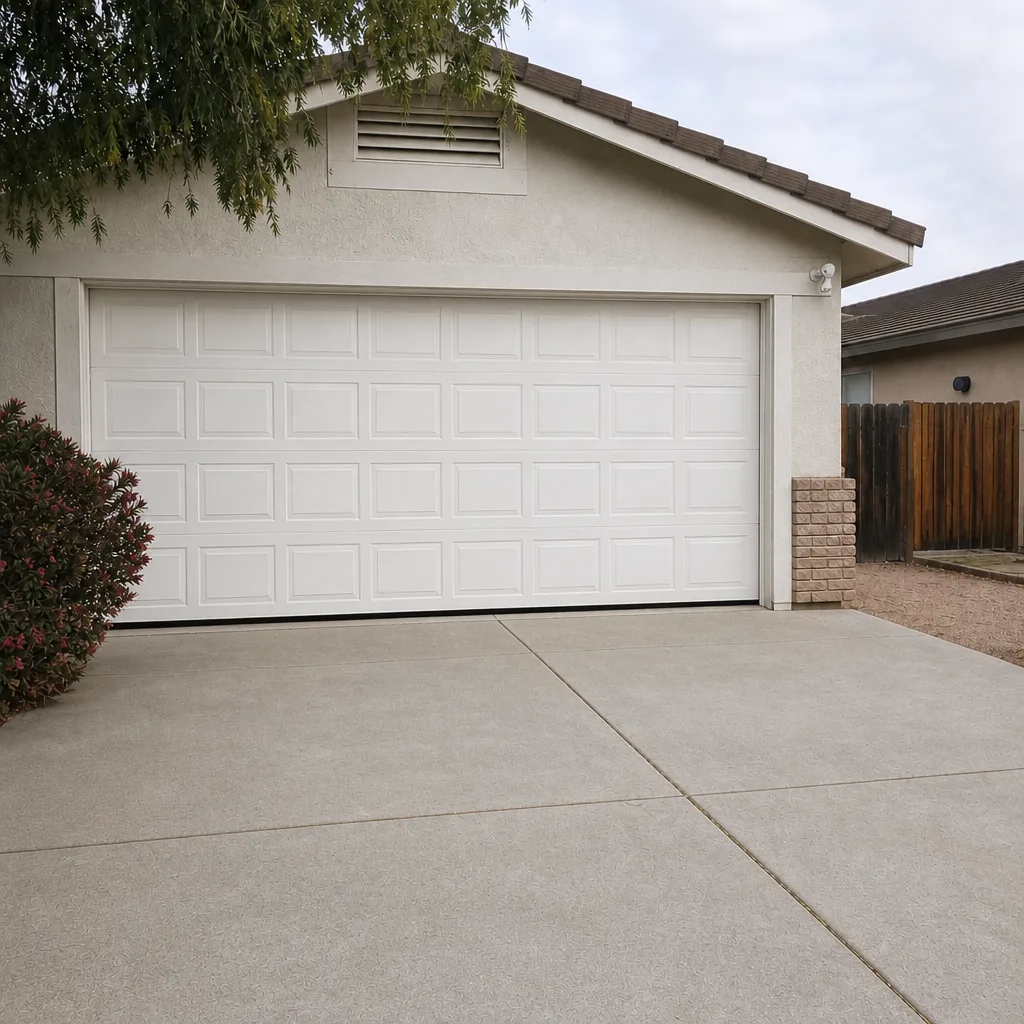 After
When to Call a Professional
Call a professional for anything involving a torsion spring, a snapped cable, a door that’s come off its track, or an opener that keeps tripping its thermal cutout or breaker. These aren’t jobs where a good YouTube video substitutes for training; the stored energy in springs and cables is exactly what makes them dangerous. Also call if a storm-impacted door won’t close, if a door drops or hangs crooked, or if you can hear the opener running but the door doesn’t move. In each case, describe what you see and we’ll tell you whether it’s a repair call or something you can safely clear. Mariner Garage Door Repair offers free estimates in Goodyear. Call (844) 834-1797. We answer 24/7. Fast dispatch from 7am to 7pm, Sunday through Friday. Same-day service is available for repair calls, and if a door fails on a Saturday, call us and we’ll book you for Sunday.
Frequently Asked Questions
Yes, if you pull the emergency release cord with the opener fully at rest and lift slowly. Pulling it while the opener is running or the door is mid-travel is the mistake that jams the trolley. If the door feels extremely heavy when you lift it, stop and call us; that’s a sign of a broken spring or an unbalanced door, and it’s not a manual-lift situation.
A typical estimated range for one torsion spring is $180 to $340, and a matched pair usually costs about twice that because both are normally replaced together. The written estimate sets the final price, and we quote and agree it before any work starts. Call (844) 834-1797 for an exact quote; estimates are free.
Same-day service is available for repair calls in Goodyear, and we’ll tell you on the phone whether we can get to you today or need to schedule. We answer 24/7, with fast dispatch from 7am to 7pm, Sunday through Friday. If a call comes outside dispatch hours, it’s booked into the next opening. Call (844) 834-1797 and describe what the door is doing.
Don’t force the door down, and don’t cycle the opener. If the door is stuck partway and you can’t safely close it, secure the opening from the inside and get a repair scheduled. Check the photo-eye sensors first, since debris in front of them will stop a door from closing even when nothing is bent. Then call us at (844) 834-1797.
We’re closed Saturday. We’re open Sunday through Friday, 7am to 7pm, and we answer the phone 24/7. If a door fails on a Saturday, call us and we’ll book you for Sunday. Call (844) 834-1797.
No. The estimate we give after looking at your door is the price for that job. If we find something else that needs doing, we’ll explain it and get your agreement before we do the work, so there are no surprise totals. Call (844) 834-1797 to set up a free estimate.
The Bottom Line
Garage door emergencies in Goodyear are rarely about bad luck; they’re about not knowing the order of operations before something fails. Stop forcing the door, let the opener rest before you pull the release cord, don’t touch a torsion spring or cable, and secure the opening if the door won’t close. Build a one-page emergency card with your door and opener make, the release cord location, the battery backup status, and our number, and stick it in the garage. Every emergency you handle calmly is a repair that stays simple. When you need help, call (844) 834-1797 for a free estimate. We answer 24/7, with fast dispatch from 7am to 7pm, Sunday through Friday. Our technicians have up to 11 years of experience, and we service the eight major brands, from LiftMaster and Chamberlain to Genie, Clopay, Amarr, Wayne Dalton, Craftsman, and Raynor, so we’re set up for whatever’s in your garage.
Written by the team at Mariner Garage Door Repair.