
Last updated November 15, 2026
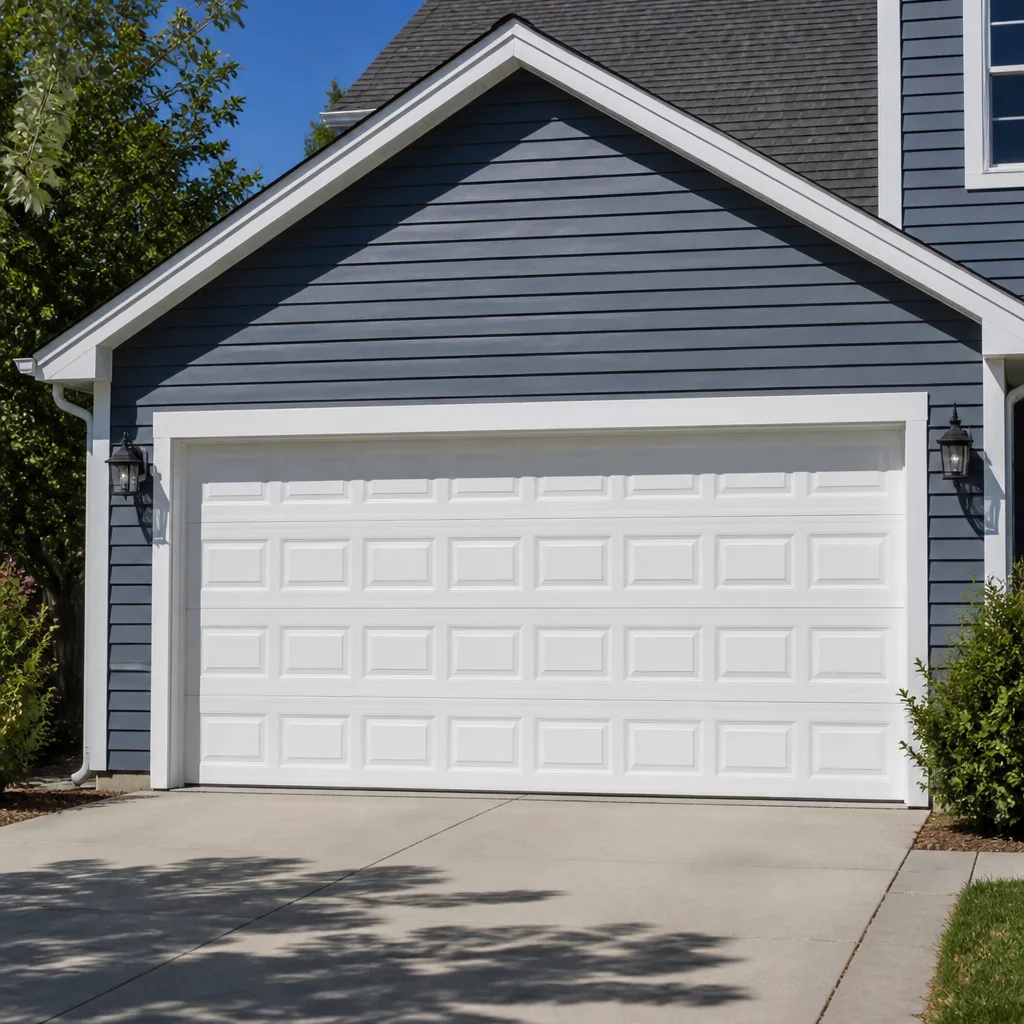 Raised-panel steel
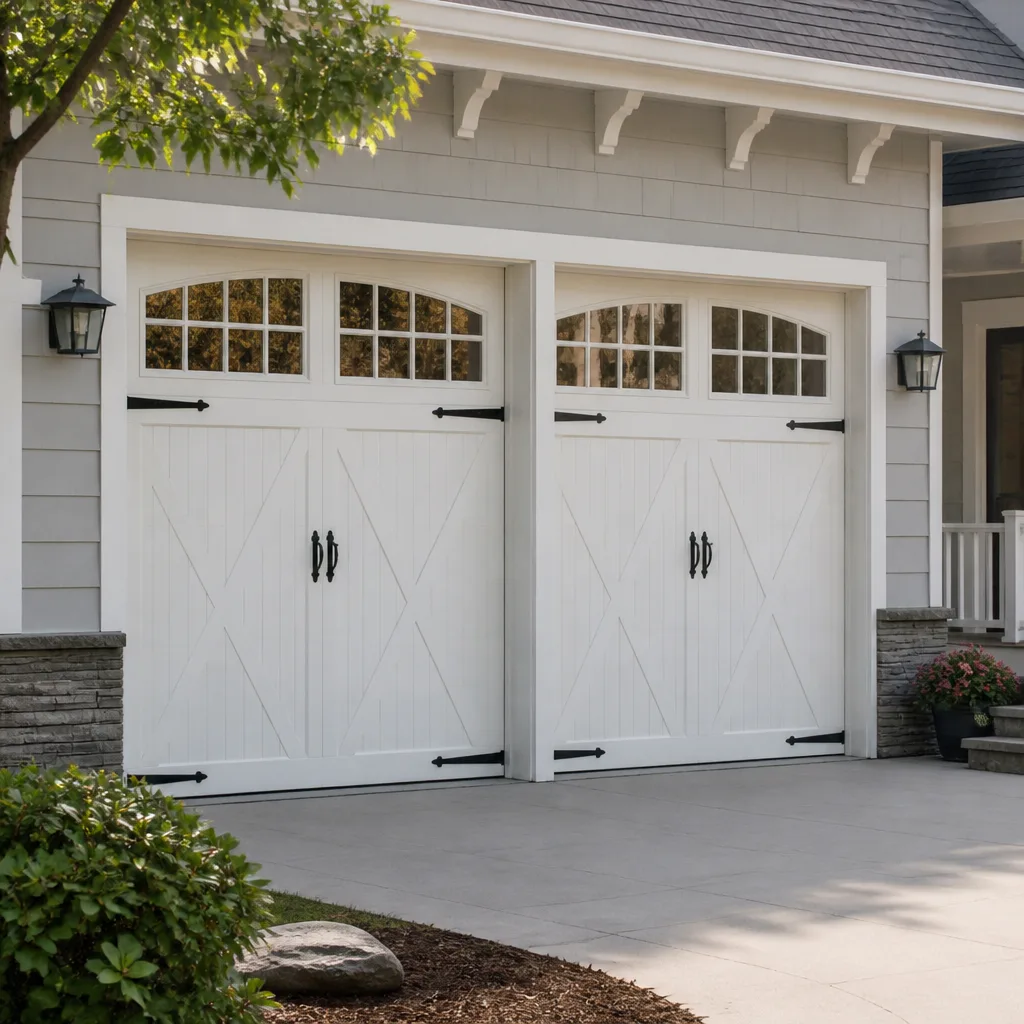 Carriage house
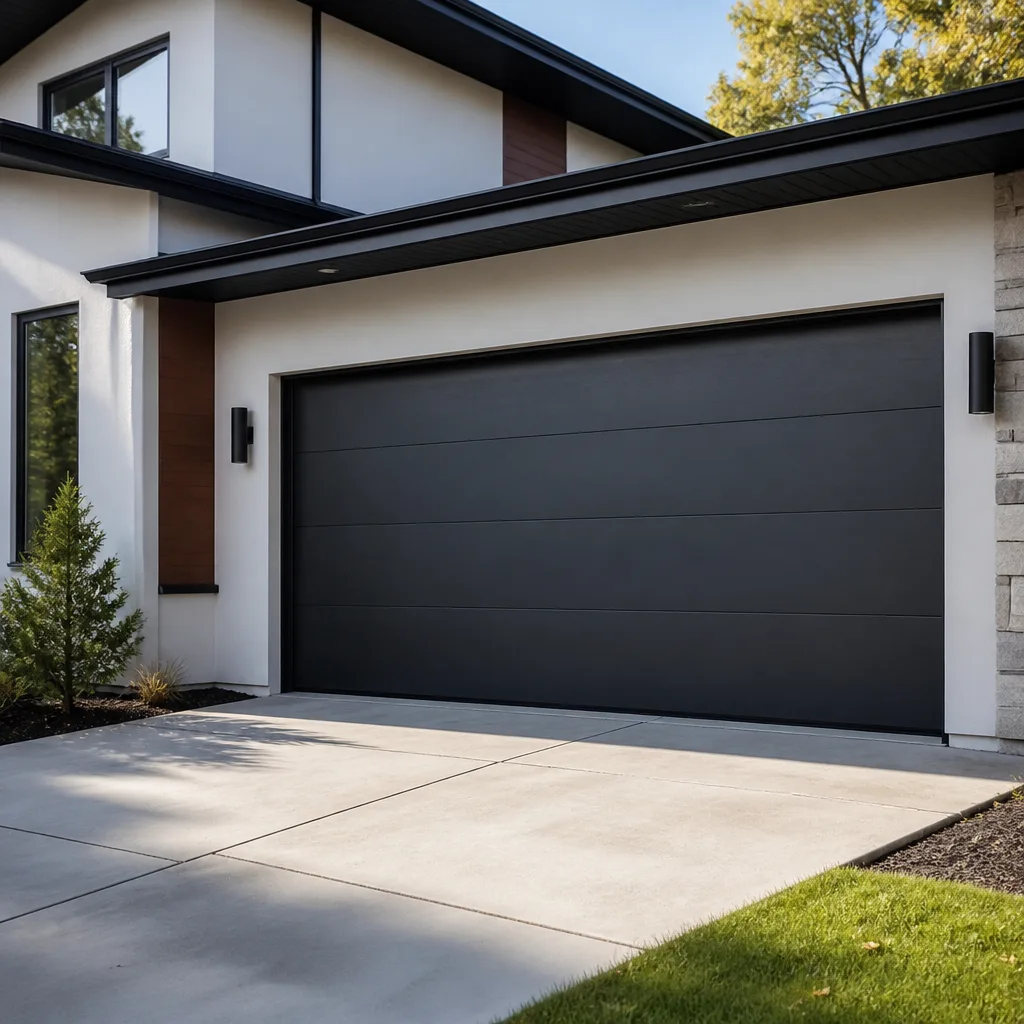 Modern flush
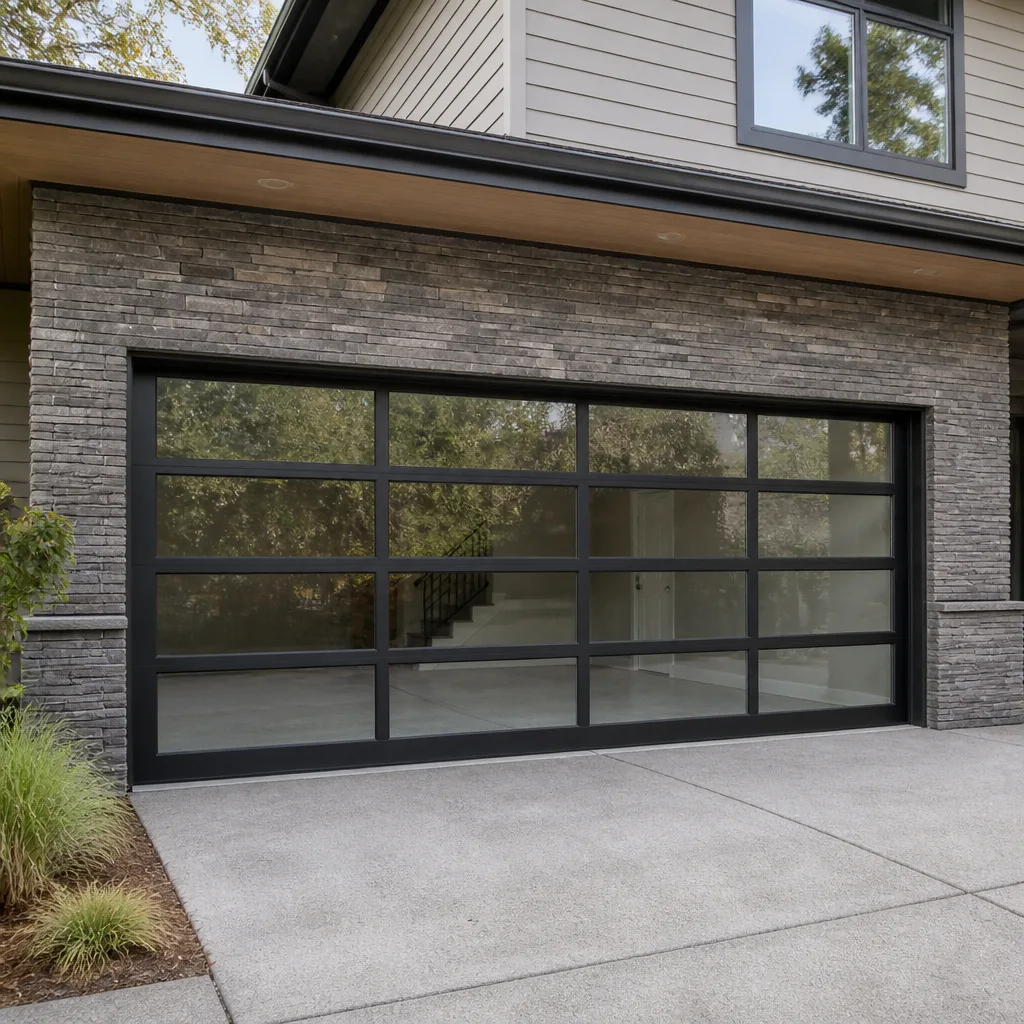 Full-view glass
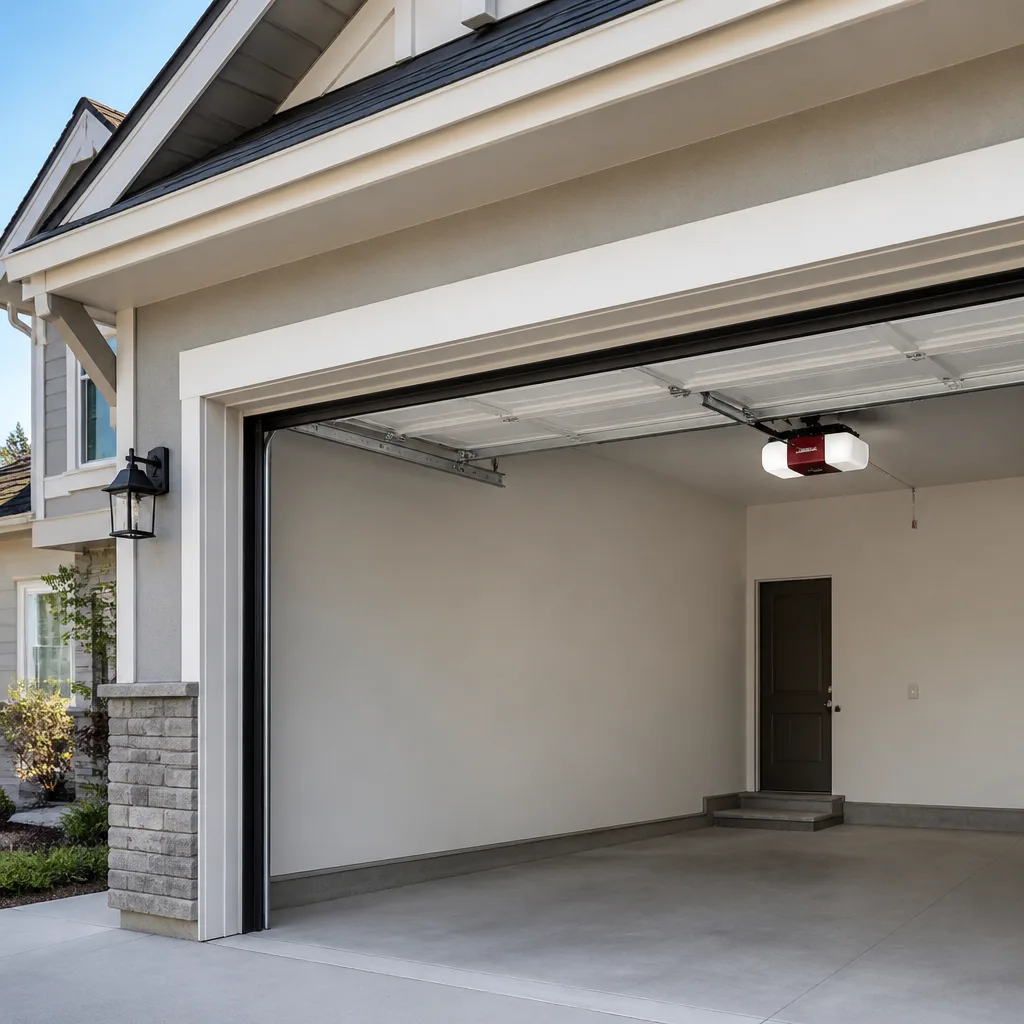 LiftMaster openers
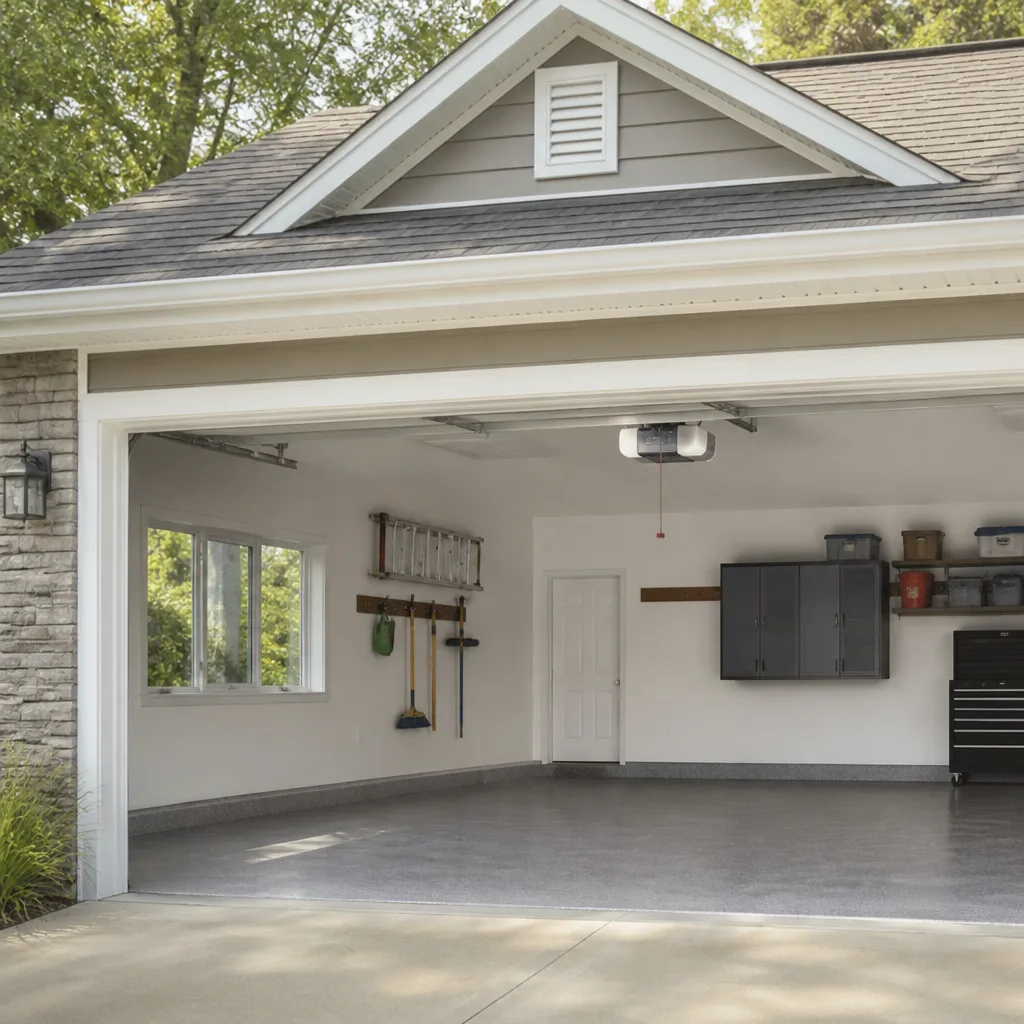 Chamberlain openers
Full 25-point door and opener safety check with every visit - springs, cables, rollers, tracks, and your LiftMaster or Chamberlain opener included
You get a price before we start. It does not change when the pro arrives.
Get your free estimateGarage Door Repair Troubleshooting in Goodyear: Common Problems and How to Fix Them
Most garage door problems in Goodyear look like one thing and turn out to be another. A door that reverses halfway down gets blamed on the opener, when the real culprit is a dust-clogged photo-eye. A door that shudders and drags gets blamed on a failing motor, when the summer heat has pushed the metal track out of alignment. The garage door itself is the suspect. We’ve seen this pattern enough times to know that the part you’re ready to replace is often not the part that’s broken.
This guide is built around symptom clusters rather than part names, so you can figure out what’s actually going wrong before you touch a tool. You’ll learn the four root causes behind most Goodyear garage door failures, which fixes are safe to try, which ones to leave alone, and how to document the problem so a technician starts diagnosing the moment they arrive.
Quick Answer
Most garage door problems in Goodyear come down to four causes: heat expansion warping track alignment, dust and caliche grit fouling sensors, spring fatigue from heavy daily cycles, and sensor drift from vibration or misalignment. Diagnose by symptom first – slow descent, partial open, or opener running without door movement – because each one points to a different root cause. Safe DIY fixes include lubrication and sensor cleaning; spring, cable, and torsion work should always go to a trained technician.
Styles & brands we work with
- Raised-panel steel
- Carriage house
- Modern flush
- Full-view glass
- LiftMaster openers
- Chamberlain openers
Table of Contents
- The Four Root Causes Behind Most Goodyear Garage Door Problems
- How Goodyear Heat Warps Track Alignment and Mimics Opener Failure
- Dust, Caliche Grit, and the Phantom Reversal Problem
- Diagnosing by Symptom Cluster: What Each Behavior Tells You
- Which Fixes Are Safe to Do Yourself and Which Ones Aren’t
- How to Document the Problem Before You Call
- Spring Fatigue and Torsion Problems: What Homeowners Should Know
- When to Call a Professional
The Four Root Causes Behind Most Goodyear Garage Door Problems
In our experience working across Goodyear neighborhoods like Estrella, Palm Valley, and Canyon Trails, the same four failure patterns account for the majority of repair calls. Understanding them helps you narrow down what’s actually happening before a technician arrives – and it helps you avoid paying to replace the wrong part.
Heat expansion. Goodyear summers push uninsulated garages well past 100°F, and the metal track, hinges, and rollers expand at slightly different rates. That’s enough to throw a track a fraction out of true, which drags on the door and strains the opener. It’s one of the most common sources of what looks like opener failure but isn’t.
Dust and caliche grit infiltration. West Valley air carries fine dust that settles into roller bearings, track channels, and the small optical windows on your safety sensors. Over a season, that grit builds into a film that causes binding, phantom reversals, and sluggish movement.
Spring fatigue. Springs are rated by cycle count, not calendar time, and a door that opens and closes several times a day wears them faster than one used twice. Fatigue shows up gradually – a door that gets heavier, slower, or louder over weeks – until the spring finally gives.
Sensor drift. The photo-eye sensors at the base of the track are sensitive to vibration and slight misalignment. A door that closes partway and reverses for no obvious reason is usually reporting a sensor problem, not a motor problem.
Knowing which of these four you’re dealing with changes the whole repair. A Genie or LiftMaster opener that “won’t close” is often a sensor fault, not a dead motor. A Clopay door that shudders is often a track alignment issue, not a worn spring. And an Amarr door that drags in July may open fine in January.
How Goodyear Heat Warps Track Alignment and Mimics Opener Failure
When summer heat pushes your garage interior toward 150°F, the metal track expands and the door panels can warp slightly. That misalignment creates drag on the door that the opener has to fight, which triggers the opener’s safety reverse or makes the motor work harder than it should. Homeowners reasonably conclude the opener is failing. Most of the time, it isn’t.
Mariner Garage Door Repair is a garage door specialist rather than a multi-trade company, so we see the difference between track and opener problems constantly. Here’s the 60-second check that tells them apart, and you don’t need tools to run it.
The 60-Second Track vs. Opener Check
- Pull the emergency release cord to disconnect the opener from the door. The door should now move by hand.
- Lift the door halfway and let go. A balanced door stays roughly where you left it. A door that slams down or springs up is telling you the springs or balance are off.
- Push the door up and down manually. If it binds, rubs, or feels stiff in one spot, the track or rollers are the problem, not the opener.
- Reconnect the opener and run it. If the door moved smoothly by hand but the opener still strains or reverses, the opener itself is now the likely suspect.
This matters because replacing an opener that wasn’t broken leaves the real problem – a misaligned track – to keep wearing out your new motor. Sliding doors on a warped track is exactly the kind of thing that gets expensive twice.
If your door binds in the heat but moves fine in cooler weather, track alignment is the likely answer. That’s a garage door repair call worth making sooner rather than later, because a track that’s out of true will eventually damage rollers and hinges too.
Dust, Caliche Grit, and the Phantom Reversal Problem
A door that reverses on its own, closes partway and then goes back up, or refuses to close unless you hold the wall button is almost always reporting a safety sensor problem. The two photo-eye sensors at the base of the track shoot an invisible beam across the opening. When that beam is blocked or the sensors are slightly misaligned, the door reverses by design – that’s the safety system doing its job.
In Goodyear, the specific trigger is dust. West Valley air is dry and fine, and caliche grit settles everywhere it can. It builds up on the sensor lenses, works into the small adjustment screws, and even collects in the track channel where the door’s bottom roller rides. After a season of this, sensors that were perfectly aligned at installation can drift just enough to cause phantom reversals.
Sensor Cleaning and Alignment (Safe DIY)
This is one of the genuinely safe fixes you can do yourself. Here’s how:
- Wipe both sensor lenses with a soft, dry cloth. Don’t use a wet cloth, and don’t spray cleaner directly on the lens – fine dust plus moisture equals a film that’s worse than the dust.
- Check the indicator lights on each sensor. Most models have a small LED – steady usually means clear, blinking usually means blocked or misaligned.
- Look for obstructions in the beam path: a sagging broom, a garden tool, a kid’s bike, or a curl in the door’s bottom weather seal.
- Loosen the sensor bracket just enough to swivel it and aim both sensors at each other until the indicator stabilizes. Retighten the bracket snugly, not aggressively – overtightening can strip the bracket threads.
If cleaning and re-aiming doesn’t fix the phantom reversal, the sensor itself may have failed or the wiring may have loosened. That’s the point to stop and call for garage door opener repair. It’s a small component, but chasing the wrong one can take a whole afternoon.
Diagnosing by Symptom Cluster: What Each Behavior Tells You
Rather than guessing at parts, start with what the door is actually doing. Each symptom cluster narrows the problem quickly. We’ve grouped the four most common behaviors below so you can match what you’re seeing to the most likely cause – and know whether it’s a safe DIY fix or a call to a technician.
Symptom Cluster 1: The Door Goes Down Slowly or Strains
A door that moves sluggishly in one direction, shudders on the way down, or sounds like it’s fighting the opener usually has one of three causes: dry or gritty rollers, a track that’s out of alignment, or a spring that’s losing tension. The order of likelihood in summer is track, rollers, then spring. Lubrication and track cleaning are safe DIY steps. If the door still strains after that, the spring is likely the culprit and needs a professional.
Symptom Cluster 2: The Door Opens Partway and Stops
A door that opens a foot or two and then reverses or stops is usually telling you the travel limits on the opener have drifted, or something is binding in the track at that exact height. This is common after temperature swings. If the door binds at the same spot every time, look for a warped panel, a bent track, or a roller that has come out of its channel. That’s a repair call, not a DIY fix.
Symptom Cluster 3: The Opener Runs but the Door Doesn’t Move
If you hear the motor but the door stays put, the connection between them has failed. The most common cause is a broken torsion spring (which we’ll cover below), followed by a snapped lift cable or a stripped opener gear. None of these are safe DIY fixes. This is the cluster where you should stop, disconnect the opener, and call.
Symptom Cluster 4: The Door Reverses for No Obvious Reason
Phantom reversals almost always trace back to the safety sensors or to a misadjusted travel limit. Run the sensor cleaning and alignment steps first. If that doesn’t solve it, the sensor, its wiring, or the opener’s logic board may need attention. If your opener is a smart-home integrated model – LiftMaster or Chamberlain myQ – we can diagnose the connected side of the problem too, since sensor faults sometimes show up as app alerts before they show up as physical behavior.
If you’re not sure which cluster you’re in, the documentation step below will help you capture it. Our technicians have up to 11 years of experience reading these patterns, so a short phone video often tells the story faster than a paragraph of description.
Which Fixes Are Safe to Do Yourself and Which Ones Aren’t
Not every garage door repair is dangerous, and not every one is safe. The line is clear: routine maintenance and sensor work are fine for most homeowners. Anything involving springs, cables, or the door’s structural tension is a technician’s job. Here’s how the line breaks down.
Safe DIY Fixes
- Lubrication. A light application of garage door lubricant on hinges, rollers, and the torsion bar bearing plate keeps things moving. Wipe off any excess so it doesn’t collect dust – this matters more in Goodyear than in most places.
- Sensor cleaning and alignment. Covered above. Soft cloth, careful aim, snug retightening.
- Track wiping. A dry cloth run along the inside of the track removes grit that causes binding. Don’t try to straighten a bent track yourself.
- Weather seal replacement. The rubber seal at the base of the door is a push-on or slide-in component that most homeowners can swap without help.
- Visual inspection. Look for bent hinges, frayed cables, gaps between door and track, or rust streaks. Noticing the problem early is half the fix.
Stop-Cold Fixes (Professional Only)
Torsion and extension springs. These hold the entire weight of the door under enormous tension. A spring that’s released improperly can cause serious injury or worse. There’s no safe way to work on them without the right tools and training. If your spring is broken or visibly stressed, don’t touch it – call a technician.
Cables. The lift cables are what connect the door to the springs and the opener. A cable under load that snaps or slips can whip with dangerous force. Reattaching a cable is not a DIY task.
Track replacement. Cleaning a track is safe. Straightening or replacing one requires disconnecting the door, which means handling spring tension again. Leave it to a technician.
Opener motor or logic board. Openers run on household current, and the internal components – capacitors, transformers, wiring – can hold a charge even after the breaker is off. Diagnosing an opener with a multimeter is safe for a technician and risky for anyone else.
If you’re ever unsure which side of the line you’re on, the answer is the call side. Free estimates make the decision easy.
How to Document the Problem Before You Call
One of the simplest things you can do to speed up a repair is to record what the door is doing. A short video from your phone is worth more than a detailed description over the phone, and it lets the technician start diagnosing before they arrive. We can often arrive already knowing what tools and parts the job will need.
What to Capture in a 60-Second Video
- Start from the wall button. Press the button on camera and let the door run through a full cycle. Don’t cut the video.
- Show the sensors. Pan down and show the two photo-eye sensors at the base of the track, including the indicator lights. Zoom in on any that are blinking.
- Show the opener unit. Point the camera up at the opener so the technician can see the model and brand label.
- Show the springs and cables. Pan across the torsion bar or extension springs and the cables along each side. Look for obvious breaks or gaps.
- Run the door by hand. Pull the emergency release and move the door manually on camera. This tells the technician a lot about balance and binding.
Between the video and a note of the door’s symptoms (slow, partial, reverses, opener runs but no movement), you’ll give the technician a head start. This is useful for every brand we service, from Genie and Wayne Dalton to Clopay and Amarr, because it lets the first call be the fix call rather than a diagnosis call.
Text or email the video when you call (844) 834-1797. We answer 24/7.
Spring Fatigue and Torsion Problems: What Homeowners Should Know
Springs are the heart of the door’s operation. A torsion spring twists along the bar above the door, while extension springs stretch along the sides. Both serve the same purpose: they counterbalance the door’s weight so the opener only has to nudge it, not lift it. When a spring fatigues or breaks, the whole system gets heavier, and the opener takes the strain.
In Goodyear, spring fatigue is driven by cycle count plus heat. Springs are rated in cycles, and a door that opens several times a day wears them faster than one used twice. Add in summer heat that can push an uninsulated garage toward 150°F, and the metal is asked to do more with less give. That’s why spring problems tend to surface during the hottest weeks of the year rather than in January.
Signs a Spring Is Failing
- The door feels noticeably heavier when lifted by hand
- The opener strains or reverses during the first foot of travel
- You hear a loud bang from the garage (a classic spring break signal)
- The door opens but tilts or hangs unevenly
- A visible gap appears in a torsion spring coil
- Cable slack develops on one side of the door
If you see any of these signs, disconnect the opener with the emergency release and stop using the door. Running a door with a broken spring puts the full weight on the opener and can damage the motor, gear, and lift cables. It’s also a safety risk, since the door can drop without warning.
Spring replacement is one of those repairs we always recommend leaving to a trained technician. A matched pair is usually replaced together, because a new spring paired with an old one will wear unevenly and fail sooner. If you’re looking at a spring repair, call (844) 834-1797 for a free estimate. The written estimate sets the final price, and no work starts until you approve it.
Common Mistakes to Avoid
- Replacing the opener before checking the door. A dragging door will wear out a new opener quickly. The 60-second check above separates track problems from opener problems before you spend money on the wrong part.
- Ignoring the sensor indicator lights. The small LEDs on the photo-eye sensors are the door’s diagnostic dashboard. Dismissing a blinking light and forcing the door closed by holding the wall button means the safety system has been bypassed.
- Using a general handyman for spring or cable work. Springs and cables hold the door’s full weight under tension and require specific tools and training. A generalist can do a lot of home repairs, but this isn’t one of them – a garage door specialist is the right call.
- Over-lubricating. A light coat is enough. Excess lubricant collects West Valley dust and turns into a paste that makes rollers bind worse than they did dry.
- Straightening a bent track with a hammer. Track alignment is a precision job. A hammer usually makes it worse, and the door will bind harder once you reconnect the opener.
- Running the door on a broken spring. This is the single most expensive mistake a homeowner can make. A broken spring turns into a damaged opener, stretched cables, and in the worst case a dropped door.
- Not documenting the problem. A 60-second video saves an extra visit, and it lets the technician bring the right tools the first time.
When to Call a Professional
Call a technician when the door reverses for no clear reason after sensor cleaning, when the opener runs but the door doesn’t move, when you hear a bang from the garage, or when the door feels heavy or binds in one spot. Call if the springs or cables look wrong, if the track is bent, or if you’ve already replaced a part and the problem hasn’t changed. Also call if the door has ever dropped or the safety reverse fails when you test it – that’s the one diagnostic check homeowners should run every month.
Mariner Garage Door Repair offers free estimates in Goodyear. We service the eight major brands – LiftMaster, Chamberlain, Genie, Clopay, Amarr, Wayne Dalton, Craftsman, and Raynor – so the technician who arrives already knows your door and opener system. Call (844) 834-1797. We answer 24/7. Fast dispatch from 7am to 7pm, Sunday through Friday.
See the difference
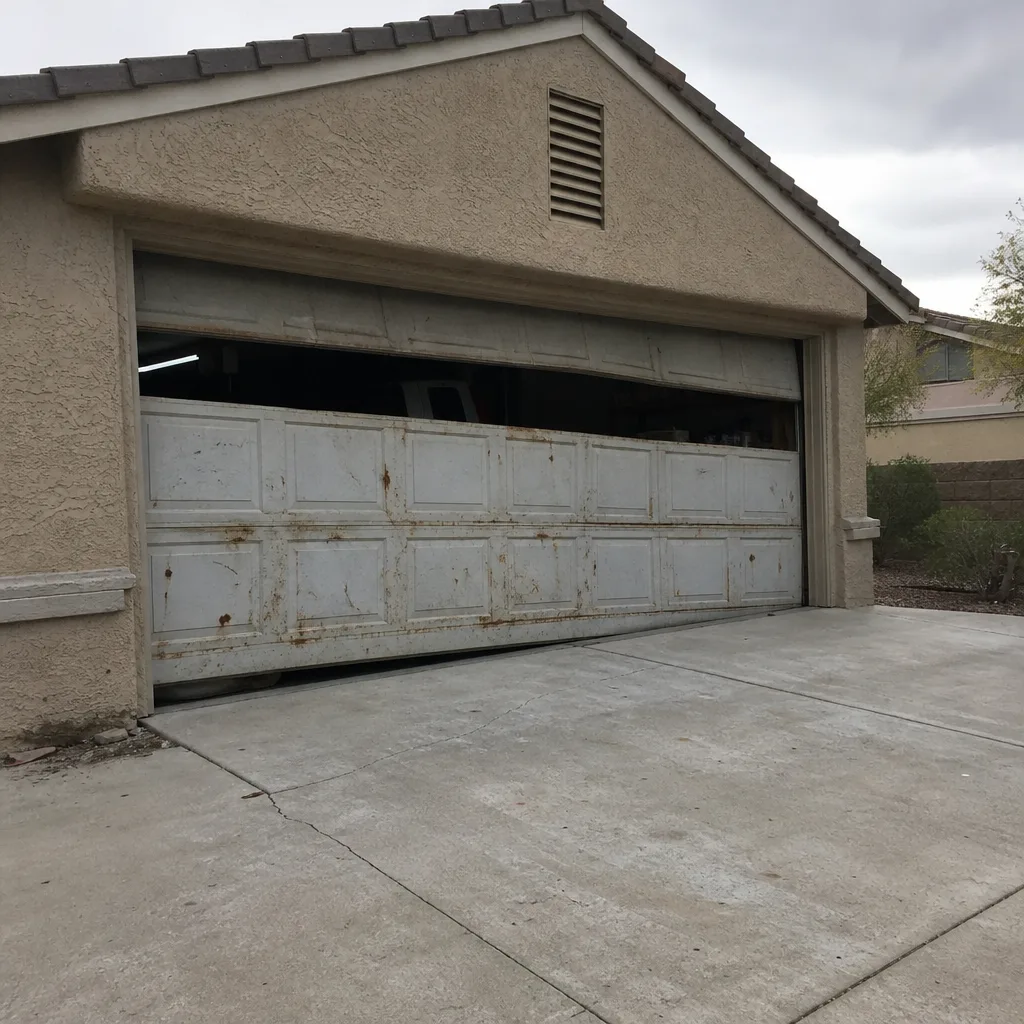 Before
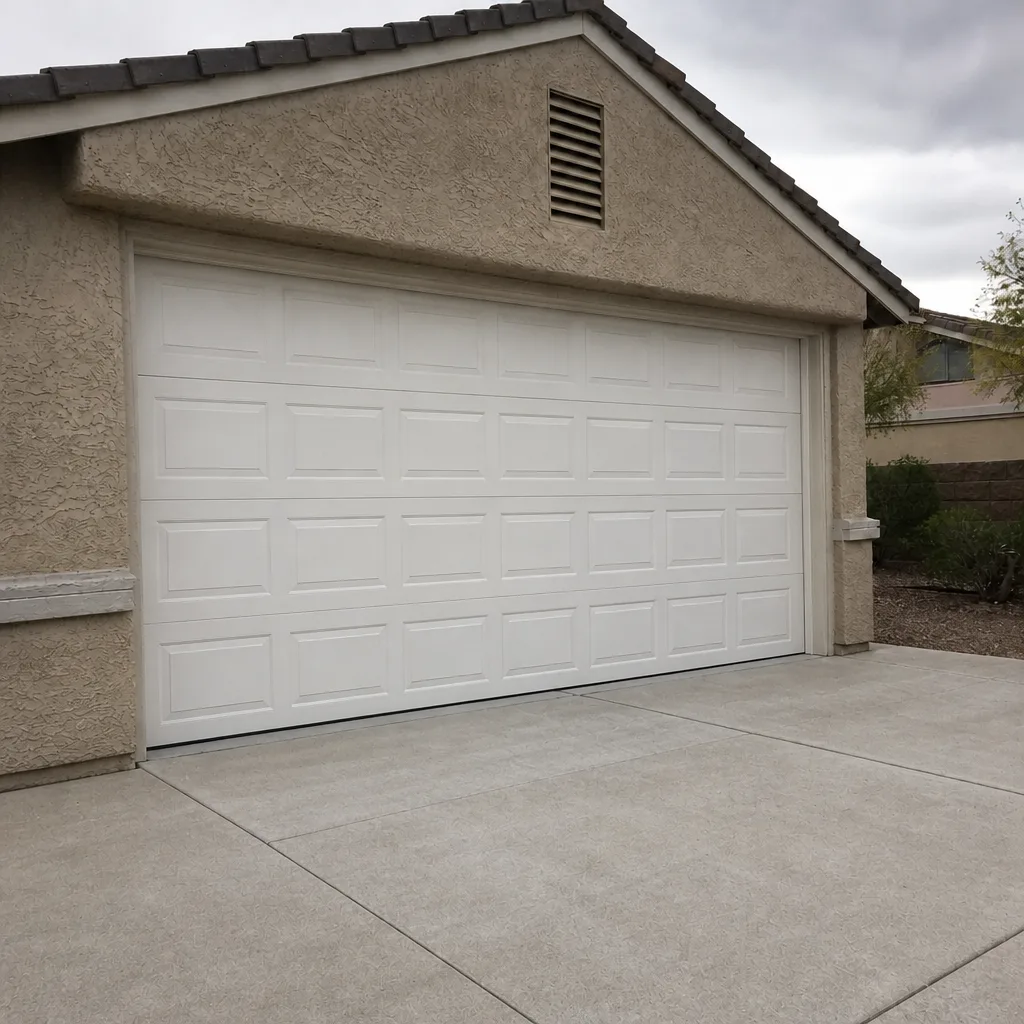 After
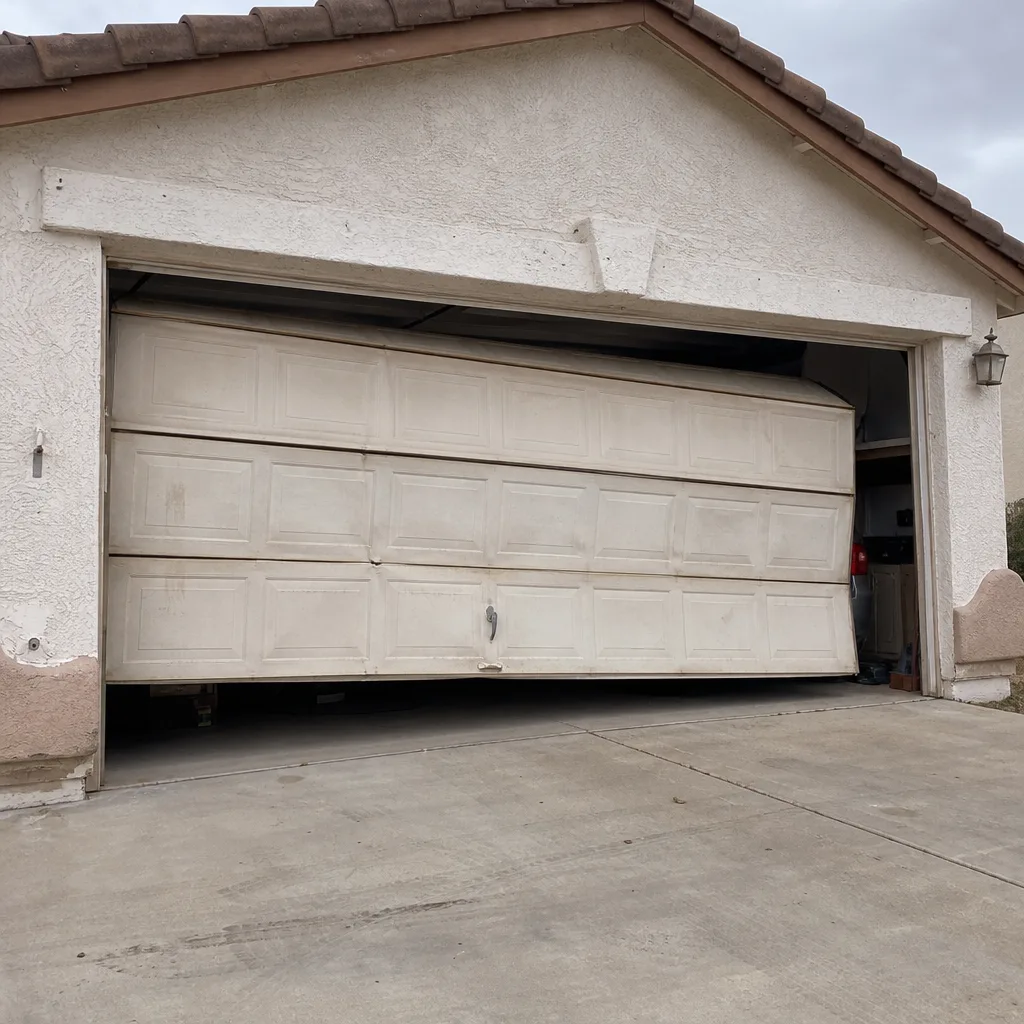 Before
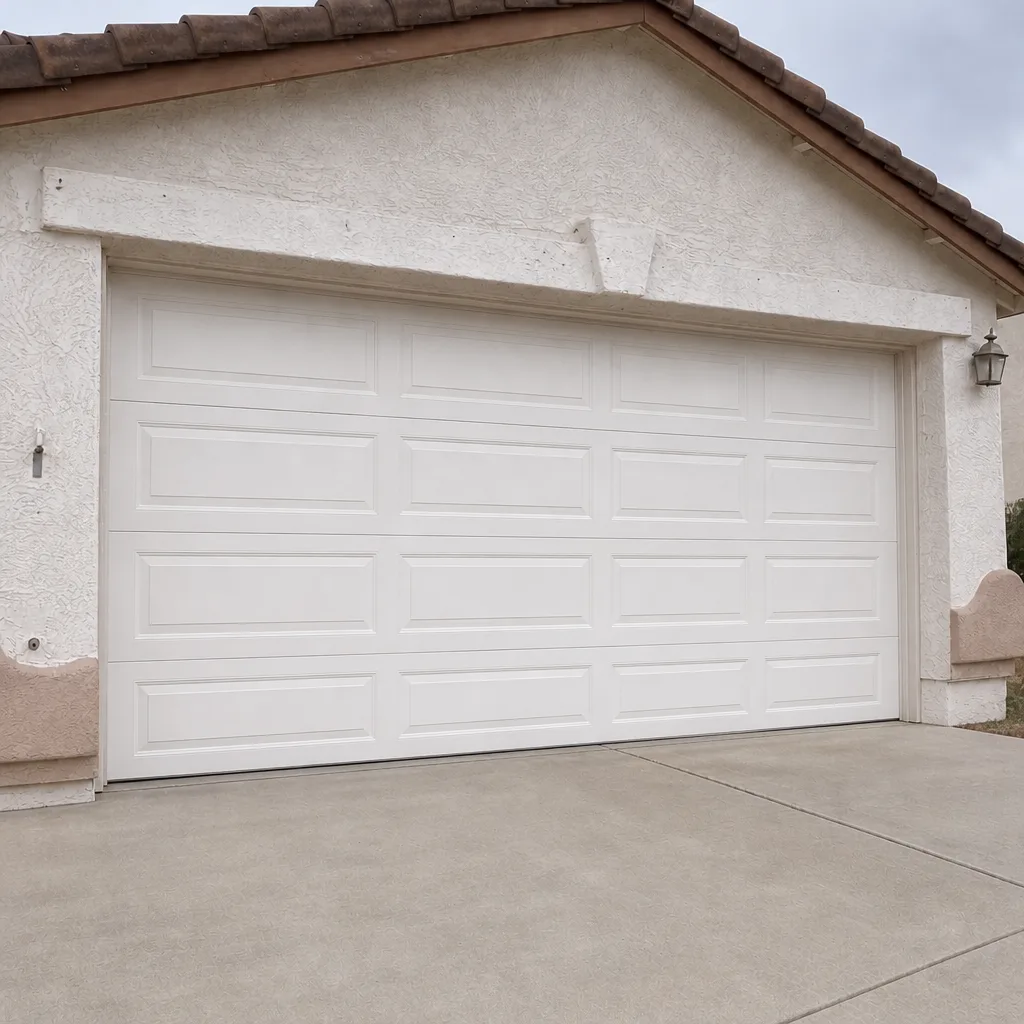 After
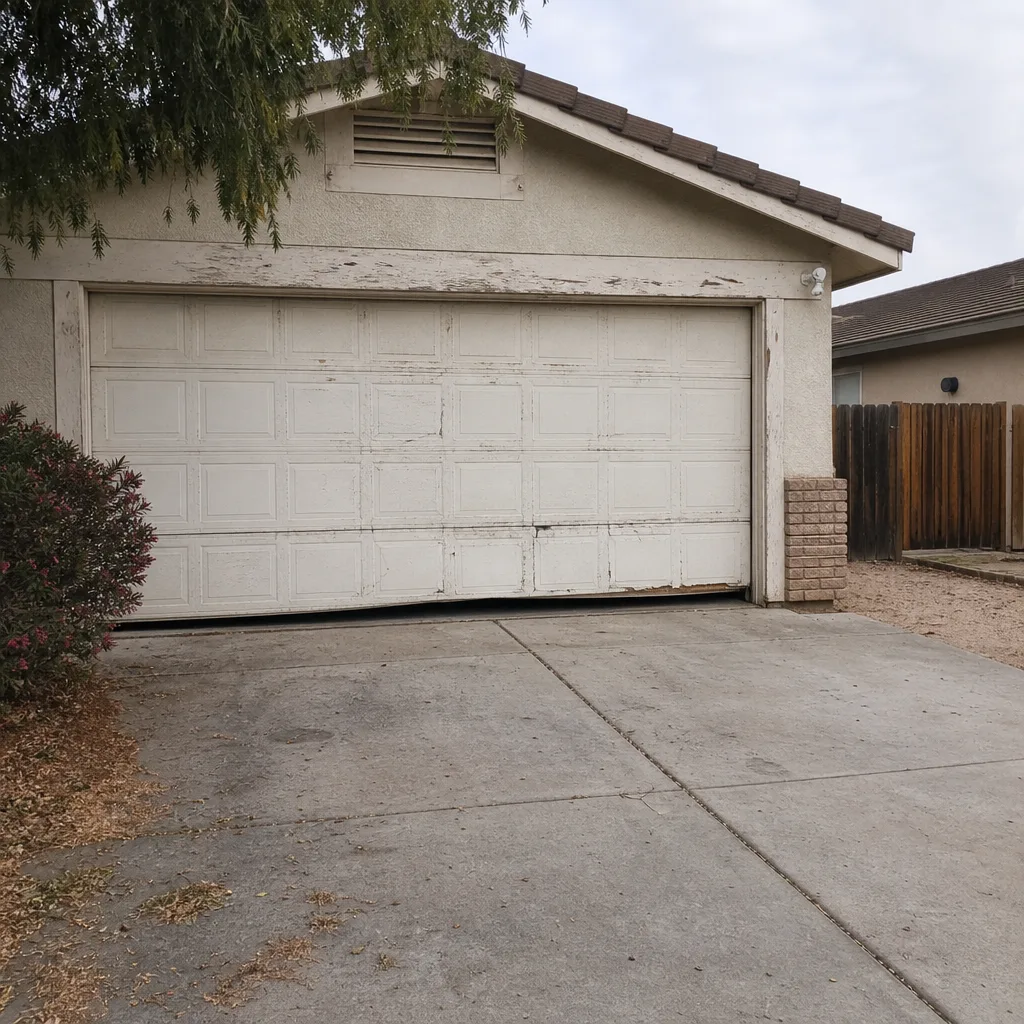 Before
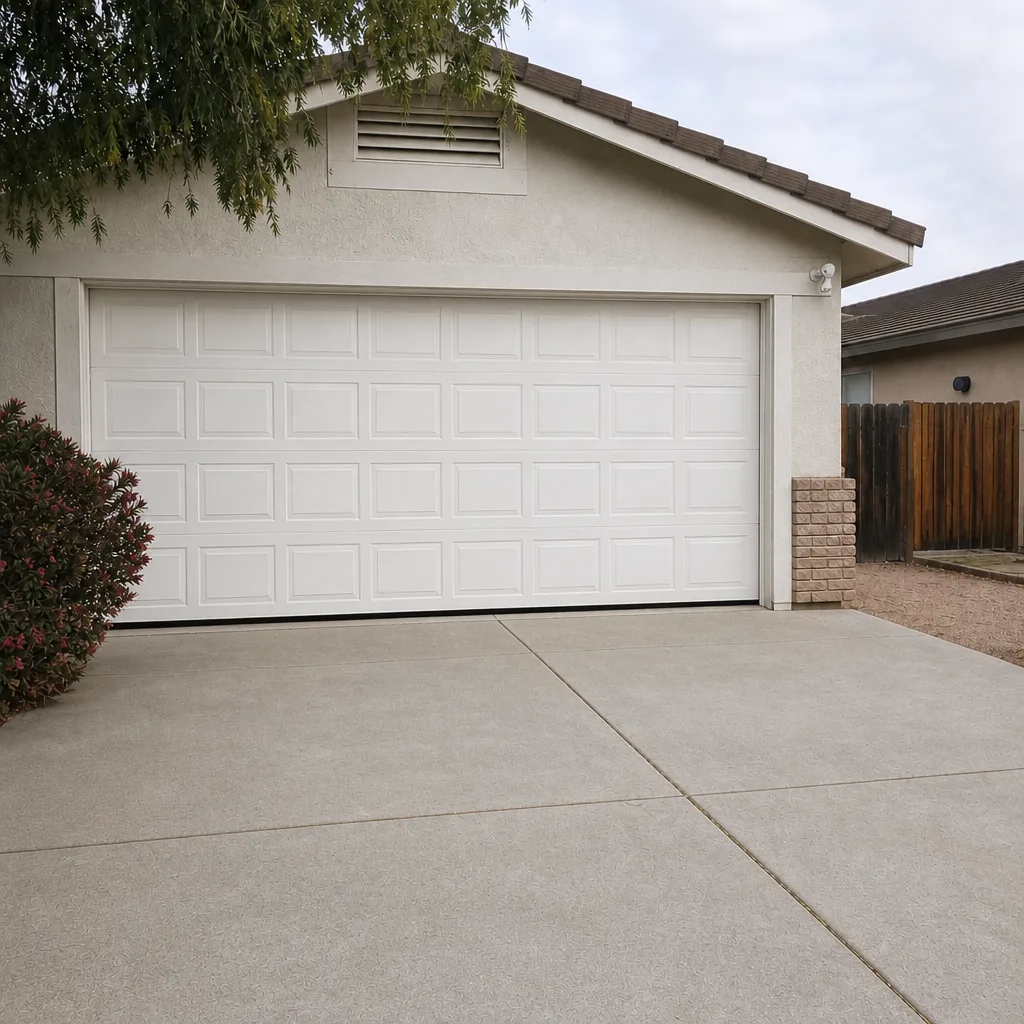 After
Frequently Asked Questions
A door that reverses halfway down is almost always reporting a safety sensor problem – most often dust or caliche grit on the photo-eye lenses, or a sensor that has drifted slightly out of alignment. Clean both lenses with a soft dry cloth and check the indicator lights. If the reversal continues after cleaning and alignment, the sensor or its wiring may need repair. Call (844) 834-1797 for an exact quote – estimates are free.
No. Garage door springs hold the full weight of the door under heavy tension, and releasing or handling them improperly can cause serious injury. Spring replacement requires specific tools and training. Leave spring and cable work to a trained technician, and stop using the door if you suspect a spring is broken.
A running opener with a door that doesn’t move means the connection between them has failed. The most common causes are a broken torsion spring, a snapped lift cable, or a stripped gear inside the opener. Pull the emergency release to disconnect the door from the opener, then call for repair. Don’t keep running the motor.
Goodyear heat expands the metal track, and even a small misalignment creates drag that the opener has to fight. A door that binds in July can open smoothly in cooler weather. Run the 60-second track vs. opener check to confirm – if the door binds by hand, the track is the problem, not the motor.
Most repairs are priced per job by a written estimate, and we give that estimate for free before any work starts. The final price is whatever the written estimate says – there’s no surprise on the invoice. Call (844) 834-1797 to schedule a free estimate.
Yes, in many cases. We dispatch Sunday through Friday from 7am to 7pm, and same-day service is often possible. We answer the phone 24/7. A call outside dispatch hours is booked into the next opening. Call (844) 834-1797 for the fastest answer.
No. The written estimate sets the price, and no work begins until you approve it. If the technician finds something different on arrival, that gets added to the estimate before work starts, not after. Call (844) 834-1797 for a free estimate.
We connect homeowners with independent local professionals who are licensed and insured for the work they perform. Our technicians have up to 11 years of experience with residential garage door systems. Call (844) 834-1797 to book a free estimate.
The Bottom Line
Most garage door problems in Goodyear trace back to heat expansion, dust infiltration, spring fatigue, or sensor drift. Diagnose by symptom first – slow descent, partial open, opener runs but door doesn’t move, phantom reversal – because each one points to a different root cause. Clean and align your sensors yourself, keep the track and rollers clear of grit, and leave spring, cable, and torsion work to a trained technician.
Our technicians have up to 11 years of experience reading these patterns, and we service LiftMaster, Chamberlain, Genie, Clopay, Amarr, Wayne Dalton, Craftsman, and Raynor door and opener systems. We also cover the full service arc, from Goodyear garage door repair to a brand-new door system, so one call handles the whole job. When you’re ready, garage door opener repair and spring work alike start with a free estimate.
Call (844) 834-1797. We answer 24/7. Fast dispatch from 7am to 7pm, Sunday through Friday. Everything we do comes back to Mariner Garage Door Repair – one call, the right fix, and a written estimate before work starts.
Written by the team at Mariner Garage Door Repair.