
Last updated November 15, 2026
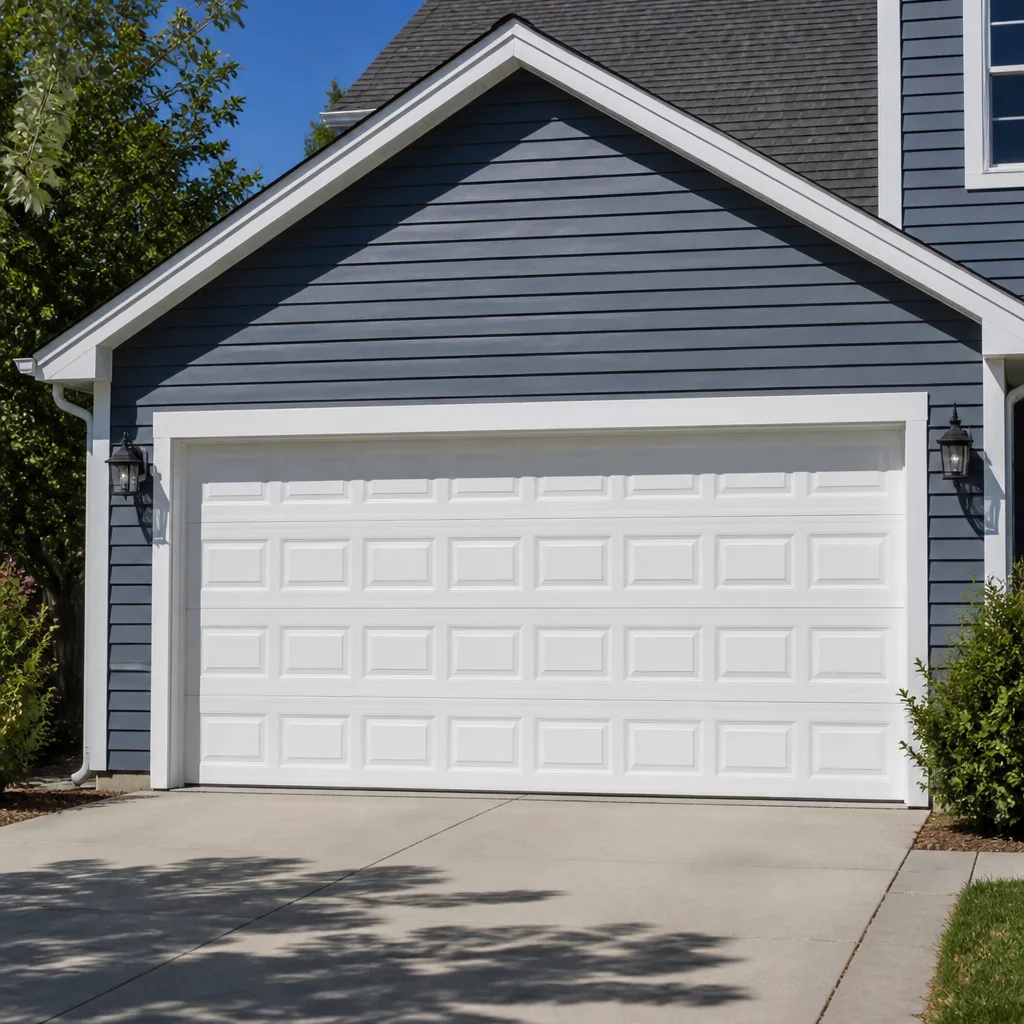 Raised-panel steel
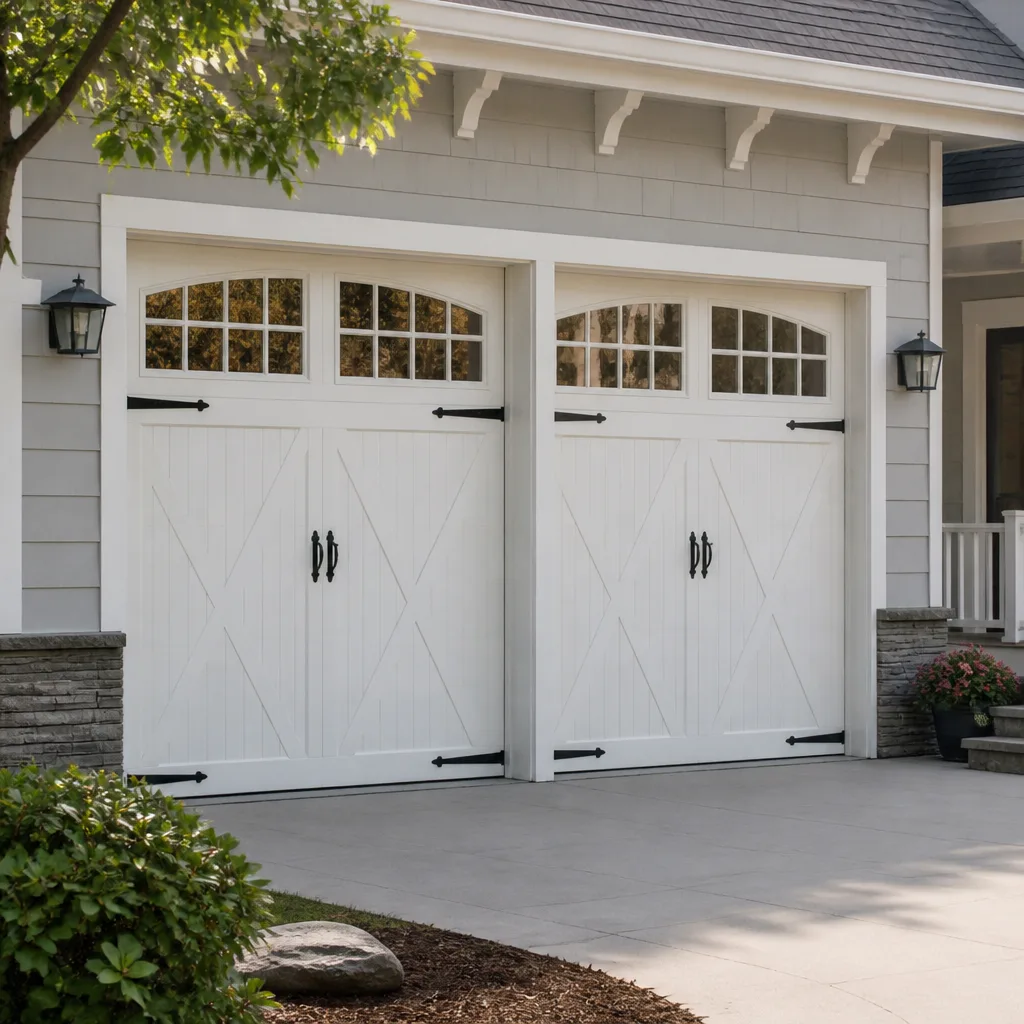 Carriage house
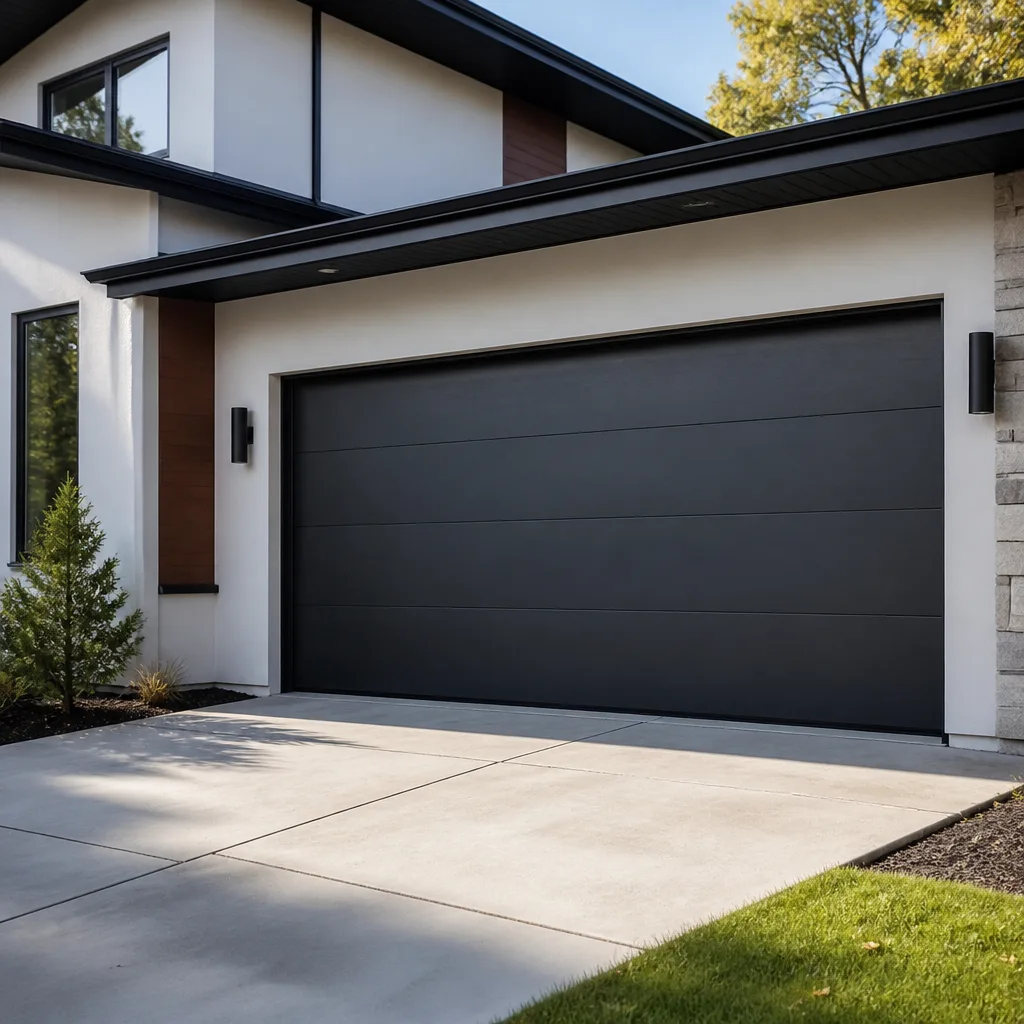 Modern flush
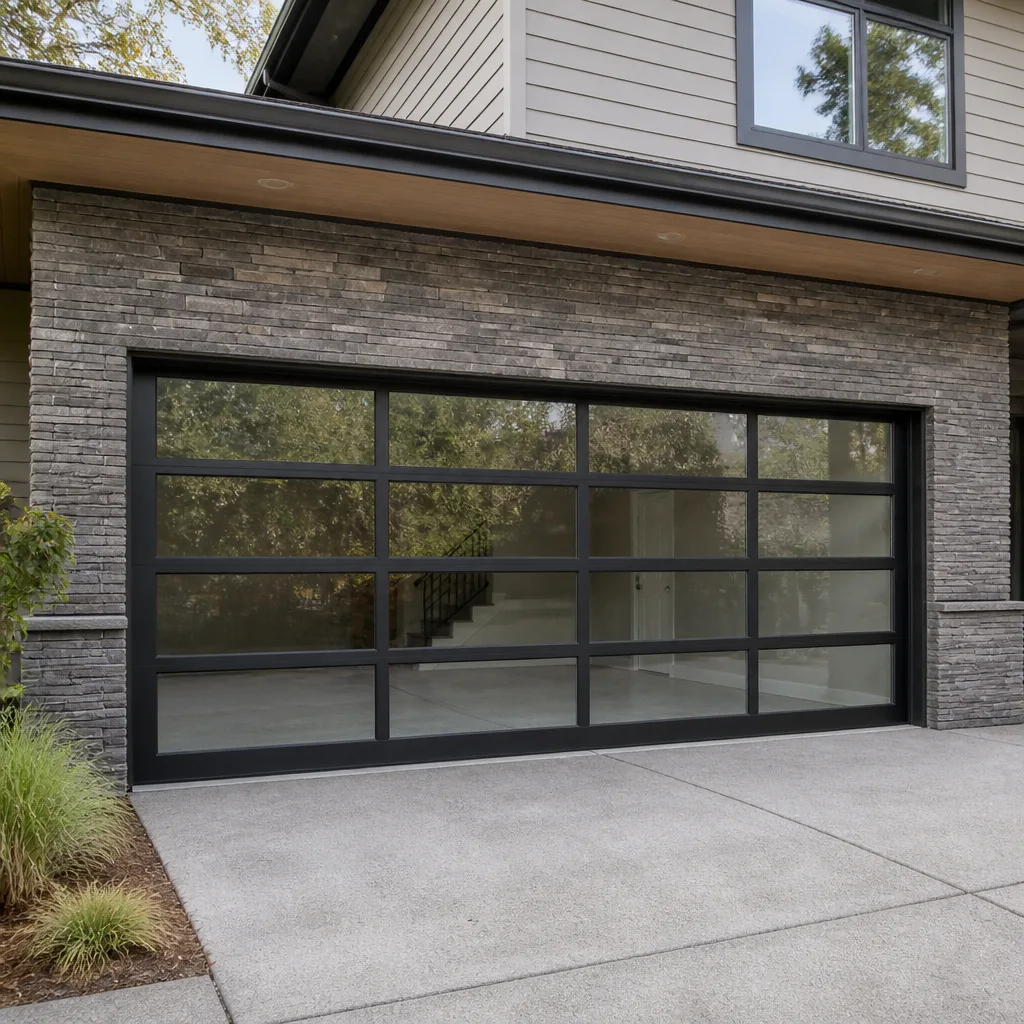 Full-view glass
 LiftMaster openers
 Chamberlain openers
Full 25-point door and opener safety check with every visit - springs, cables, rollers, tracks, and your LiftMaster or Chamberlain opener included
You get a price before we start. It does not change when the pro arrives.
Get your free estimateSeasonal Garage Door Care for Goodyear: Year-Round Homeowner’s Guide
Most garage door maintenance advice is written for a climate with four equal seasons. Goodyear doesn’t have four equal seasons. We get a long stretch of punishing heat, a shorter but intense monsoon, and two narrow windows in spring and fall when the weather is genuinely kind to both machines and the people who work on them. There are perhaps six weeks a year here, three in March and three in October, when outdoor mechanical work is comfortable and the metal, rubber, and lubricants on your door are at a temperature where they behave properly. Miss those windows and you’re not maintaining a healthy system; you’re triaging one already under stress. That’s the premise of this guide. In the pages below we’ll walk through what to check and when, how Goodyear’s climate hits openers, springs, and seals differently than the generic checklists suggest, and how a twenty-minute annual log can keep you out of emergency-repair territory.
Quick Answer
Seasonal garage door care in Goodyear works best on a two-window calendar: do your heavy inspection and lubrication in March before sustained heat arrives, and again in October after monsoon season ends. In between, check alignment and seals around late June and September, and give springs a look in November when desert nights dip into the upper 30s. A 20-minute annual log catches most problems before they become repair calls.
Styles & brands we work with
- Raised-panel steel
- Carriage house
- Modern flush
- Full-view glass
- LiftMaster openers
- Chamberlain openers
Table of Contents
- Why Goodyear’s Climate Changes the Maintenance Calendar
- The March Window: Pre-Summer Checklist
- Late June: Monsoon Prep and Travel Limits
- September: The Post-Monsoon Reset
- November: The Winter Prep Most Homeowners Skip
- Building Your 12-Month Maintenance Log
- What to Inspect Yourself vs. What to Leave Alone
- Matching Care to Your Door and Opener Brand
Why Goodyear’s Climate Changes the Maintenance Calendar
Goodyear sits in the West Valley, and the West Valley doesn’t ease into summer. It arrives. Temperatures in the triple digits hold for months, and the garage, which faces the sun on many lots, becomes the hottest room on the property most afternoons. That heat load lands on three components harder than anything else: the opener motor, the torsion or extension springs, and the rubber weather seals around the perimeter and bottom.
The opener motor in a Goodman or Estrella-area garage can run in an ambient temperature 15 to 25 degrees hotter than the outside air by late afternoon. It’s not the motor’s electronics that fail first; it’s the lubrication on the chain, screw, or belt drive, and the plastic and nylon gears inside the unit. Grease that’s rated for a mild climate thins out. It migrates off the wear surfaces and the drive train starts running dry. That’s why we see more opener failures in July and August than any other stretch of the year, and it’s why the March lubrication step matters more than the calendar suggests.
Springs are a different story. Steel springs lose tension and eventually fatigue more from cycle count than from temperature, but heat accelerates the process. The metal expands and the wire diameter changes microscopically, changing the load the spring carries. Over the course of a summer, a spring that was perfectly matched in March can be noticeably weaker by September. Doors start to feel heavier, the opener works harder, and by the time a homeowner notices the door is sluggish, the spring is close to failure.
Then there’s the monsoon. It arrives around late June and typically runs through September, and it doesn’t just bring rain; it brings sharp swings in humidity and temperature that push and pull on the door’s wood or steel frame, the track alignment, and the bottom seal. Doors that were true in May will often show misalignment by August. That’s why a maintenance calendar here in Goodyear can’t just be a spring-and-fall routine copied from a national checklist. It has to layer a pre-summer prep, a monsoon prep, a post-monsoon reset, and a short winter check on top of each other.
If you want to understand the services behind the advice in this guide, our Mariner Garage Door Repair service overview is the place to start. All the checks below point toward the same goal: catching a component that’s drifting out of spec before it fails, not after.
The March Window: Pre-Summer Checklist
March in Goodyear is the best outdoor-maintenance month of the year. Afternoon temperatures sit in the 70s and 80s, mornings are cool, and lubricants applied now will set properly and hold through the heat that’s five or six weeks away. This is the one time of year we recommend doing the full inspection pass. Here’s what we’ve found matters most for West Valley homes.
- Lubricate every wear point with a heat-stable grease or a silicone-based garage door lubricant. Don’t use WD-40 on the tracks or hinges and don’t use motor oil on the roller bearings. A product labeled for garage doors will stay where you put it at 110 degrees. Hit the hinges at each pivot, the roller stems, the bearing plates, and the opener’s chain or screw drive if it uses one.
- Inspect springs for gaps, rust, or unusual stretching. Look at the spring coil above the door. If you can see a separation or a visible gap in the coil, stop using the door and call a professional. Never attempt to adjust, wind, or replace a torsion spring yourself. The stored tension in a torsion spring is enough to cause serious injury, and this is not a job for a homeowner with a wrench and a YouTube video.
- Test the auto-reverse safety feature. Place a 2×4 flat on the ground under the door’s path. Close the door. It should reverse on contact. If it doesn’t, the opener’s safety system needs adjustment before summer.
- Test the photo-eye safety sensors. Wave your hand or a broom handle across the sensor beams at the bottom of the track. The door should reverse. In Goodyear, dust blown up during spring winds can coat the sensor lenses; wipe them clean before you test.
- Check the door balance by hand. Disconnect the opener (usually a pull cord) and lift the door halfway. It should stay put. If it drifts up or down, the springs are out of balance or the door is heavy, and the opener is doing work it shouldn’t.
- Inspect weatherstripping and the bottom seal. Rubber that’s been through one or two summers will often show cracking or compression set. Replace worn seals now, before the heat load peaks.
- Wipe down the opener housing and clear any dust from the vents. The opener needs airflow to dissipate heat. A dusty garage from tile work or yard work chokes it.
For homeowners in Canyon Trails, Palm Valley, and the neighborhoods south of I-10, the March pass is also the right time to have a professional look at spring tension and opener torque. Our technicians have up to 11 years of experience and can measure what a visual check can’t. If something needs actual garage door repair, better to know that in March than in mid-August when the door won’t open and the house is at 95 degrees by 3 pm.
Late June: Monsoon Prep and Travel Limits
The monsoon is when alignment problems surface. Humidity swings from single digits to 40, 50, even 60 percent in a matter of hours during a storm, and the wood or steel frame around the garage opening reacts. Wood swells. Steel expands. The door, hanging on tracks that are now slightly out of true, starts to bind, squeal, or drift sideways. The same humidity affects the concrete slab and the wall anchors holding the tracks.
Late June, right before the first real monsoon storms typically arrive, is the right time to check three things.
Travel limits
Every opener has up and down travel limits that tell it how far to move the door. Check that the door stops flush with the floor when closing. If you can see a gap under the door, the down limit has drifted and the door is reversing early. If the door hits the floor and the opener grinds or the rail bends upward at the end of travel, the down limit is set too far and the opener is straining. Both are adjustable, but do the adjustment with the manual in hand and the door disconnected from the opener. If you’re not comfortable with the adjustment sequence – and on modern smart openers like LiftMaster and Chamberlain models with myQ, the programming steps are different from the legacy units – call us for garage door opener repair rather than guessing.
Track alignment
Place a level on the vertical tracks. They should be plumb within a small tolerance. If a track has moved outward or inward by more than a fraction, the door’s rollers will bind going up or down. Check the horizontal tracks too, along the ceiling; the door should travel straight without wandering. Any obvious movement in the track brackets or wall anchors should be addressed before the moisture swings get worse.
Drainage and the bottom threshold
Monsoon rain blows sideways. If the garage apron slopes toward the door, or if the bottom seal is compressed, water will pool at the threshold and work its way inside. Look at the concrete just inside the door after the first heavy storm. If it’s damp, that’s a monsoon-prep issue you want to solve in June, not in September when rot and mold have already started.
September: The Post-Monsoon Reset
When the last monsoon storms fade in September, the damage is often subtle. Doors that looked fine in June may have small alignment issues, damp bottom seals, and panels with water intrusion along the bottom edge. This is the reset month. What you’re looking for:
- Bottom seal integrity. Run your hand along the bottom seal from inside the garage. If it feels soft, tacky, or shows visible cracks, moisture has been getting to it. A compromised bottom seal lets water, insects, and dust inside, and it lets cooled air escape. Replace it now, before the door sits against a wet seal through the drier fall.
- Panel condition along the bottom. On steel doors, look for rust spots along the bottom edge and around the bottom hinges. On wood doors, look for soft spots, peeling paint, or dark staining. Water intrusion that isn’t visible in July often shows up by September. Sand and repaint small rust spots on steel; anything more than surface rust is worth a professional opinion.
- Roller and hinge condition. Humid air and heat cycling take a toll on rollers. Rollers that no longer spin freely, or that have flat spots from sitting, should be replaced. Hinges that squeak despite lubrication are usually worn and need replacement.
- Opener performance. The opener has been through the worst of the summer. Run it up and down ten times in a row and listen for grinding, uneven speed, or hesitation. A chain drive that’s running dry, or a belt that’s loose, will announce itself. Genie and Craftsman units from the legacy era are especially prone to drying out and need the drive maintenance.
- Panel balance and spring tension. A spring that lost some of its strength over the summer will show up now. The door will feel heavier when you lift it by hand, or the opener will struggle on the up cycle.
Homeowners in Goodyear who do their September check properly often catch a failing spring, a compromised seal, or an opener belt that’s about to snap – all things that are cheaper and easier to fix on a scheduled basis than as emergencies.
November: The Winter Prep Most Homeowners Skip
“It doesn’t freeze here” is the reason Goodyear homeowners skip winter maintenance. But winter still matters, and the reason isn’t cold; it’s thermal contraction. Desert nights in November and December commonly dip to around 38 degrees, and the swing from an 80-degree afternoon to a 38-degree night is 40+ degrees. That’s harder on metal than a slow seasonal crawl.
What does that mean in practice? Springs, tracks, and the door’s steel panels all contract at different rates because they’re different alloys and materials. A door that was perfectly balanced in September can be slightly out of balance by November. Tracks can shift marginally. The opener’s chain, tightened in summer heat, will slacken when the overnight temperature drops. That slack is why some doors get noisy or laggy in December and January.
Here’s the November pass we recommend:
- Check chain tension on chain-drive openers. It should have a small amount of play, roughly a half-inch of sag at the midpoint, and no more. Too tight and it wears the sprockets; too loose and it slaps the rail. Adjustment is simple but requires the door disconnected and the opener unplugged.
- Re-lubricate the hinges and rollers lightly. A thin coat of the same heat-stable lubricant you used in March is enough. Don’t over-grease; excess attracts dust, which is abundant in Goodyear.
- Inspect the bottom seal again. Cold rubber gets brittle. A seal that survived September may crack in winter if it was already past its service life.
- Test both safety systems again. Photo-eyes and auto-reverse should be tested every few months regardless of season.
- Look for signs of pest intrusion. Cooler weather pushes insects and small rodents toward the warm garage. Chewed wires or nesting material near the opener are a sign that a seal or a gap needs attention.
- Look at the door’s balance by hand. If it isn’t staying put halfway up, the tension has changed and springs should be checked.
The winter pass takes about 20 minutes and prevents the most common January problem we hear about: an opener that runs but the door doesn’t move because the chain has slipped off the sprocket after going slack.
Building Your 12-Month Maintenance Log
The single best tool for seasonal garage door maintenance in Goodyear is a log you keep in the garage. Not because the log itself is complicated; because it lets you spot patterns. A door that squeaks a little louder each March needs different attention than a door that suddenly starts squeaking after five quiet years.
Here’s how to build a 12-month log that takes 20 minutes total across the entire year:
- Open a note on your phone or a small notebook. Label the top with the door make, opener brand, and the install date if you know it. That’s the one-time setup.
- Note the four seasonal check months. Write “March,” “June,” “September,” and “November” as headers.
- Under each month, list the same five items: (a) door opens and closes without unusual noise – yes/no; (b) auto-reverse test passed – yes/no; (c) photo-eye test passed – yes/no; (d) any visible damage or wear – describe; (e) door balance feels normal – yes/no.
- After each check, spend 60 seconds on the entry. Don’t overthink it. A quick “all good” or “slight squeak on top hinge” is enough.
- Once a year, right after the March check, compare notes. If the door has been getting noisier over three seasonal entries, that’s your signal. Loudness trends often mean the springs are weakening or the rollers are aging out.
That’s the entire system. It’s five minutes in March, five in June, five in September, five in November. The 20-minute total is real. What makes it valuable is that when a door does fail, you have a history of when it started feeling different. That makes diagnosis faster, and it makes the difference between “scheduled spring replacement” and “door won’t open, everything’s stuck, we’re calling from the driveway.”
What to Inspect Yourself vs. What to Leave Alone
The list above is deliberately weighted toward what a homeowner can safely do. There are also components of every garage door system that no homeowner should touch, no matter how many videos are on the internet. We want to be direct about the line.
Safe for a homeowner
- Lubricating hinges, rollers, and the opener’s chain or screw drive
- Wiping down photo-eye lenses and testing them
- Performing the 2×4 auto-reverse test
- Visually inspecting springs, seals, and panels
- Testing door balance by hand with the opener disconnected
- Replacing a bottom seal on most residential doors
- Reading the manual for the opener brand and noting the model
Call a professional
- Adjusting, winding, unwinding, or replacing torsion springs
- Adjusting extension springs
- Replacing or straightening cables
- Moving or replacing the vertical or horizontal tracks
- Replacing opener gears, motors, or circuit boards
- Adjusting travel limits if you’re not confident in the procedure
- Repairing a bent or damaged door panel
- Any work on the opener’s electrical wiring
Torsion springs are the biggest risk on the second list. The spring stores enough energy to seriously injure an untrained person, and the tools involved (winding bars) are unforgiving. If you see any sign of a broken spring – a visible gap, a door that won’t lift by hand, or a loud bang from the garage when the door was last used – stop using the opener and call for service. Nobody at Mariner Garage Door Repair wants a homeowner injured trying to save a service call.
What about the opener’s electrical panel? If the opener trips a circuit breaker, or you see scorched wires inside the opener housing, don’t dig into it. That’s an electrical-panel issue that needs a trained technician. Garage-door openers draw relatively little power, but the panel wiring is not a place to experiment.
Matching Care to Your Door and Opener Brand
Different door and opener systems have different maintenance rhythms, and knowing yours helps you time the seasonal work correctly. Mariner Garage Door Repair works on eight major brands: LiftMaster, Chamberlain, Genie, Clopay, Amarr, Wayne Dalton, Craftsman, and Raynor. That range matters when it comes to seasonal care because the brands don’t all wear the same way.
- LiftMaster and Chamberlain (Chamberlain is the parent brand, and myQ smart-home integration is a common setup here in Goodyear) tend to be chain and belt drive. Belt drives run quieter and need less tension adjustment seasonally. Chain drives are more common and need the tension pass every November and March. myQ-equipped units benefit from a firmware check once a year through the app, especially before summer when you’ll rely on the app more.
- Genie openers, especially older screw-drive and chain-drive units, are prone to lubricant drying out in a desert summer. The screw drive in particular needs the lubricant that comes with the opener or a manufacturer-approved substitute, applied in March and again lightly in September.
- Craftsman openers, especially legacy models, often use plastic drive gears inside the housing that crack in extreme heat. If a Craftsman opener starts making a grinding noise in July, the drive gear is a likely culprit and worth having looked at before the failure cascades.
- Clopay and Amarr steel door panels, common on West Valley homes, are built for heat and hold up well. The bottom edge is where they age first. Look at the steel along the bottom rail in September for bubbling or rust, and address it with touch-up paint before the rust spreads.
- Wayne Dalton doors, especially the foam-insulated panel designs, tend to hold alignment well, but the hinges and rollers still need the seasonal lubrication pass.
- Raynor doors are common on new construction and benefit from an alignment check after the first monsoon, since the frame has fully settled by then.
The common thread across all eight brands: lubrication timing and seal condition matter more than brand-specific quirks. If you want to be sure you’re on the right schedule for your specific door and opener, our team can advise. We cover all of Goodyear, from Palm Valley and Canyon Trails to the neighborhoods around Goodyear‘s new developments, and we’re happy to look at what you’re working with.
Common Mistakes to Avoid
- Treating the seasonal calendar as flat. The “check in spring and fall” advice most websites give assumes a mild climate. In Goodyear, the two real work windows are March and October, and the June and November checks are separate passes with different goals. Flatten those into one spring visit and you’ll miss the monsoon shift.
- Using WD-40 on tracks and hinges. WD-40 is a solvent, not a lubricant, and it evaporates in desert heat. It strips existing lubricant and then leaves the joint dry. Use a garage-door-rated lubricant, and apply it less often than you think.
- Skipping the winter check because it doesn’t freeze here. Springs and chains don’t care about freezing; they care about temperature swings. The 40-degree overnight drop in November is when tension changes and chains go slack.
- Ignoring a soft or damp bottom seal after a storm. Water intrusion under the door is invisible from the outside. If the concrete inside the door stays dark after rain, the seal is failing and the small window to fix it is right after the monsoon.
- Testing photo-eyes with the door already in motion. The sensor test works only when you break the beam while the door is closing. Wave your hand through the beams under a closing door in a safe position, not while reaching toward the moving door.
- Adjusting springs or trying to “rebalance” the door yourself. We’ve said it above and we’ll say it again: torsion and extension springs are dangerous. Never attempt to adjust or replace them. There are no shortcuts that make this safe.
- Letting opener brand differences go unnoticed. A LiftMaster with myQ is functionally different from a legacy Craftsman. A seasonal check that skips the app firmware check on the smart opener, or skips the drive lubrication on the older chain unit, misses half the point. Match your care to what’s actually in the garage.
See the difference
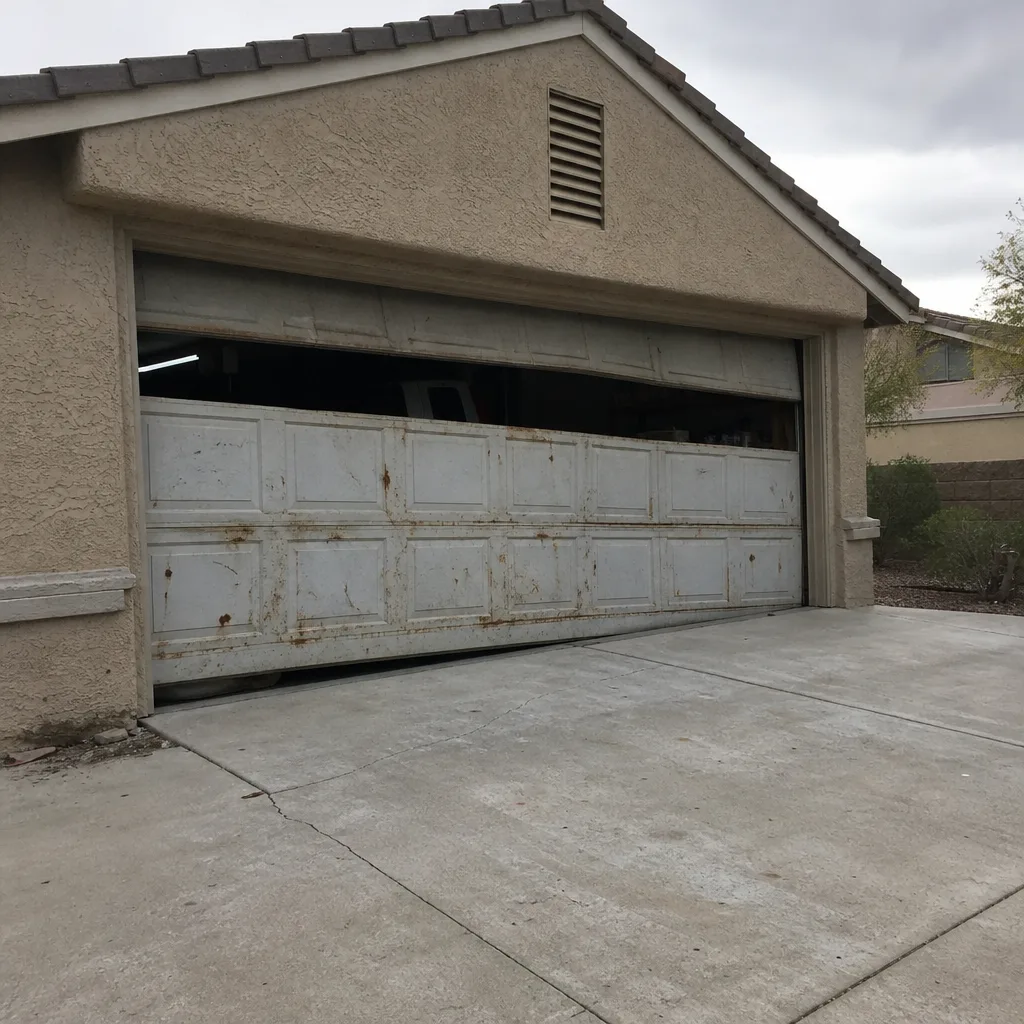 Before
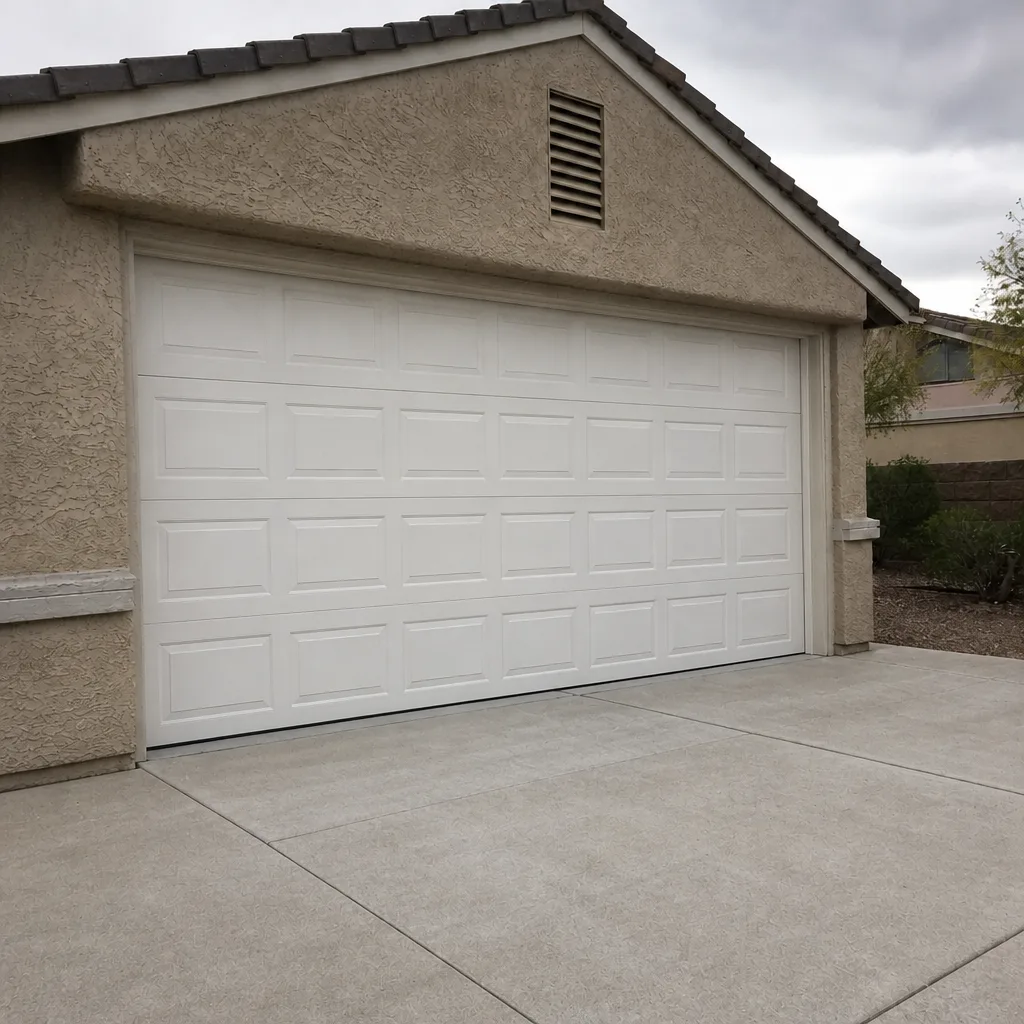 After
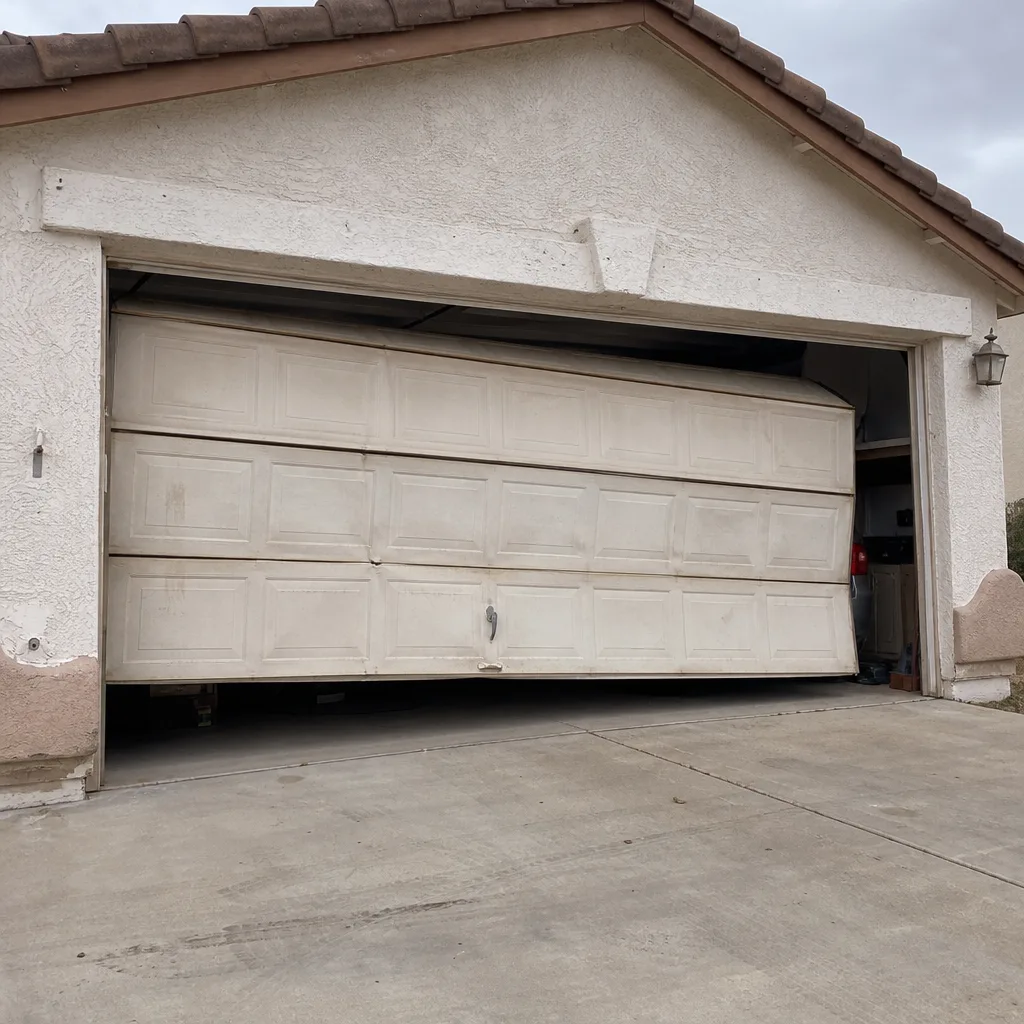 Before
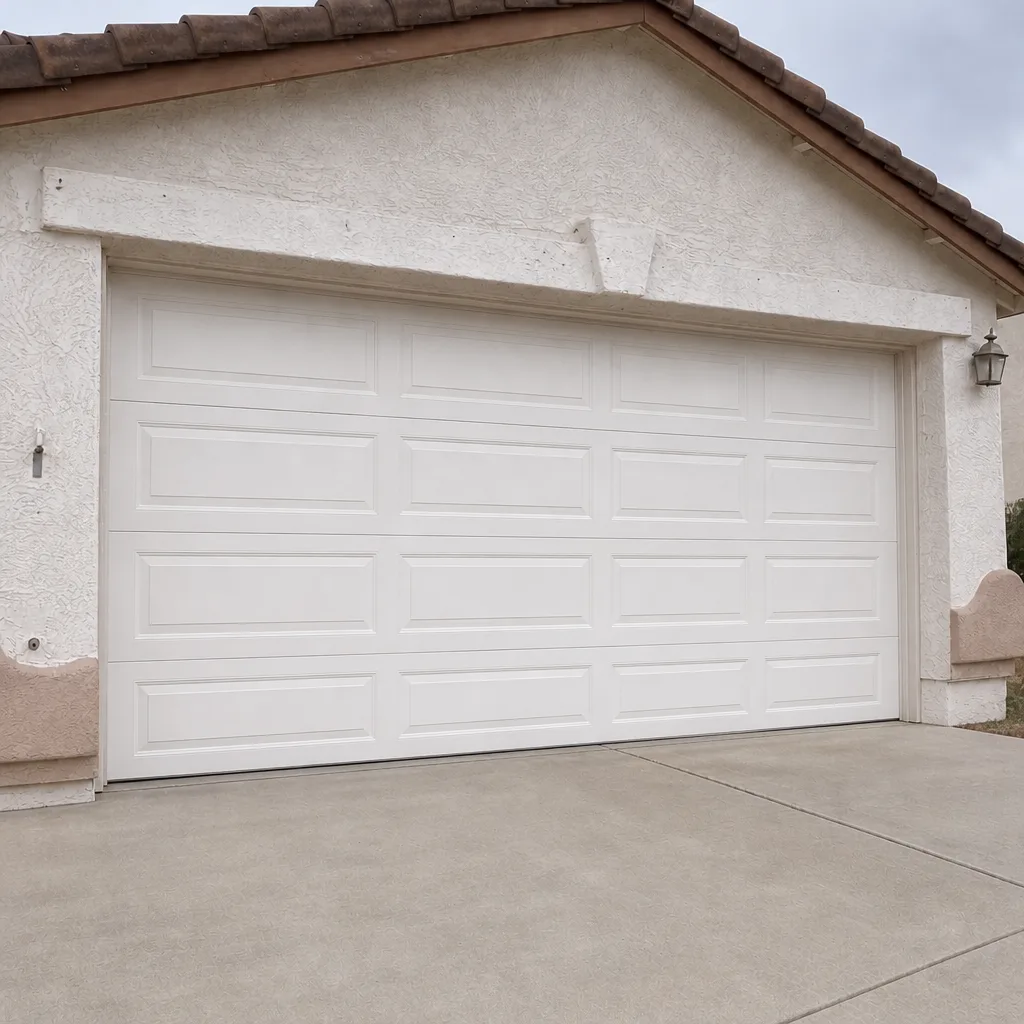 After
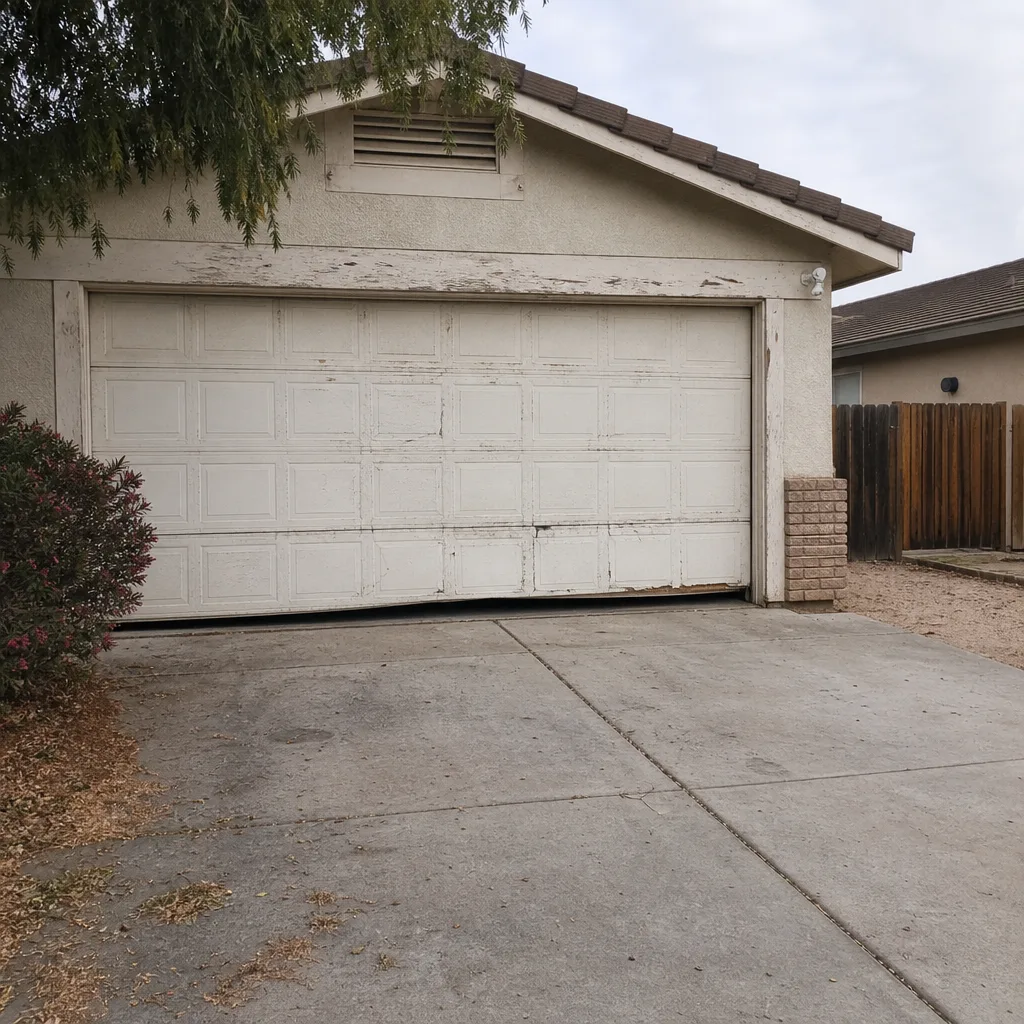 Before
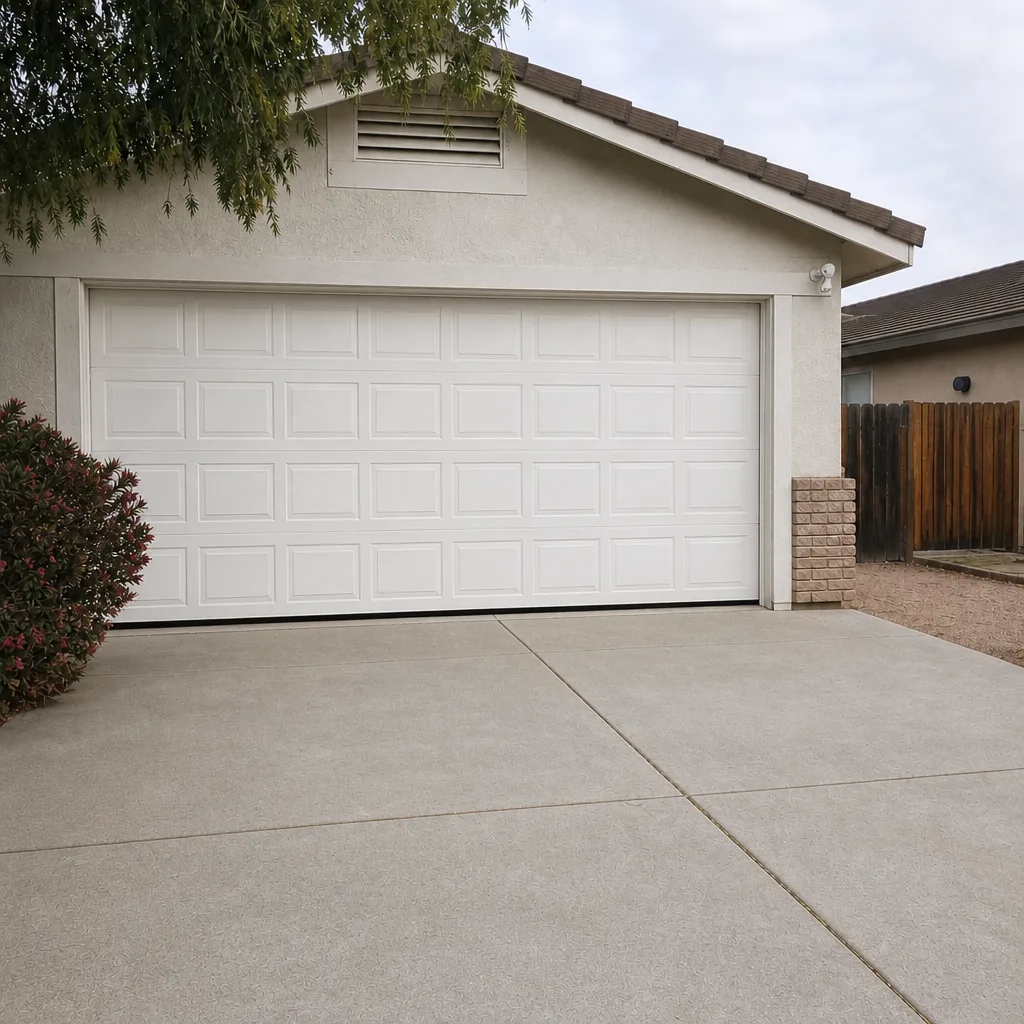 After
When to Call a Professional
Some seasonal checks are do-it-yourself; some aren’t. Call a professional when: you hear a loud bang from the garage and the door won’t lift; you see a visible gap or separation in a spring coil; the door is noticeably heavier than it was last season; the opener runs but the door doesn’t move; you find rust or soft spots along the bottom panel that go beyond surface paint; the door has moved sideways in its tracks or is no longer flush with the floor; or you feel unsafe trying any of the adjustments above.
Mariner Garage Door Repair offers free estimates in Goodyear. Our technicians have up to 11 years of experience and work across eight major door and opener brands, so whether you have a LiftMaster opener or a Genie unit, a Clopay steel door or a Wayne Dalton insulated model, we can diagnose the seasonal issue and give you a written price before any work starts. Call (844) 834-1797. We answer 24/7. Fast dispatch from 7am to 7pm, Sunday through Friday.
Frequently Asked Questions
Twice a year is the right cadence here: once in March before sustained heat, and again lightly in November. Desert heat and dust do more to lubricants than a mild climate does, so a mid-season touch pass in September on the drive chain is reasonable. Use a garage-door-rated grease or silicone-based lubricant, not WD-40. If you’re unsure what your opener needs, call (844) 834-1797 for a free estimate.
Yes, but not for the reason you think. Winter prep here isn’t about freezing; it’s about thermal contraction. Overnight temperatures in the upper 30s push the door’s steel and springs into contraction, and the daily 40-degree swing tightens and slackens chains and springs differently than summer does. The November check is mostly chain tension, seal condition, and balance. A 20-minute pass prevents most winter opener failures.
Check three things: track alignment with a level, down-travel limits so the door stops flush without straining, and the bottom seal and threshold for signs of water entry. During the humidity swings from late June through September, tracks and frames shift and door alignment follows. Catching a slight misalignment in June prevents a stuck door in August. If you find misalignment or travel-limit drift you’re not comfortable adjusting, call (844) 834-1797 for a free estimate.
No. Torsion and extension springs store enough energy to seriously injure or kill an untrained person, and the tools required are purpose-built for the job. This is one of the few areas where we strongly advise against any homeowner attempt, regardless of how many videos you’ve watched. If a spring has broken, stop using the door and call (844) 834-1797 for a free estimate from a trained technician.
Do a short three-part check: look at the bottom seal for compression or water spots, run the door up and down slowly and listen for new noises, and test both safety systems. Most post-monsoon issues show up as bottom seal damage or a door that’s a little out of balance. If you have any concern about panel damage or spring condition, call for a free estimate. We work on all the major brands and can identify what needs attention.
We work on eight major brands: LiftMaster, Chamberlain, Genie, Clopay, Amarr, Wayne Dalton, Craftsman, and Raynor. That includes smart-home openers like myQ-enabled LiftMaster and Chamberlain units as well as legacy Craftsman and Genie systems. Whether you’re doing seasonal maintenance or need garage door repair after an issue, we’ve got the door and opener side covered. Call (844) 834-1797 for a free estimate.
The Bottom Line
Seasonal garage door care in Goodyear works best when you stop thinking in four seasons and start thinking in two windows and two checks. March and October are the two windows when lubricants set correctly and outdoor work is genuinely comfortable; June and November are the two checks that catch monsoon damage and cold-swing tension changes respectively. Build a 20-minute annual log, keep the do-it-yourself list small and safe, and respect the springs. Everything on the second, professional-only list matters more than the first, and the small time investment in a log will save you from emergency calls most seasons. Call (844) 834-1797 for a free estimate. We answer 24/7. Fast dispatch from 7am to 7pm, Sunday through Friday.
Written by the team at Mariner Garage Door Repair.