
Last updated November 15, 2026
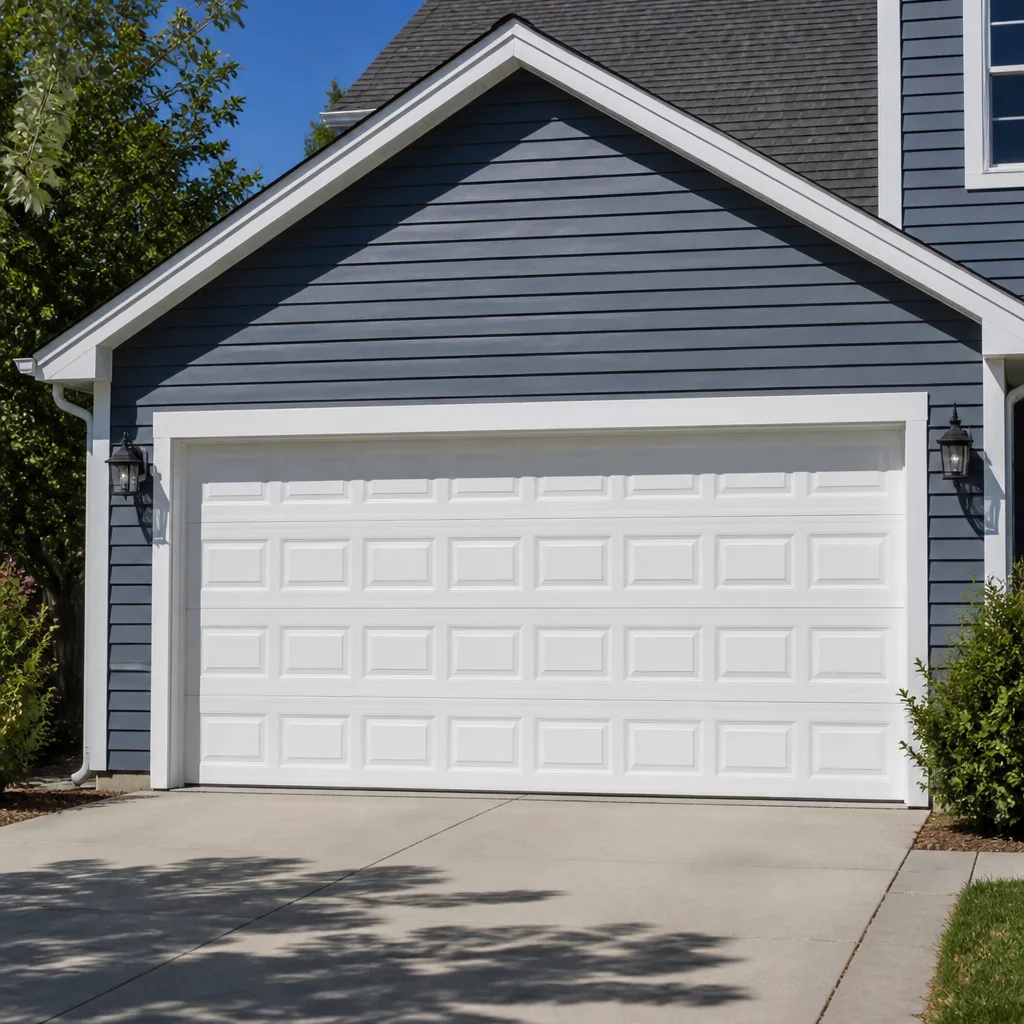 Raised-panel steel
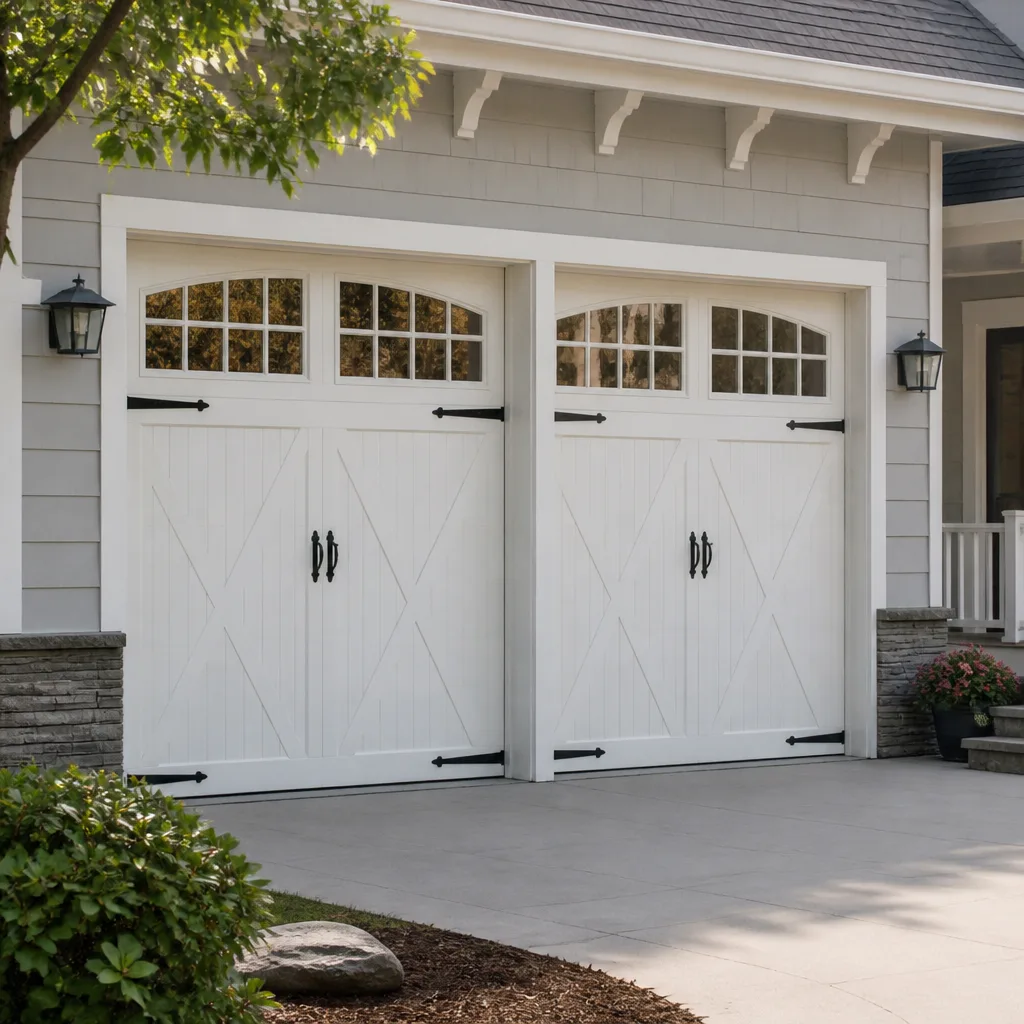 Carriage house
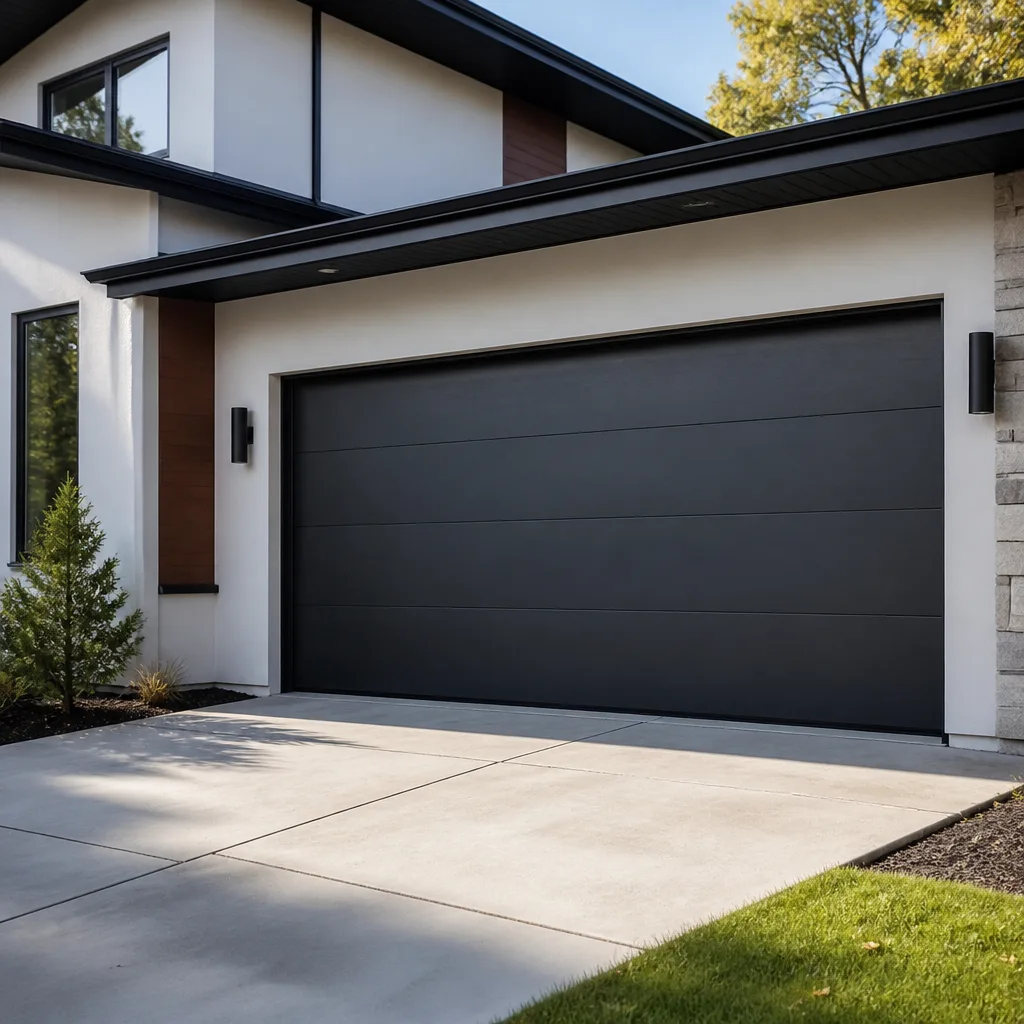 Modern flush
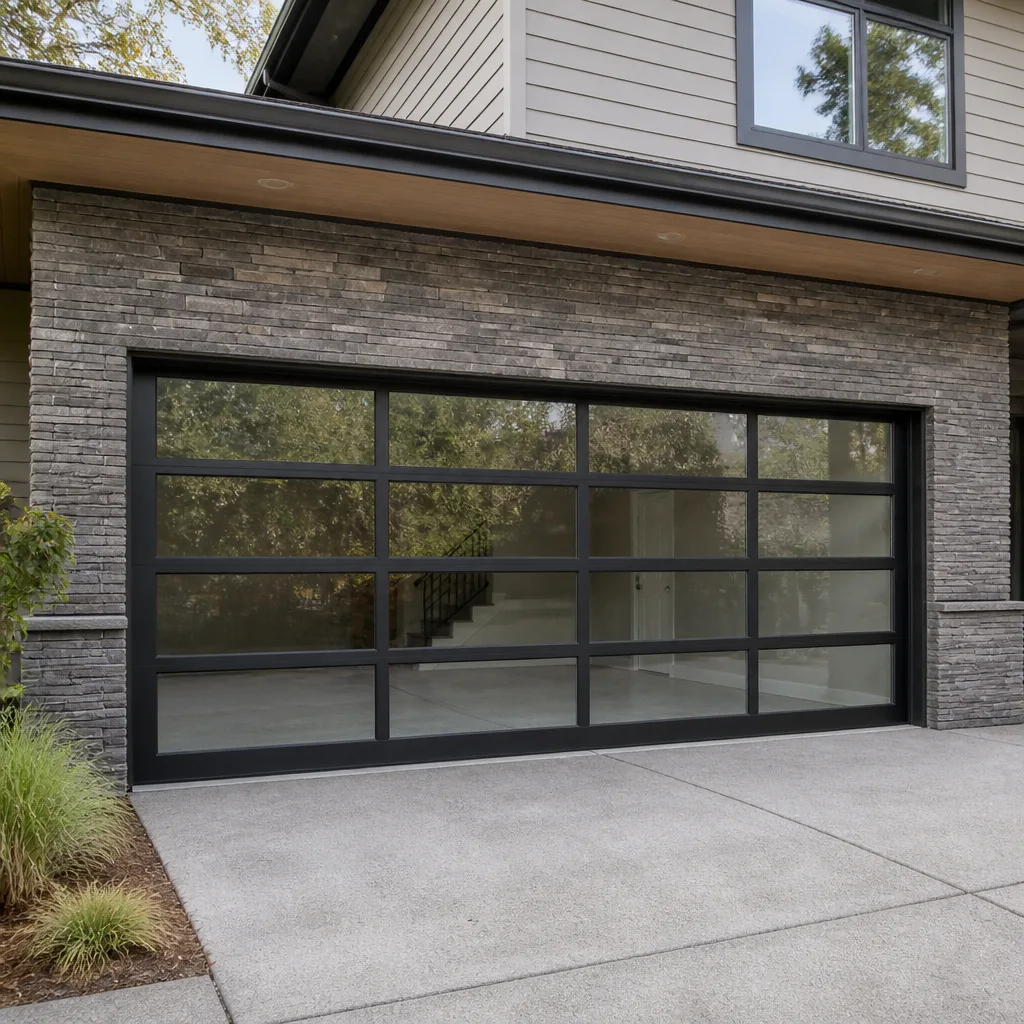 Full-view glass
 LiftMaster openers
 Chamberlain openers
Full 25-point door and opener safety check with every visit - springs, cables, rollers, tracks, and your LiftMaster or Chamberlain opener included
You get a price before we start. It does not change when the pro arrives.
Get your free estimateGarage Door Permits, Codes & Inspections in Goodyear, AZ: What You Need to Know
Most Goodyear homeowners assume a garage door replacement is always permit-free because it’s not adding square footage. That’s the misconception we hear most. A like-for-like swap of the same size door in the same opening is often handled without a city permit, but change the opening size, alter the header, or add structural blocking, and the City of Goodyear treats it as construction work that needs a permit and an inspection. This guide walks through when a permit is required, when it isn’t, how HOA architectural approval fits in, what inspectors look at, and how to deal with old unpermitted work before it becomes a problem during a sale.
Quick Answer
A garage door permit is typically required in Goodyear when the work changes the rough opening size, involves structural changes to the header or framing, or adds new blocking and anchorage that differ from the original construction. Replacing a door with the same size unit in the same opening generally does not trigger a permit, though your HOA architectural committee may still need to approve the door style and color. Always confirm with the City of Goodyear building department before work starts; rules can be adjusted and they have the final say.
Styles & brands we work with
- Raised-panel steel
- Carriage house
- Modern flush
- Full-view glass
- LiftMaster openers
- Chamberlain openers
Table of Contents
- When does a garage door replacement need a permit in Goodyear?
- Like-for-like replacement vs. structural change
- HOA approval vs. city permit: which comes first?
- What inspectors actually look at during a garage door inspection
- Maricopa County fire code and attached garages
- How to permit work a previous owner left unpermitted
- How Goodyear’s desert climate affects garage door compliance
- Common mistakes to avoid
When Does a Garage Door Replacement Need a Permit in Goodyear?
The short answer: when the work goes beyond swapping a door of the same size and weight class into an unchanged opening. The City of Goodyear’s building department draws the line at anything that touches the structural system, changes the size of the opening, or introduces new loads the original framing wasn’t designed for. That means most straightforward replacements on a home in Estrella or Palm Valley sail through without a permit, while a door upgrade that requires a new header or widened framing does not.
Here’s the practical breakdown:
- Typically no permit: Removing an existing sectional door and installing a new one of the same width, height, and general weight in the same opening, using the existing track and spring anchor points.
- Usually needs a permit: Widening or heightening the opening, installing a different door size, replacing the header beam, adding new load-bearing blocking, or changing the track geometry beyond the original span.
- May need a permit: Upgrading to a much heavier door (steel carriage-style replacing a light aluminum door) when the existing anchorage and spring system can’t be reused without new structural attachment.
Because the threshold comes down to whether the work is structural, the safest move is to describe the exact scope to the building department before scheduling. A two-minute phone call to the City of Goodyear saves the kind of headache that only surfaces at resale. Our garage door repair team fields these questions routinely and can tell you at the estimate stage whether the scope you’re considering looks likely to need a permit.
One more note: residential garage door permits are usually inexpensive relative to the job. If a contractor tells you a permit costs “thousands” and tries to talk you out of pulling one, that’s a signal to get a second opinion.
Like-for-Like Replacement vs. Structural Change
The phrase “like-for-like” gets used loosely. In building department terms, it means the same door dimensions into the same unchanged opening using the same attachment points. The moment any of those three change, you’ve moved from a maintenance replacement into construction work.
Here’s how to think about the dividing line:
- Same width and height? If yes, you’re still in like-for-like territory.
- Same opening in the wall? If the door frame, header, and jambs are untouched, no structural change.
- Same anchor points for track and springs? If the new door uses the existing mounting, no new structural load.
- Same general weight class? A heavier door puts more load on the torsion system and the header; if a structural engineer or the manufacturer’s installation instructions call for new blocking, you’ve crossed into permit territory.
- Same rough opening dimensions in the plans? If the new door requires opening the wall, that’s a structural permit.
Homeowners in Goodyear who are upgrading from a basic builder-grade door to a steel carriage-style Clopay door, or moving from a single door to a wider double, are the ones most likely to trip the permit requirement. Replacing a 16-foot door with another 16-foot door in the same opening? Usually no permit. Cutting the opening wider to fit an 18-foot door? Permit and inspection. When you’re weighing options, our Mariner Garage Door Repair team can help you compare like-for-like upgrades against structural changes so you know which path you’re on before you commit.
HOA Approval vs. City Permit: Which Comes First?
They’re two separate processes and they don’t substitute for each other. City permits are about life safety and code compliance. HOA architectural approval is about curb appeal, color, and style conformity within the community. A city inspector doesn’t care what color your door is; your HOA absolutely does. And an HOA approval doesn’t satisfy the city’s requirement for a permit when the work is structural.
In Goodyear, most planned communities have an architectural review process. Neighborhoods like Estrella, Palm Valley, and parts of Canyon Trails each run their own design guidelines, and the door profile, panel style, and paint color usually need approval before the door is ordered.
The order of operations that works:
- Read your HOA design guidelines first. They define what’s allowed before you spend a dollar.
- Submit the HOA architectural request. Include the door manufacturer spec sheet, color sample, and a description of the installation. Approval can take a few weeks, so start early.
- Confirm with the City of Goodyear whether a permit is needed. Do this in parallel with the HOA process so you’re not waiting on one to finish before starting the other.
- Pull the permit if required. Have the permit number ready before the door arrives.
- Schedule the installation only after both approvals are in hand. Installing first and getting approval after is the scenario that leads to rework.
Some HOAs specifically require proof of city permit when structural changes are involved. If you’re not sure whether your neighborhood requires it, ask the HOA manager directly. For additional context on how we handle scheduling around approvals, see our Goodyear service page.
What Inspectors Actually Look at During a Garage Door Inspection
A permit inspection isn’t a general quality walkthrough. The inspector is verifying specific life-safety and structural conditions during the rough-in stage, before drywall, trim, or finish work goes back up. If any of the following fail, you’re looking at a correction notice and a re-inspection.
- Header load. The header above the opening must be sized for the load above it, including the door weight and the wind load for the opening size. If the header was replaced or modified, the inspector will check the size and attachment against the permitted plans.
- Anchorage and fastening. Track brackets, spring anchor plates, and any blocking added to carry the door load must be fastened per the manufacturer’s installation instructions and the approved plans. Missing fasteners, undersized lag screws, or attachment through drywall only are common fail points.
- Structural connections to framing. New blocking must be connected to structure, not just toe-nailed in place. Inspectors look for metal connectors or appropriate fastening.
- Opener power requirements. A new circuit or dedicated receptacle for the opener must be properly installed and protected. Most modern openers, including LiftMaster and Chamberlain myQ models, either need a dedicated outlet or must be hardwired to code depending on the installation; the electrical rough-in is inspected before power is connected.
- Fire separation at the door-to-living-space wall. This applies when the garage is attached and the wall between the garage and the house is at the inspected stage; the inspector verifies the separation and any door between the two spaces (see next section).
In our experience, the two most common causes of a failed inspection are undersized headers on widened openings and track anchorage installed into framing that wasn’t upgraded for the heavier door. Both are fixable, but the fix is cheaper before the inspector arrives. For inspections tied to an opener install, our garage door opener repair team can flag electrical scope likely to need inspection.
Maricopa County Fire Code and Attached Garages
If your garage shares a wall or ceiling with the living space, the separation between the two matters. Maricopa County fire code (adopted from the International Residential Code) establishes requirements for the wall and door between a garage and the residence to slow the spread of fire and fumes. The two elements inspectors and resale inspectors look at most are the door between the garage and the house (the “man door”) and the wall assembly above and around it.
The topics this touches:
- The garage-to-house door. A solid wood or solid-core door is the typical requirement, sometimes with a self-closing hinge and weatherstripping for smoke and fume separation. Hollow-core doors are common in older builds and are a frequent finding on inspection.
- Drywall and taping on the shared wall. The separation wall typically requires a specific thickness of gypsum board, taped and finished, without gaps or penetrations that compromise the barrier.
- The garage door itself. The overhead vehicle door isn’t typically part of the separation requirement (it’s on the exterior wall), but the sealing around it matters for fume migration into the home.
- Openings and penetrations. Holes cut for wiring, plumbing, or HVAC in the separation wall need to be sealed to maintain the barrier. During an inspection, gaps around conduit and pipe are a common finding.
Replacement of the door between the garage and house is not a garage door job per se, but a homeowner planning any change to that wall, including widening it for a new door, will trigger a fire separation inspection. If you’re uncertain whether the existing separation meets current code, an inspection by the County or a licensed contractor is the way to find out before something fails during a sale.
How to Permit Work a Previous Owner Left Unpermitted
Unpermitted work from a previous owner is one of the most common surprises at resale, and in Goodyear it usually surfaces during the buyer’s inspection or the title search. The good news: it’s fixable, and doing it proactively is far less stressful than doing it under a sale deadline.
The process usually looks like this:
- Find out what was actually done. Pull the permit history for the address from the City of Goodyear building department. Ask specifically for any permits on the garage and structural work. If no permits exist for a door that clearly required one, you’ve confirmed the problem.
- Contact the building department to open a conversation. Explain what work was done and when. They’ll tell you what’s needed to bring it into compliance. Some departments require a “permit as-built” process; others accept a new permit to cover the work.
- Get an inspection of the existing work. An inspector will look at the same structural points covered above: header, anchorage, and structural connections. If the work is sound, the inspection often passes. If it isn’t, corrections are identified.
- Make corrections if needed. Sometimes the fix is minor (add fasteners, add blocking). Sometimes it’s more involved (reinforce the header or rebuild a portion).
- Have it re-inspected and obtain the final. Once signed off, you have documentation showing the work is compliant, which removes a common resale obstacle.
We’ve seen entirely sound installations fail inspection not because the door was unsafe but because someone installed the track into framing that wasn’t upgraded. Small fix, big difference at resale.
How Goodyear’s Desert Climate Affects Garage Door Compliance
The Sonoran Desert around Goodyear creates conditions that matter to compliance and long-term performance, even though they don’t change the permit rule.
Summer heat, dust, and the intense UV exposure on south- and west-facing doors put real stress on the door, the springs, and the opener electronics. A door that was installed with undersized anchorage may perform fine in mild weather and fail in the first summer. When you’re pulling a permit for a structural change, the inspection is a chance to make sure the anchorage is correct for the climate you actually live in.
Two practical points:
- Wind exposure. Goodyear has wind-driven dust events during the summer monsoon season. The header and anchorage points that hold the door and track are the same points that need to hold in a wind event, so inspections that confirm proper fastening are worth doing.
- Opener electronics and heat. Smart openers like LiftMaster and Chamberlain myQ models and traditional Genie units both live in the hot attic space above the garage. If an opener upgrade is part of your project, confirm whether a dedicated circuit is required; that determination is part of the electrical scope and may be inspected.
None of this changes the permit threshold, but it does mean the inspection is more than paperwork. It’s a check that the system will hold up to the local conditions. For more context on the local service area, see Goodyear.
Common Mistakes to Avoid
- Assuming a like-for-like swap is always permit-free. It usually is, but weight class, anchorage changes, and header modifications can push a simple swap into permit territory. Confirm the scope with the building department before ordering.
- Getting city approval and skipping the HOA, or the reverse. Both processes are separate and independent. In Goodyear’s planned communities, a door installed without HOA approval may need to be replaced no matter how good the installation is.
- Installing first and asking questions later. Some homeowners assume an inspector never checks. During a resale, the buyer’s inspector and title search usually do. Rework after the fact costs more than the permit itself.
- Ignoring fire separation on the garage-to-house wall. Hollow-core man doors, unsealed penetrations, and untaped drywall are common findings. If you’re touching that wall, have it brought up to current code at the same time.
- Failing to keep the final inspection paperwork. A closed permit with a final sign-off is your proof of compliance. Store it with the home records; it’s a document a future buyer will ask for.
- Choosing a contractor who avoids permits entirely. A professional isn’t afraid of the process. Pushback on permits is a signal to get another opinion.
- Opening the wall wider without engineering the header. Widening the opening for a new door without sizing the header for the new loads is the single most common structural mistake we see. It’s also the one inspectors catch most reliably.
See the difference
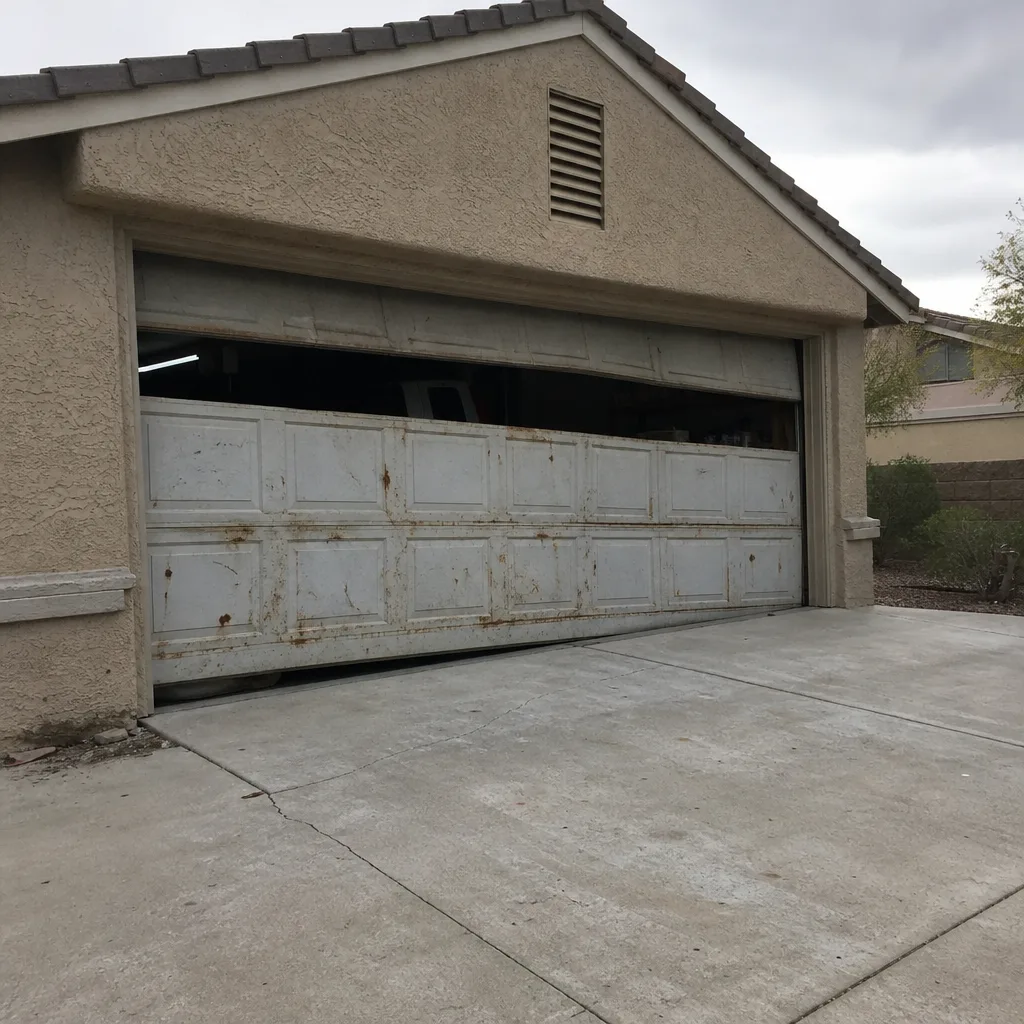 Before
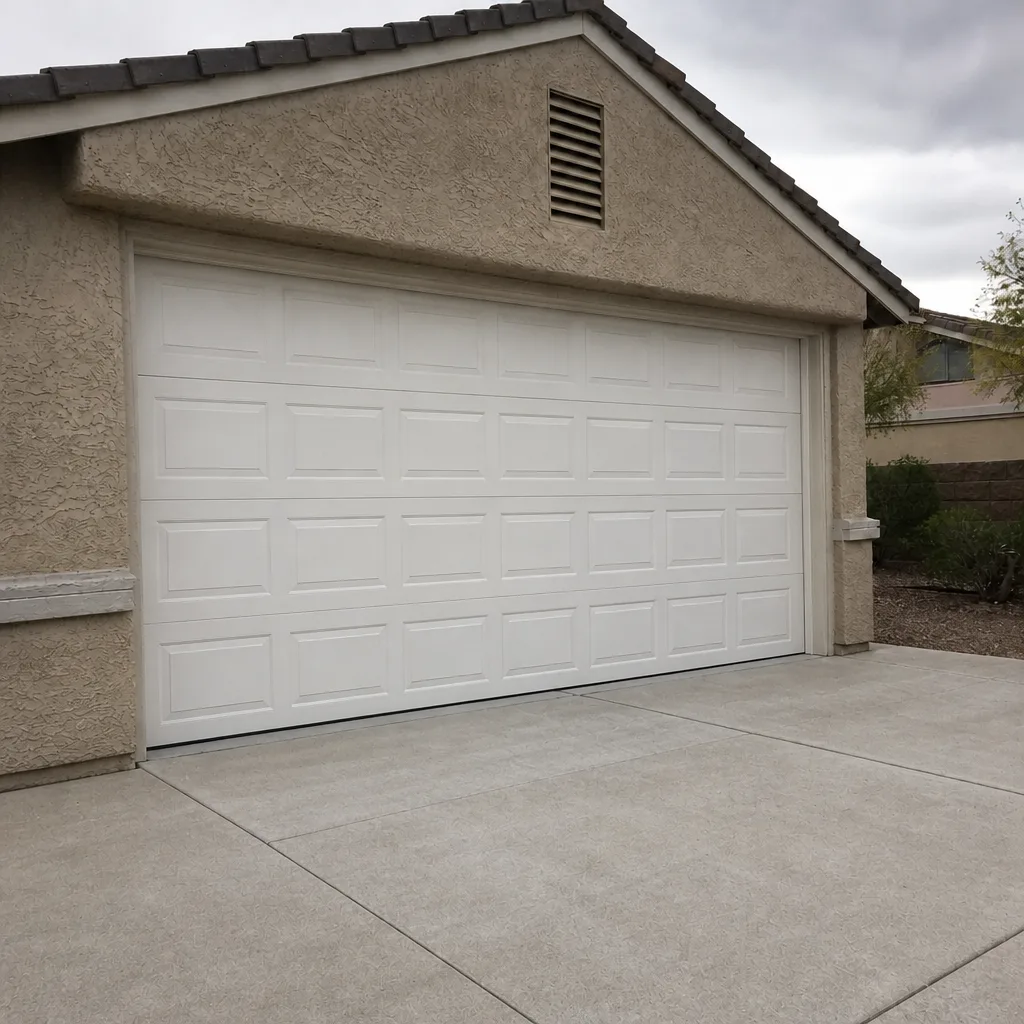 After
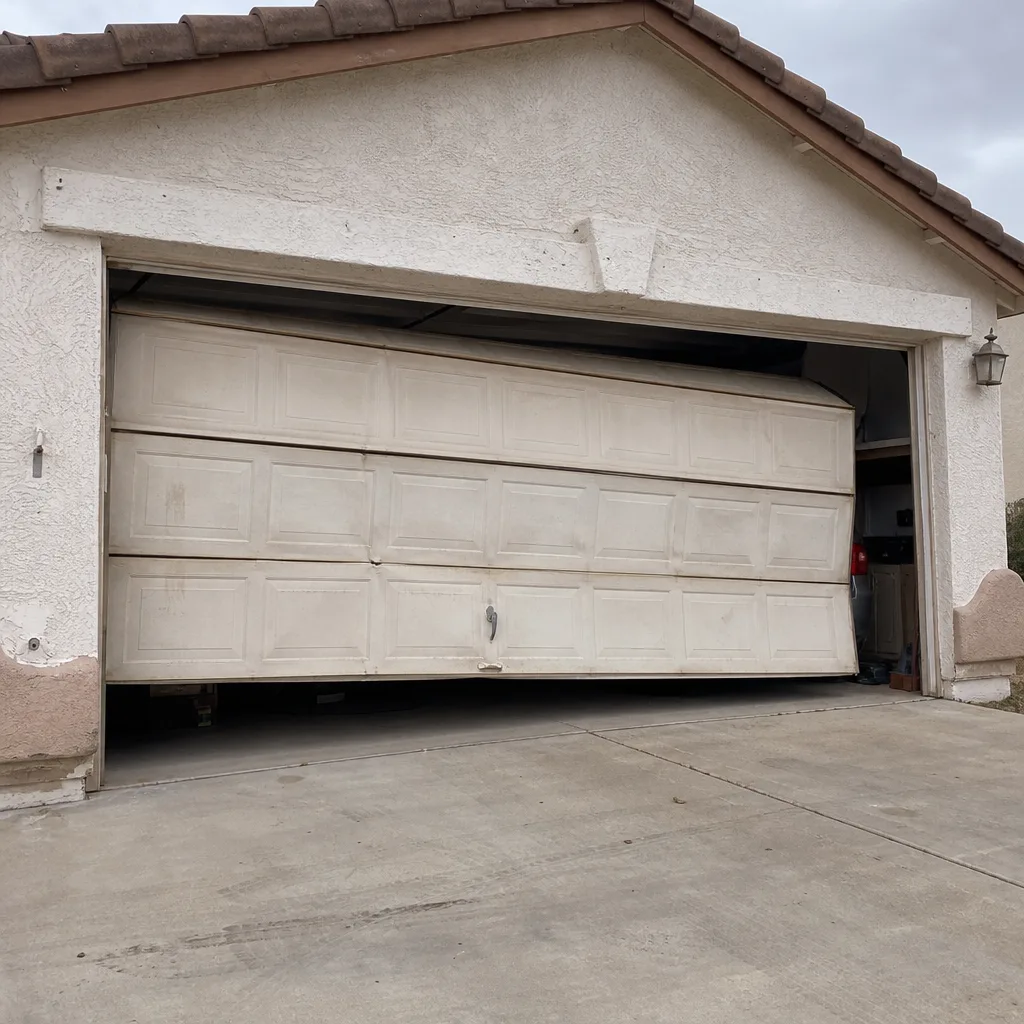 Before
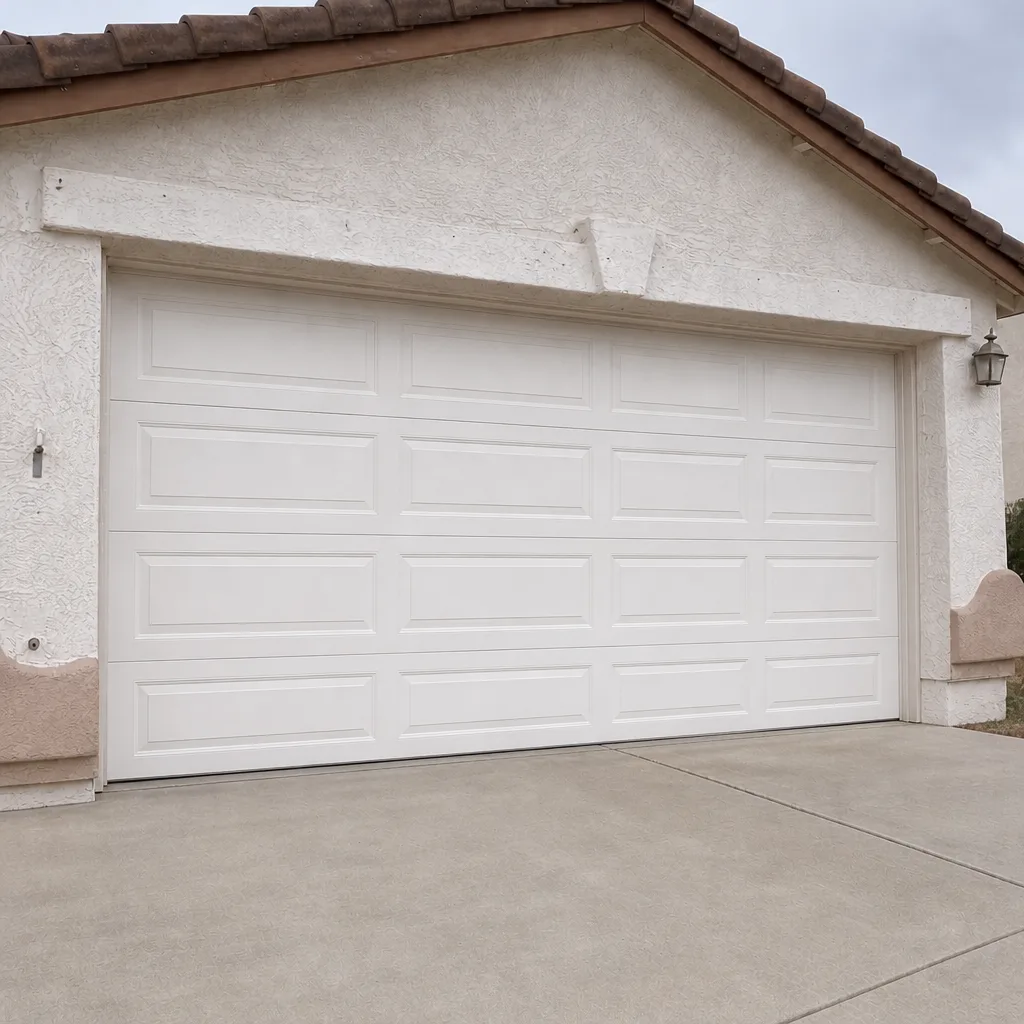 After
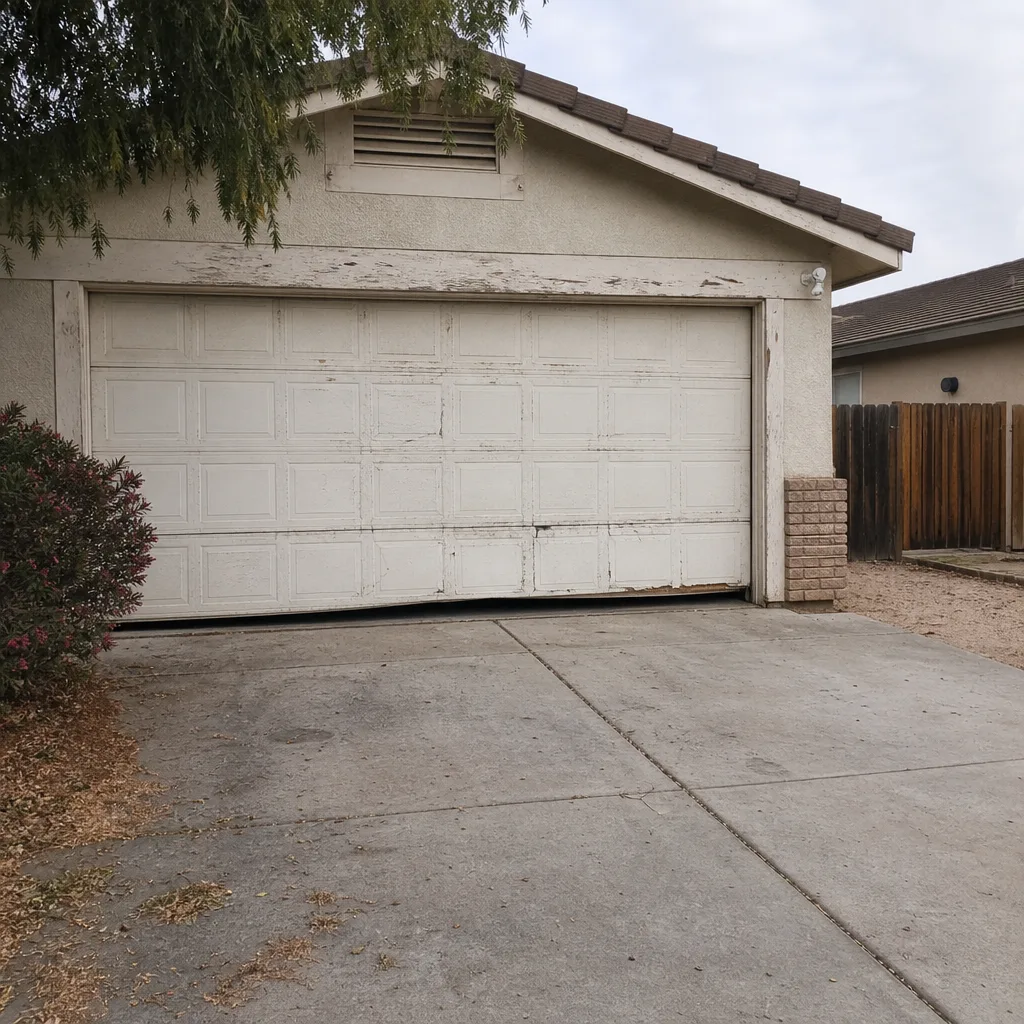 Before
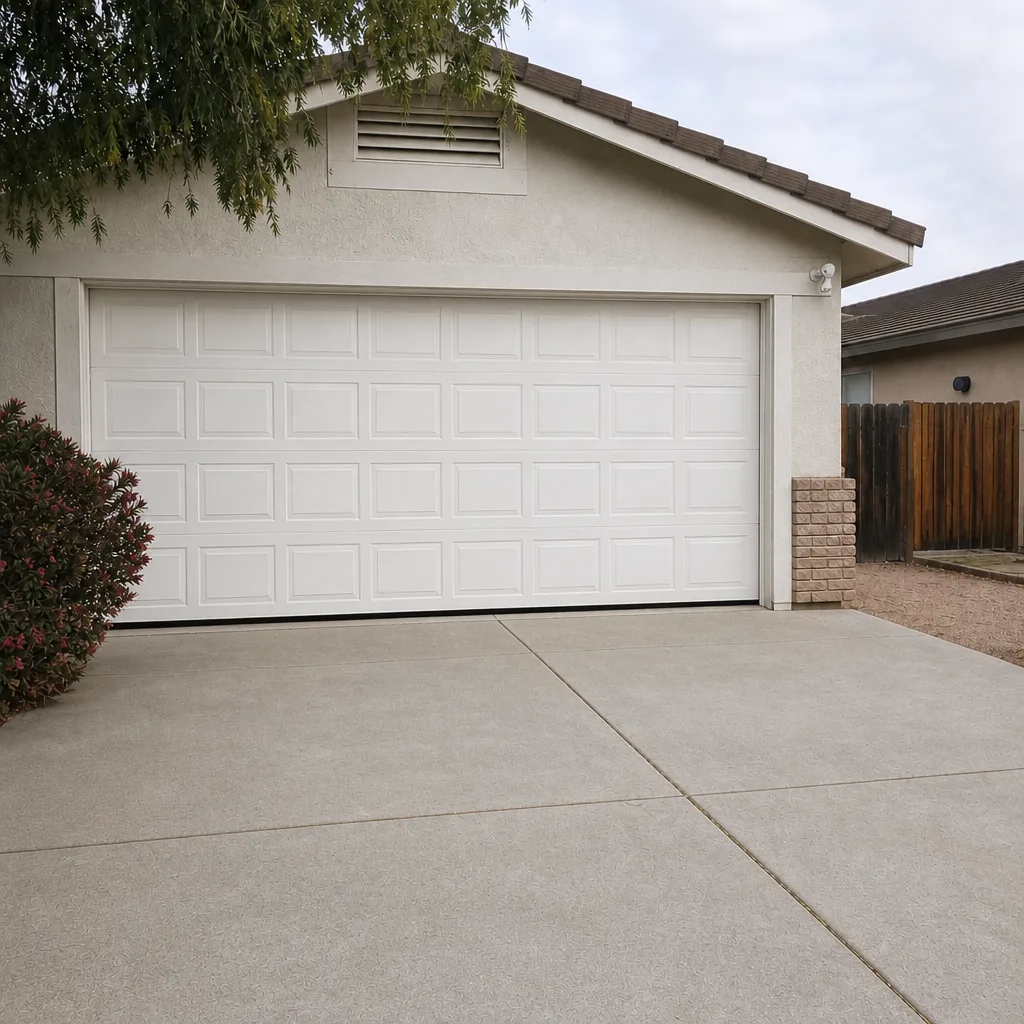 After
When to Call a Professional
Call a professional when the scope of the job is anything beyond a like-for-like swap, when the opening size is changing, when the header or framing is being touched, when the existing door was installed by a previous owner without documentation, or when the garage shares a wall with the living space and the fire separation is in question. Also call when you’re unsure whether the doors you’re considering, from brands like Clopay, Amarr, or Wayne Dalton, will fit the existing opening without structural work; a proper measure and site assessment at the estimate stage tells you definitively.
Mariner Garage Door Repair offers free estimates in Goodyear. Call (844) 834-1797. We answer 24/7. Fast dispatch from 7am to 7pm, Sunday through Friday.
Frequently Asked Questions
Maybe. If you’re replacing a door with the same size unit in the same opening and the header and anchorage are unchanged, you typically don’t need a city permit. If the opening size changes, the header is modified, or new structural blocking is added, a permit and inspection are usually required. Confirm with the City of Goodyear building department before work starts. Call (844) 834-1797 for a free estimate and we’ll help you determine which category your project falls into.
Yes, if your neighborhood has architectural guidelines, and most of Goodyear’s planned communities do. HOA approval covers door style and color, not structural safety, so it’s a separate process from a city permit. Submit the HOA request before ordering the door so you’re not stuck if the committee asks for a different style. Call (844) 834-1797 for a free estimate if you’re still choosing the door.
The most immediate problem is the inspection finding during a home sale, which can delay escrow or require the work to be redone. There’s no automatic knock on the door for a small residential job, but the consequences surface later and are usually more expensive to fix than pulling the permit at the time. Call (844) 834-1797 if you’re dealing with a door a previous owner installed without documentation.
Pull the permit history for the address, contact the City of Goodyear building department, and open a conversation about bringing the existing work into compliance. The department will usually schedule an inspection; if the structural work passes, a permit and final can be issued. If corrections are needed, they’re typically small (fasteners, blocking, header reinforcement). Call (844) 834-1797 and we’ll walk you through the process.
Inspectors look at the header sizing and attachment, the anchorage of the track and spring anchor plate, the structural connections of new blocking, and the electrical rough-in if an opener circuit is being installed. If the door shares a wall with the living space, they also check the fire separation at that wall. Call (844) 834-1797 for a free estimate if you’d like us to look at any of those points before the inspection.
It can, if the garage is attached to the living space. The wall and the door between the garage and the house are subject to fire separation requirements, and any change to that wall triggers an inspection of those elements. Replacing the overhead vehicle door itself is usually separate from that requirement. Call (844) 834-1797 for a free estimate if you’re planning work on the garage-to-house wall.
The Bottom Line
A garage door replacement in Goodyear is permit-free when it’s a true like-for-like swap in an unchanged opening. Any structural change, any opening size change, or any new load the original framing wasn’t designed for usually requires a permit and an inspection. HOA approval is a separate process from city permits, and both matter. Keep your inspection paperwork, address any prior unpermitted work before a sale, and confirm the fire separation on any garage shared with the living space. When you’re ready to estimate the project, call (844) 834-1797. We answer 24/7. Fast dispatch from 7am to 7pm, Sunday through Friday. Free estimates, every time.
Written by the team at Mariner Garage Door Repair.