
Last updated November 15, 2026
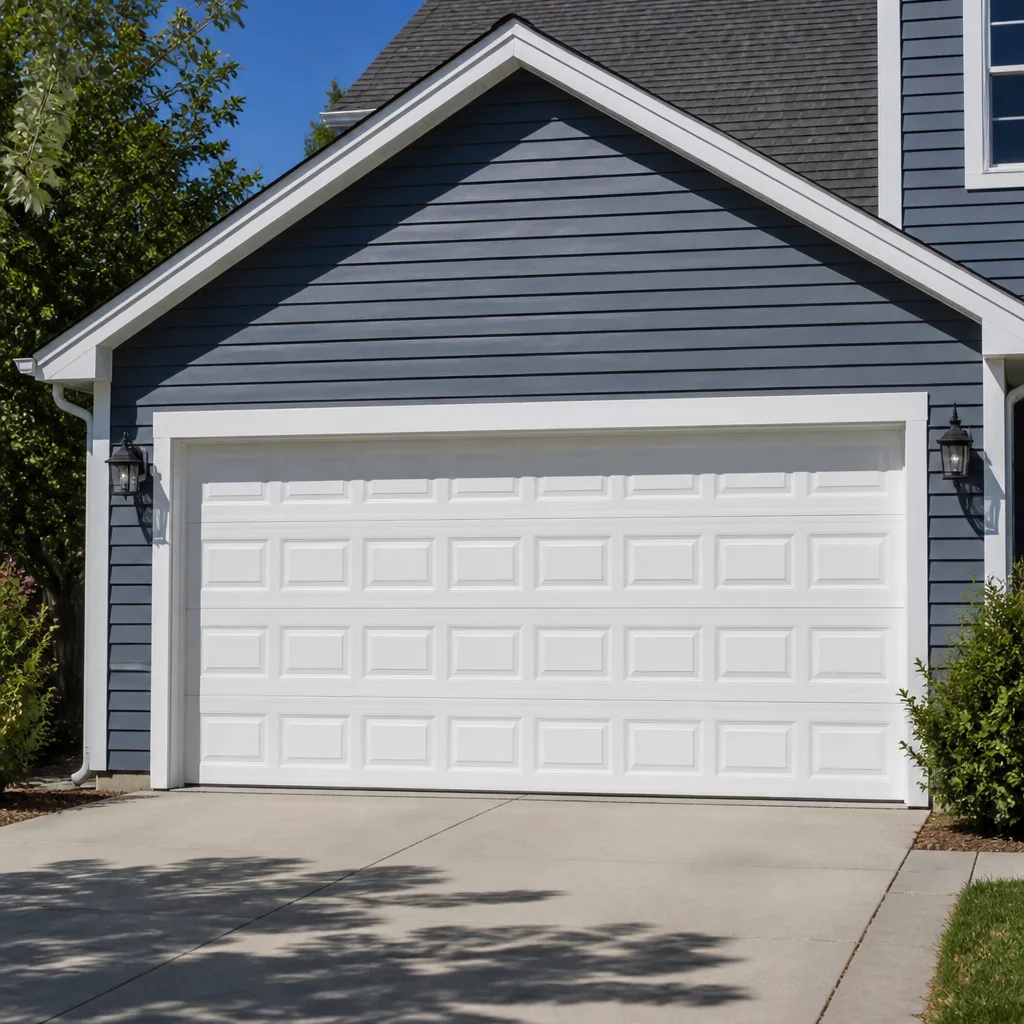 Raised-panel steel
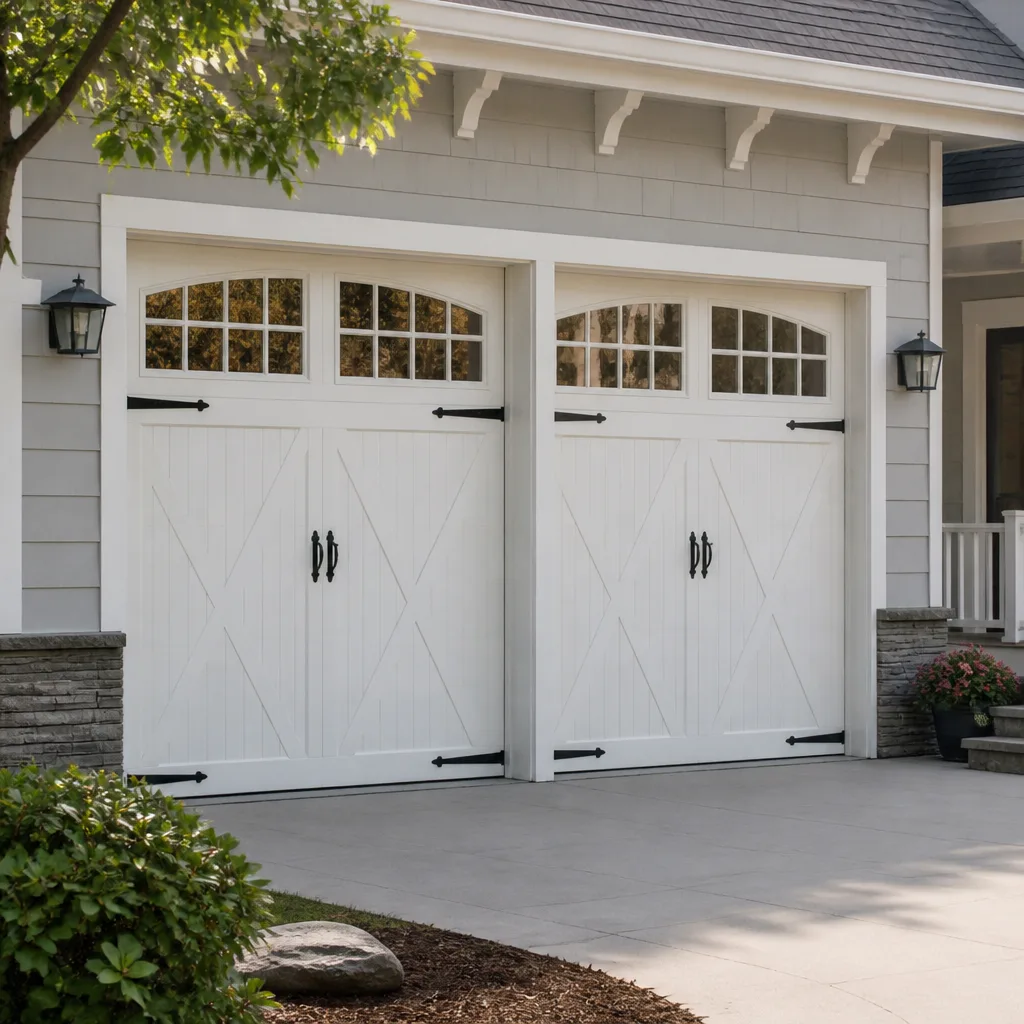 Carriage house
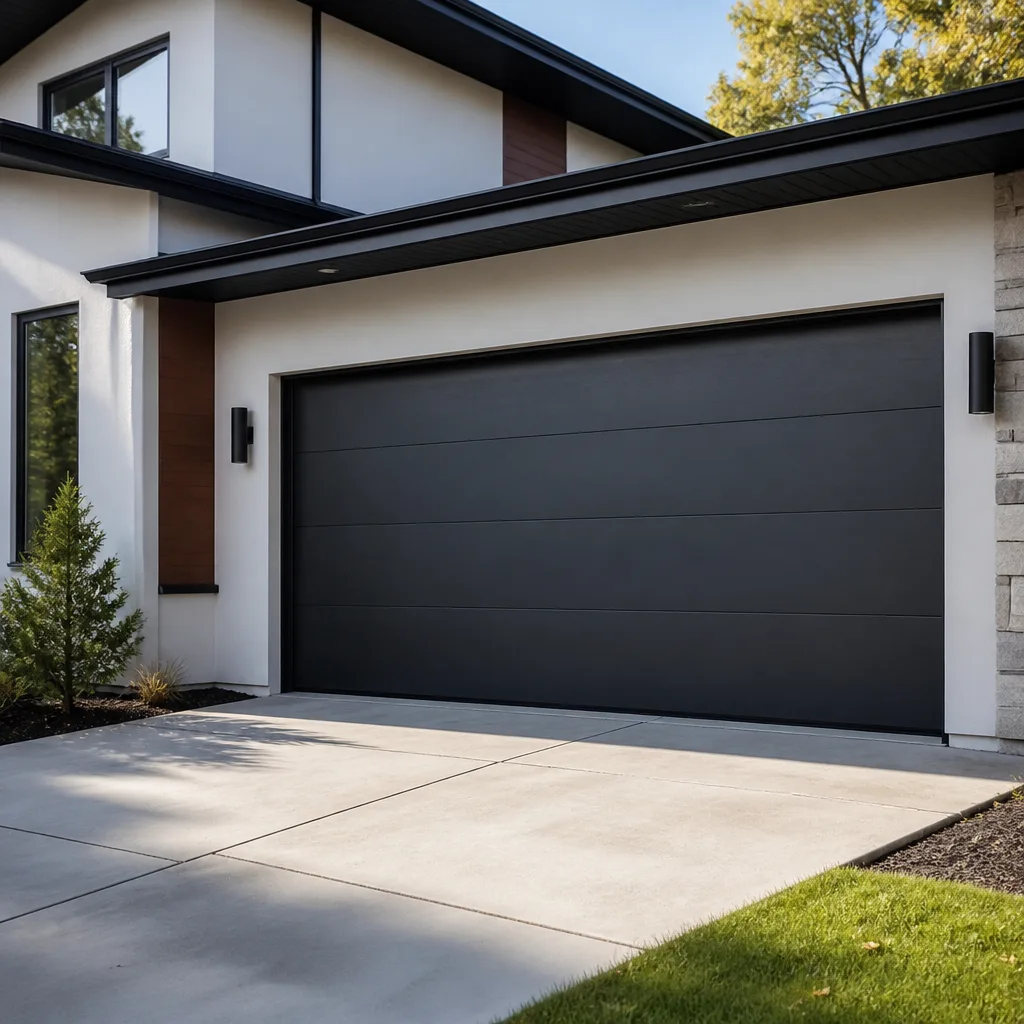 Modern flush
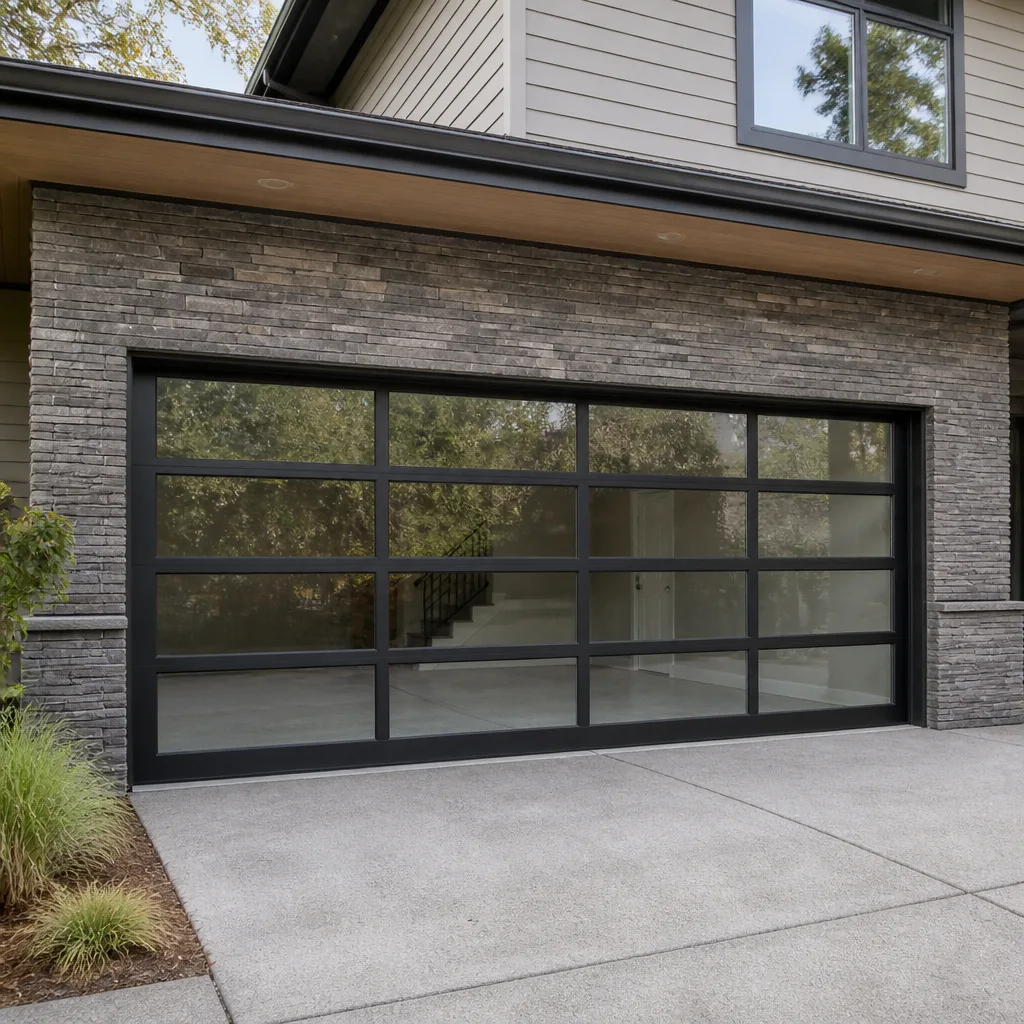 Full-view glass
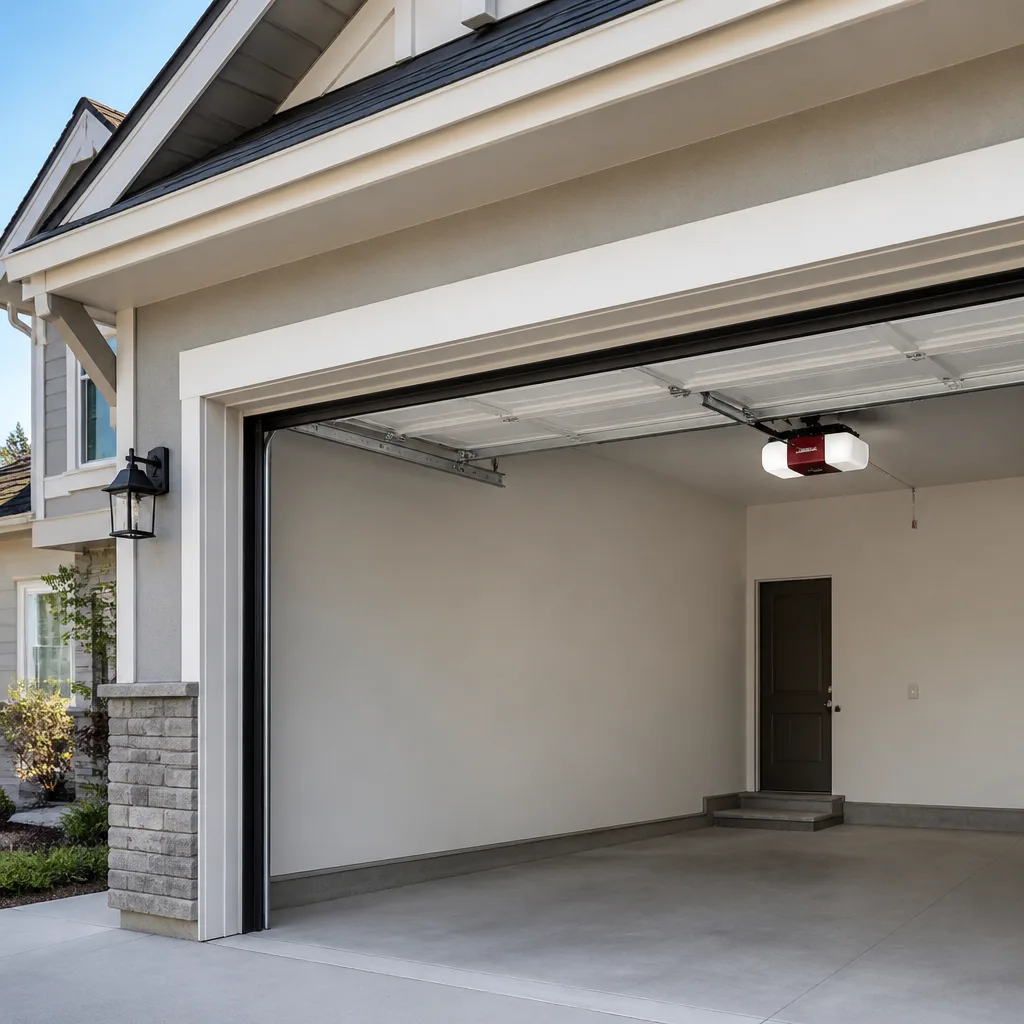 LiftMaster openers
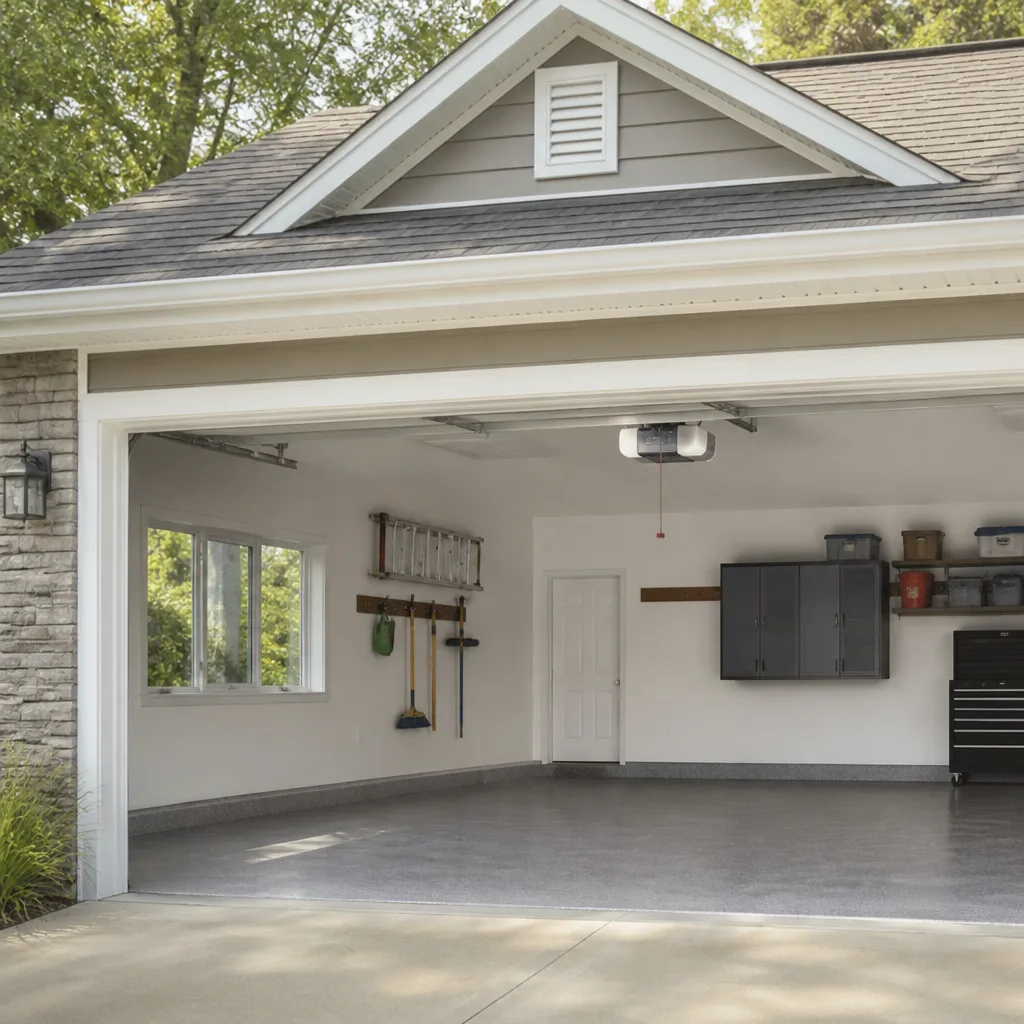 Chamberlain openers
Full 25-point door and opener safety check with every visit - springs, cables, rollers, tracks, and your LiftMaster or Chamberlain opener included
You get a price before we start. It does not change when the pro arrives.
Get your free estimateThe Complete Guide to Garage Doors in Goodyear
Most garage door advice you’ll find online was written for a country that doesn’t exist here. It assumes four seasons, wood rot, and salt on the roads. Goodyear has none of those things. What it has is sustained heat that cooks lubricant out of hinges, a monsoon season that finds every gap in a bottom seal, and master-planned communities where the HOA has an opinion about the color of your door before you’ve even priced one. This guide covers what actually matters for a door in Goodyear: how to figure out what you own, what breaks and when, how heat and dust change the maintenance calendar, and how to choose a replacement that survives here.
Quick Answer
A garage door in Goodyear needs three things to last: a torsion spring system sized for the door’s actual weight, insulated panels rated for sustained heat rather than a mild climate, and a bottom seal that seals against blown dust and monsoon runoff. Most failures we see trace back to one of those three being wrong from the day the door was hung. If your door is more than a few years old and you’ve never read its data plate, start there. Replacement is a measured, ordered, scheduled job; repair is usually the faster call.
Styles & brands we work with
- Raised-panel steel
- Carriage house
- Modern flush
- Full-view glass
- LiftMaster openers
- Chamberlain openers
Table of Contents
- What Door Do You Actually Own?
- How Goodyear’s Neighborhoods Shape Your Door Choices
- Builder-Grade Doors and the 3-to-5 Year Mark
- Heat, Insulation, and What R-Values Really Mean Here
- Monsoon Season and the Bottom Seal Problem
- Openers: Legacy Systems vs. Smart Controls
- Repair or Replace? A Decision Framework
- How to Choose a Garage Door Company in Goodyear
What Door Do You Actually Own?
Before you call anyone, find the data plate. Every residential garage door carries a manufacturer’s label, usually stuck to the inside of the bottom panel or stamped on the end stile, and it tells you more about your door than a hundred photos will. The plate lists the manufacturer, the model number, the panel series, and often the door’s design weight. That information determines which springs fit, which weather seal profiles match, and whether a replacement panel can even be ordered.
Here’s the thing about Goodyear: a large share of the housing stock went up fast during the city’s growth spurt, and the door on your house was chosen by a builder working to a budget, not by you. You inherited a system. Knowing what it is puts you in a much better position than guessing.
Read the plate like this:
- Find the label. Open the door, look on the inside face of the bottom panel first, then along the vertical stiles at the edges.
- Write down the manufacturer and model number exactly. Model numbers have suffixes that matter; copy the whole string.
- Note the door width and height from the plate or measure the opening itself. Springs are sized to the door, and a wrong spring is dangerous, not just ineffective.
- Check the spring type. Torsion springs mount on a shaft above the door; extension springs run along the sides. The two need different parts and different repair approaches.
- Photograph everything before you call. The plate, the spring assembly, the opener motor label, and the track where it meets the wall.
If your door is a Clopay, Amarr, Wayne Dalton, or Raynor product, the model number is usually enough to identify panels and hardware. We work on all of those, plus the opener brands that came with them.
One caution worth stating plainly: do not attempt to adjust, remove, or “tighten” a torsion spring yourself. The springs and cables on a garage door are under enough tension to cause serious injury, and they’re the leading cause of garage door injuries nationwide. Leave that work to a trained technician.
How Goodyear’s Neighborhoods Shape Your Door Choices
Goodyear isn’t one housing market; it’s several, and they don’t share the same rules. A door decision in Estrella is a different decision than one in Palm Valley. If you’re replacing a door, check your community’s architectural guidelines before you fall in love with a color.
Estrella and Estrella Mountain Ranch
The master-planned communities on the south side tend toward defined architectural styles, and the design review process usually wants to see a submittal before installation. Material and color choices get scrutinized more closely here than in older parts of town. Steel panel doors in desert-friendly tones are generally the safe path; a bold custom color usually needs approval first.
Palm Valley
Palm Valley’s neighborhoods include some older builds mixed with newer infill. Doors here often sit on wider lots, which means sun exposure varies street by street. A west-facing door takes a beating in a way an east-facing one doesn’t, and that changes how often hardware needs attention.
Wigwam and the Historic Core
Older parts of Goodyear near the Wigwam area have smaller garages and doors of a vintage that replacement panels may no longer be made for. If you’re in an older home, the practical question often becomes whether to match the original look with a custom build or update to a modern door the HOA will accept.
The rule across all of them: call your HOA’s architectural contact before you order. Getting a color approved after the door arrives is a headache nobody needs. If you’re not sure which community rules apply, the city and your HOA management company can tell you, and any honest installer will ask you the same question before writing an order.
Builder-Grade Doors and the 3-to-5 Year Mark
A builder-grade garage door is engineered to hit a price point, and there’s nothing wrong with that in principle. The problem is what happens in a desert after a few years of temperature swings between a 110°F afternoon and a cool winter morning. Certain weak points show up on a fairly predictable timeline.
What we typically see at the 3-to-5 year mark in Goodyear tract homes:
- Nylon rollers wear flat. Builder doors usually ship with nylon rollers, which are quiet but deform under heat cycling. Worn rollers make the door drag and sound like it’s grinding. Steel rollers with sealed bearings are the usual fix.
- Hinges dry out. The lubricant in a factory hinge cooks off. Dry hinges wear at the knuckle and eventually squeal. A yearly lubrication with the right product slows this considerably.
- Bottom seals harden and split. The vinyl or rubber astragal at the floor takes the worst of it – direct sun, hot concrete, and a decade of daily contact. A hardened seal stops sealing.
- Springs lose tension gradually. A torsion spring doesn’t usually snap without warning; it weakens. A door that suddenly feels heavy or won’t stay open when you lift it halfway is telling you something.
- Opener gear and logic board problems. Chain-drive units in particular develop gear wear, and older openers with travel-limit switches drift out of adjustment.
The good news is that all of these are cheap fixes when caught early and expensive ones when ignored. A door that’s been dragging on worn rollers for a year puts extra load on the spring, and a spring doing extra work wears out faster. That’s the pattern worth breaking.
Heat, Insulation, and What R-Values Really Mean Here
Insulation values are usually quoted for a climate with a real winter. Here, the point of insulation is different. It’s less about keeping heat in during a cold snap and more about reducing heat transfer into an attached garage that shares walls with the house, and about keeping the door panel itself from flexing under sustained heat. An insulated door is also quieter and physically stiffer, which matters for a wider door.
What to know before you shop:
- R-values vary widely by construction. A single-layer steel door with no insulation is essentially an R-value of almost nothing. Double-layer doors (steel skin over a polystyrene core) land in the middle. Triple-layer doors with polyurethane cores reach the higher ratings.
- Ask for the manufacturer’s published value, not the salesperson’s. Insulation performance depends on core thickness and material, and a number without a source is marketing.
- Panels matter as much as the core. A thermally broken panel design separates the inner and outer skins so heat doesn’t conduct straight through the steel. That detail is worth asking about directly.
- Seals count toward the total. An insulated door with a bad perimeter seal leaks air regardless of the core rating.
For most Goodyear homes, a double-layer or triple-layer door is a sensible middle ground, especially if the garage shares a wall with a bedroom or living space. If your garage is detached or unconditioned and you’re not in it much, the money may be better spent on hardware quality. A brand like Clopay or Amarr publishes clear spec sheets for each model, and comparing those sheets side by side is more useful than comparing brochures.
One local reality worth naming: hardware exposed to a west-facing wall in full afternoon sun runs hotter than the ambient air temperature. Metal expands. Screws back out. Weatherstripping dries. That’s why the maintenance routine on this guide matters more than it would in a milder climate, and why buying the cheapest hinge set isn’t a savings.
Monsoon Season and the Bottom Seal Problem
Goodyear’s summer storms are short, intense, and typically arrive with wind. That combination drives rain sideways at a garage door rather than straight down, and the bottom seal is the first line of defense. Most garage door guides barely mention it. Here it deserves its own section.
What a monsoon does to a door:
- Driven rain finds the gap between seal and slab. A flat, hardened seal that has lost its compression won’t block blown water. Water wicks under the door and sits on the garage floor.
- Wind pushes dust and grit under the door. The grit abrades the seal every time the door closes, which is why a seal that’s fine in a mild climate can fail faster here.
- Panel seams and jamb sealant crack. UV exposure hardens caulk. When it cracks, water enters behind the trim.
- Drainage matters. If the apron in front of your garage slopes toward the door instead of away, no seal will keep heavy runoff out. That’s a concrete question, not a door question, but a good installer will flag it.
On seal selection: a rubber or EPDM bulb seal generally outperforms cheap vinyl in heat, because it stays flexible longer and compresses better against an uneven slab. If your floor has a low spot, a bulb seal with a larger profile fills that gap in a way a thin strip can’t.
The wise habit is to check your seal every spring, before monsoon season, and again after the first big storm of the summer. Open the door, look at the seal from underneath, and check for flattening, cracking, or a visible gap at the slab. It’s a five-minute look that prevents a wet garage floor and a rusting door.
Openers: Legacy Systems vs. Smart Controls
An opener is a motor, a rail, and a logic board, and in Goodyear it also lives in a hot garage that can far exceed the outdoor temperature when the sun is on the door. Heat is the quiet killer of opener electronics, and it’s why a unit that’s “rated for garages” still ages faster here than in a temperate climate.
The two families of openers you’ll find in local homes:
- Legacy belt and chain-drive units from Craftsman and Genie. These are simple, repairable, and often still going strong. Common failures are worn drive gears, failed travel-limit adjustments, safety sensor mismatches, and dead wall buttons. Parts are usually available.
- Smart and connected systems from LiftMaster and Chamberlain, including myQ-enabled models. These add Wi-Fi, app control, and sometimes battery backup. The mechanical parts fail the same way as any opener; the electronics add new failure modes like pairing issues, firmware quirks, and sensor alignment problems.
The practical advice: don’t replace a good opener because it’s “old.” Repair it if the parts exist. Do replace it when the logic board is obsolete and no replacement exists, or when the safety system is failing repeatedly. And whatever you choose, make sure the safety reverse system is tested monthly. Put a small block of wood on the floor, close the door, and confirm it reverses on contact. That test takes thirty seconds and it’s the single most important maintenance item on an opener.
If you’re diagnosing a problem with the opener, we can help. Our garage door opener repair service covers both legacy and smart platforms, so you’re not asked to replace a working unit just because it’s a few generations old.
Repair or Replace? A Decision Framework
This is the question most homeowners actually have. Here’s how to think it through, in order.
- Count what’s failing. A broken spring on an otherwise healthy door is a repair. A door with two broken panels, a bent track, worn rollers, a failing seal, and an opener on its last legs is a replacement. Add up the repairs and compare.
- Check panel availability. If the manufacturer still makes your panel and the color hasn’t been discontinued, repair is realistic. If it’s an old model, a custom panel or full replacement may be the only path.
- Assess the door’s structural condition. Rust at the bottom panel, cracks at panel joints, or sagging are signs the door is near its end. A track that’s been bumped out of plumb can sometimes be realigned; a distorted one usually can’t.
- Look at your energy picture. An uninsulated door on a house you’re in long-term is a candidate for replacement, especially with an attached garage.
- Consider your plan. If you’re staying, invest in a door that will last. If you’re selling in a year, a repair that makes the door safe and functional is usually the smarter call.
Repair is usually the right answer for a single failure on a sound door. Replacement makes sense when the cost of repairs approaches the cost of a new door, or when the door is structurally unsalvageable. Replacement is a measured, ordered, scheduled job – the door is built to your opening, and the written estimate is the price. It’s not something that happens the same day you call.
If you’re leaning toward repair, our garage door repair page walks through what that visit looks like. If you’re leaning toward replacement, we can measure and give you a written price for a door spec’d for Goodyear conditions.
How to Choose a Garage Door Company in Goodyear
Anyone can claim to be a garage door expert. The job is to find out whether they actually are. There’s a set of questions that separates the specialists from the generalists.
- Do they work on your brand? A company fluent across Wayne Dalton, Craftsman, LiftMaster, and Raynor – and the rest of the major brands – can diagnose what you have rather than pushing you toward what they sell. Single-brand dealers have an obvious incentive.
- Do they give a written estimate before work begins? The price should be agreed in writing, before a technician touches the door. A verbal number that grows when the bill arrives is a red flag.
- Is the company licensed and insured? Ask, and don’t accept a vague answer. Any reputable company in Arizona can show proof.
- Do they handle both repair and installation? A company that does both can advise you honestly about which path makes sense, because they’re not steering you toward the only service they offer. Mariner Garage Door Repair covers repair, opener repair, and full installation under one name.
- Do they ask about your HOA before ordering? In Goodyear, a good installer asks this before anything gets ordered.
- Do they explain the failure? A diagnosis should come with a plain-language explanation of what failed and why, not just a price.
Since Mariner is a garage-door-only company, the depth of knowledge is a bit different from a handyman who also does fences and drywall. Our technicians have up to 11 years of experience working on the eight major brands, from a broken spring to a full new-door install. That’s the single-call resolution most homeowners are looking for when their door stops working on a Sunday.
Common Mistakes to Avoid
- Ordering a door before checking HOA rules. In Goodyear’s master-planned communities, a color or material that doesn’t match the architectural guidelines can cost you a return and a delay. Call the HOA first, every time.
- Buying the cheapest opener available. Heat is hard on electronics, and low-end openers have fewer heat-related safeguards. It’s the one part of the system where a little extra goes a long way.
- Ignoring a slow-starting door. A door that pauses, jerks, or feels heavy is telling you the spring or the rollers are in trouble. Waiting usually turns a small repair into a bigger one.
- Packing a torsion spring with the wrong weight rating. Springs are matched to the door’s weight, not “one size fits all.” An oversize or undersize spring does the wrong job and can fail prematurely.
- Putting off the seal check until after the first storm. Monsoon damage to a bottom seal is usually preventable. Check it in spring, before the storms arrive.
- Using the door as a daily entry if the opener is failing. Skipping the opener and lifting the door by hand puts more wear on the spring and the hinges. Fix the opener.
- Calling a generalist for a torsion spring job. If the technician can’t explain the door’s spring type, weight rating, and panel configuration in plain language, it’s worth a second call to a specialist.
See the difference
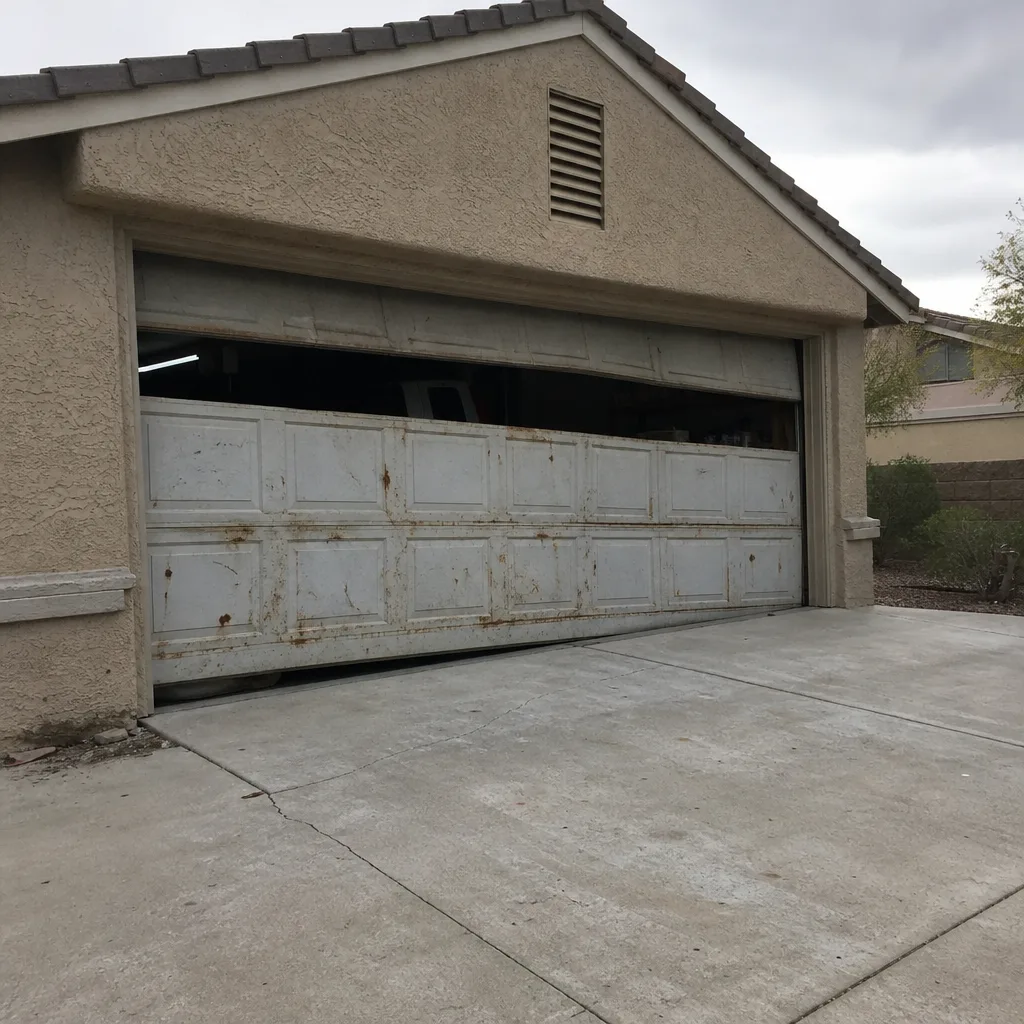 Before
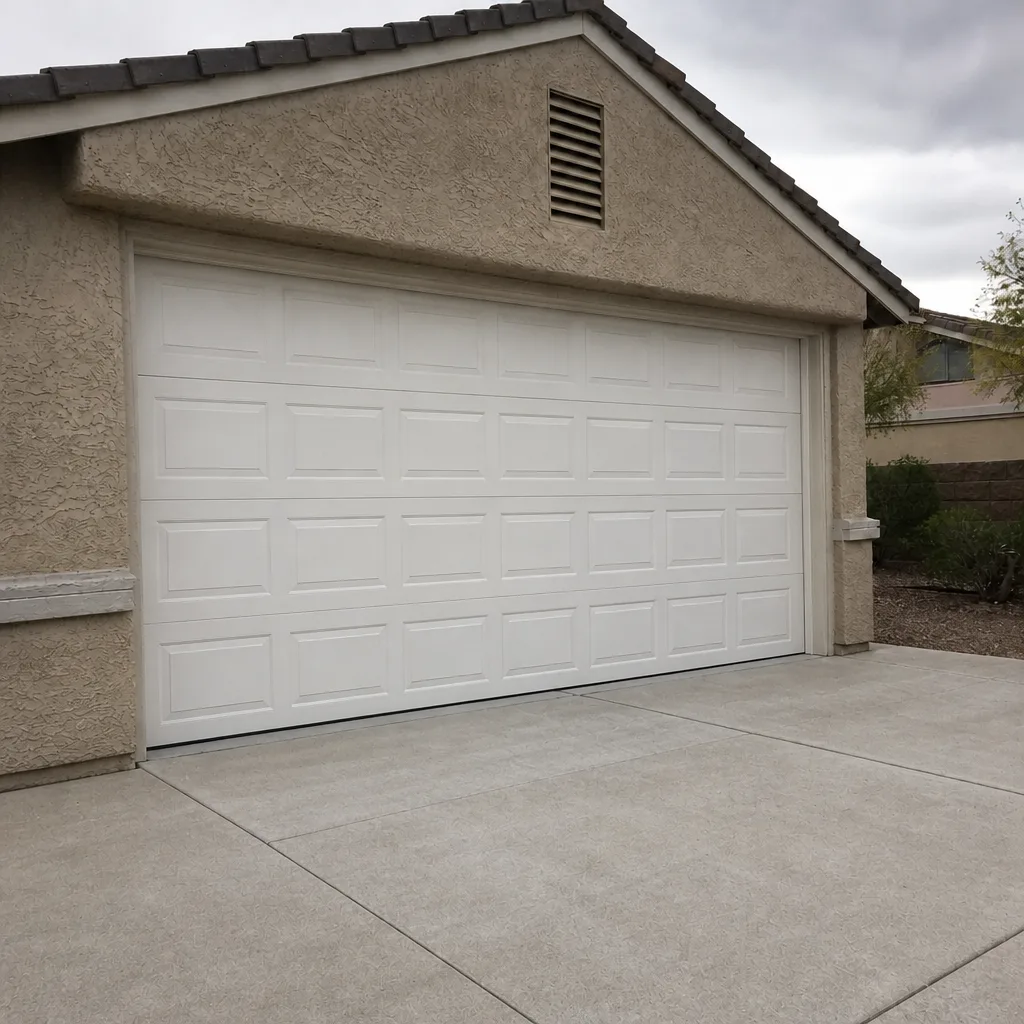 After
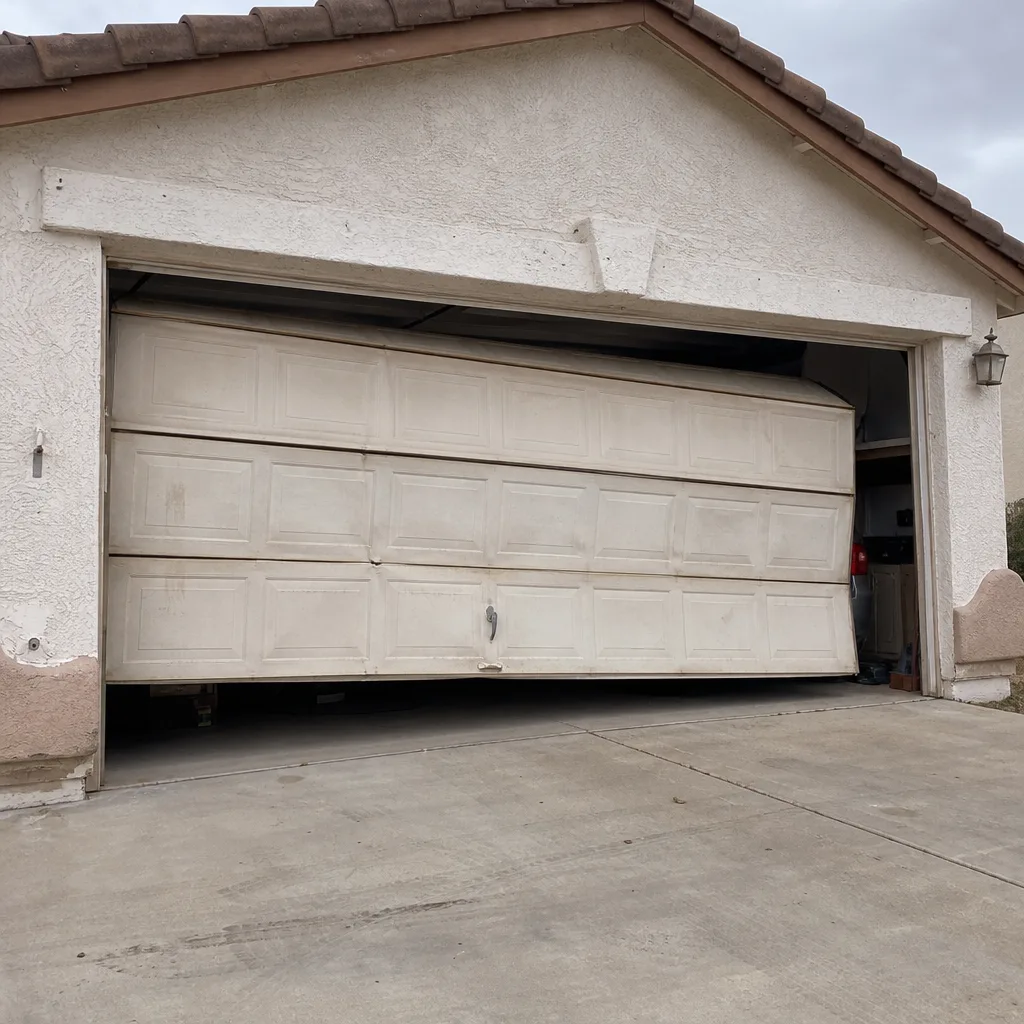 Before
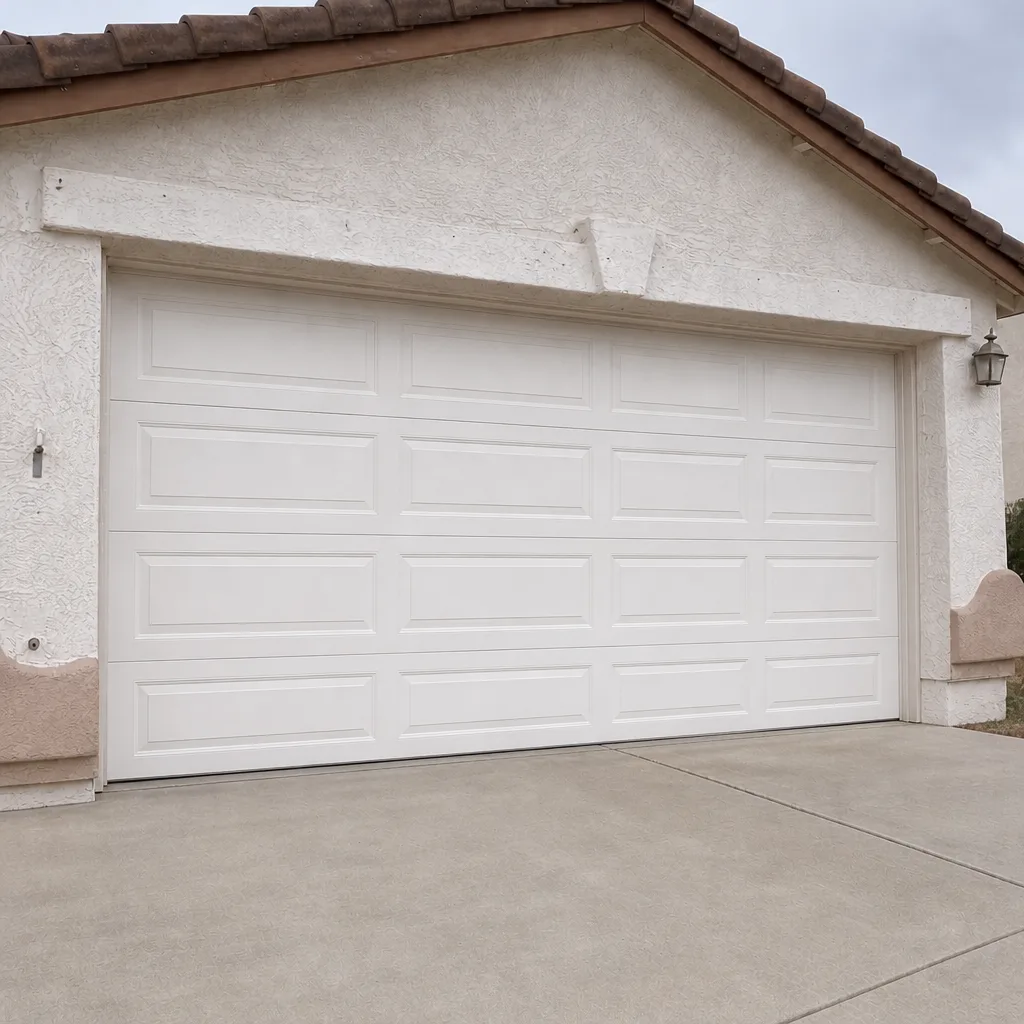 After
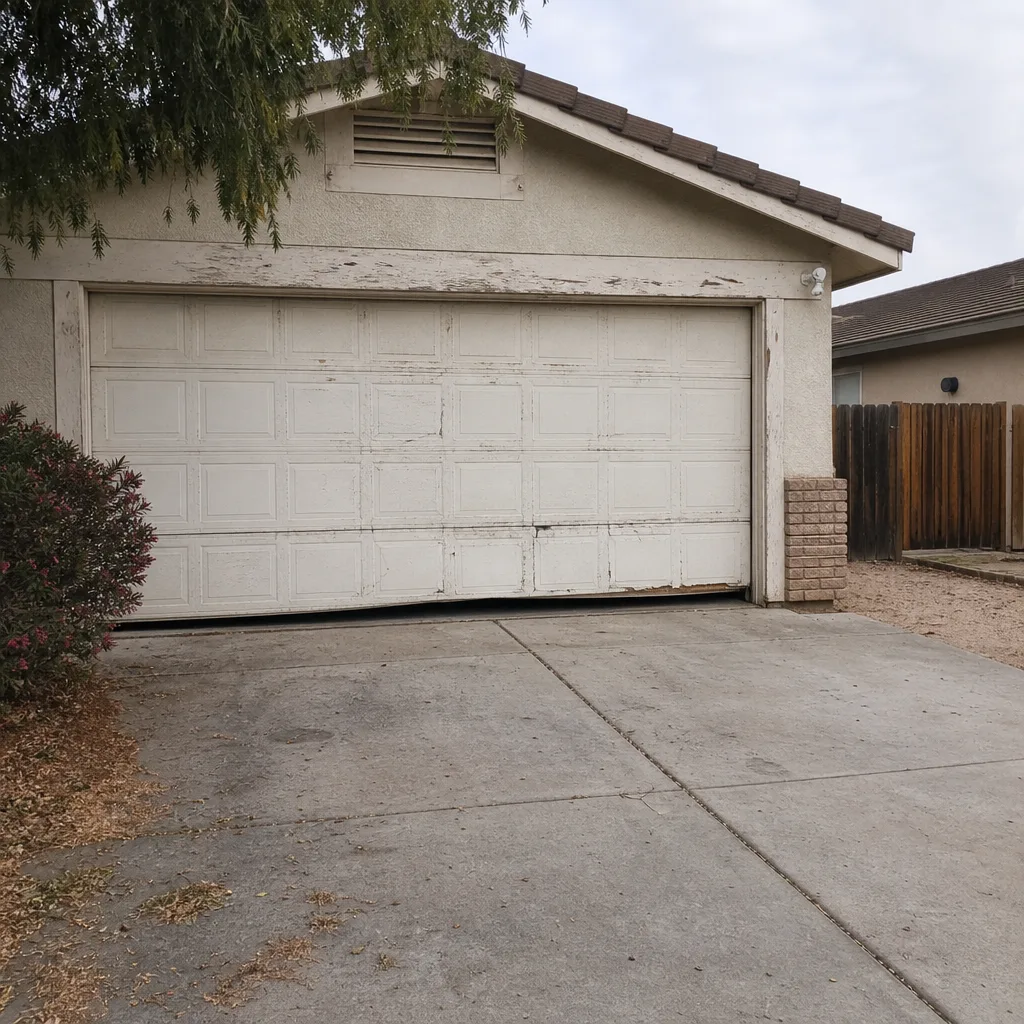 Before
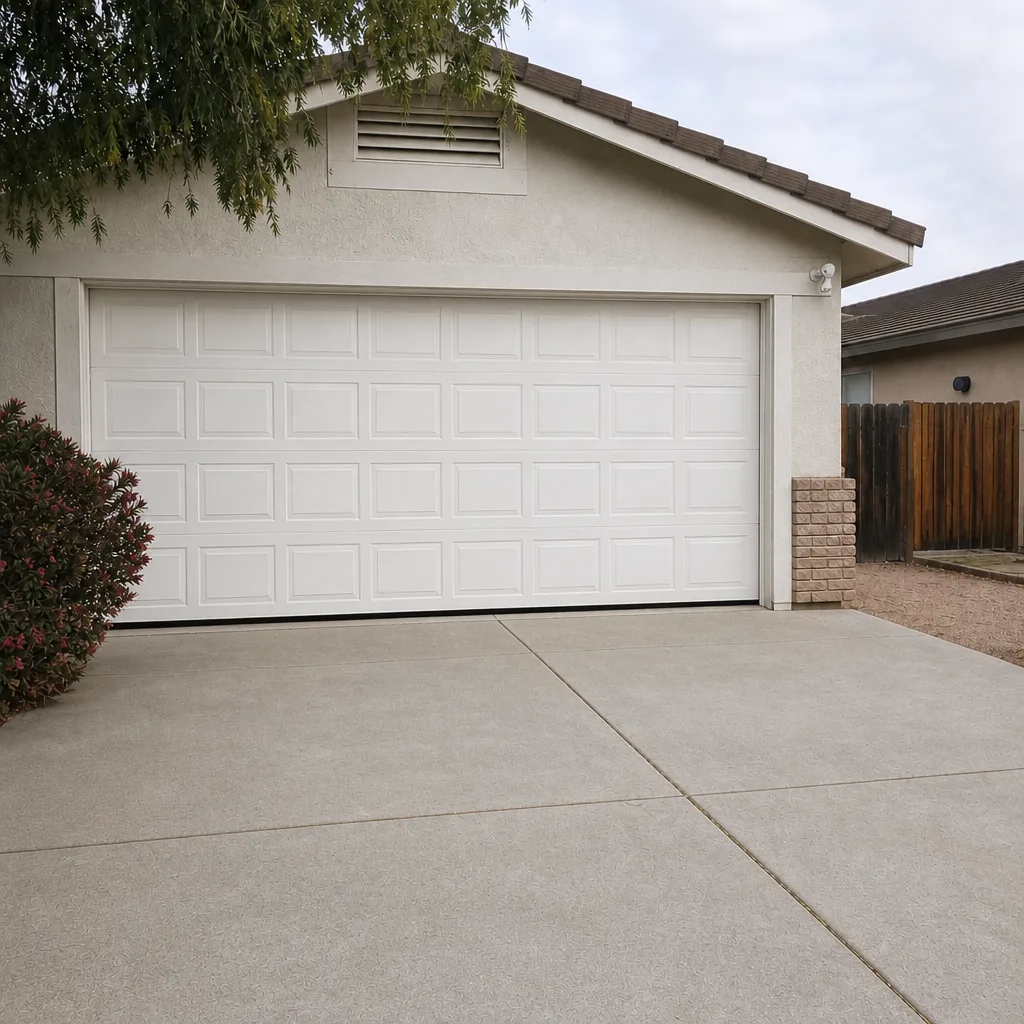 After
When to Call a Professional
Some jobs are homeowner territory. Lubrication, visual inspection, and seal checks don’t require a technician. But a broken torsion spring, a door that’s off-track, a door that closes on its own, or a cable that’s slipped should get a call promptly. Those are genuinely dangerous components, and the risk of injury from a loaded spring is real.
If your door is stuck open and won’t close, if the opener runs but the door doesn’t move, if you hear a loud bang from the garage, or if the door is visibly crooked, stop using it and call. We answer 24/7. Fast dispatch from 7am to 7pm, Sunday through Friday (we’re closed Saturday). Mariner Garage Door Repair offers free estimates in Goodyear, and the price is set by the written estimate before any work starts. Call (844) 834-1797 to book a visit.
If you’re not in Goodyear proper, or you’re wondering whether we cover your neighborhood, the Goodyear service page has the details, and a call is the fastest way to confirm.
Frequently Asked Questions
Replacement costs depend on door size, material (steel is the standard here), insulation level, and the hardware package, so the written estimate is the only number that counts. A free measure gives you a firm written price, and that number is agreed before anything is ordered. Call (844) 834-1797 and we’ll schedule the measure and go over options that suit your HOA and your door opening.
We answer 24/7 and dispatch fast, 7am to 7pm, Sunday through Friday; we’re closed Saturday. Spring repairs are usually the fastest visit to get scheduled because they don’t require ordering parts. Call (844) 834-1797 and we’ll get you on the schedule. If you’re calling outside dispatch hours, we’ll book you into the next opening.
No, the price you’re quoted in the written estimate is the price you pay, provided the job matches what was described. The written estimate is what sets the price, and it’s agreed before work begins. If a hidden problem shows up, you’ll hear about it before anything changes. Call (844) 834-1797 for a free estimate.
Yes. We’re state-licensed and insured, and we’re happy to provide proof when you ask. Our technicians have up to 11 years of experience, and we work exclusively on garage doors. Call (844) 834-1797 if you have questions before booking.
Yes. Craftsman is one of the eight major brands we service, along with LiftMaster, Chamberlain, Genie, Clopay, Amarr, Wayne Dalton, and Raynor. We diagnose the problem before recommending a fix, so you’re not pushed toward replacement if a repair makes sense. Call (844) 834-1797 to describe what’s happening.
Yes. Sustained heat and big seasonal temperature swings wear lubricant out of hinges, harden bottom seals, and stress opener electronics – more so than in a milder climate. A yearly lubrication routine and a spring seal check are the two habits that make the biggest difference. If you’re not sure what condition your door is in, a service visit is worth it. Call (844) 834-1797 to schedule a free estimate.
The Bottom Line
Your garage door in Goodyear is part of a system, and the system here faces specific pressures. The heat cooks hardware, the monsoon tests seals, and the neighborhood you live in shapes what you can actually install. The single most useful thing you can do is find your door’s data plate and understand what you own. After that, catch small problems early – worn rollers, dry hinges, a hardening seal – because each one protects the springs and the opener behind it. And when you do need help, whether it’s garage door repair or a full replacement, work with a company that knows garage doors, all the major brands, and the difference between the two. Mariner Garage Door Repair can quote a repair or a new door, plainly and in writing, any day you need it.
Call (844) 834-1797 for a free estimate. We answer 24/7. Fast dispatch from 7am to 7pm, Sunday through Friday. To see all our garage door services, visit Mariner Garage Door Repair.
Written by the team at Mariner Garage Door Repair.