
Last updated November 15, 2026
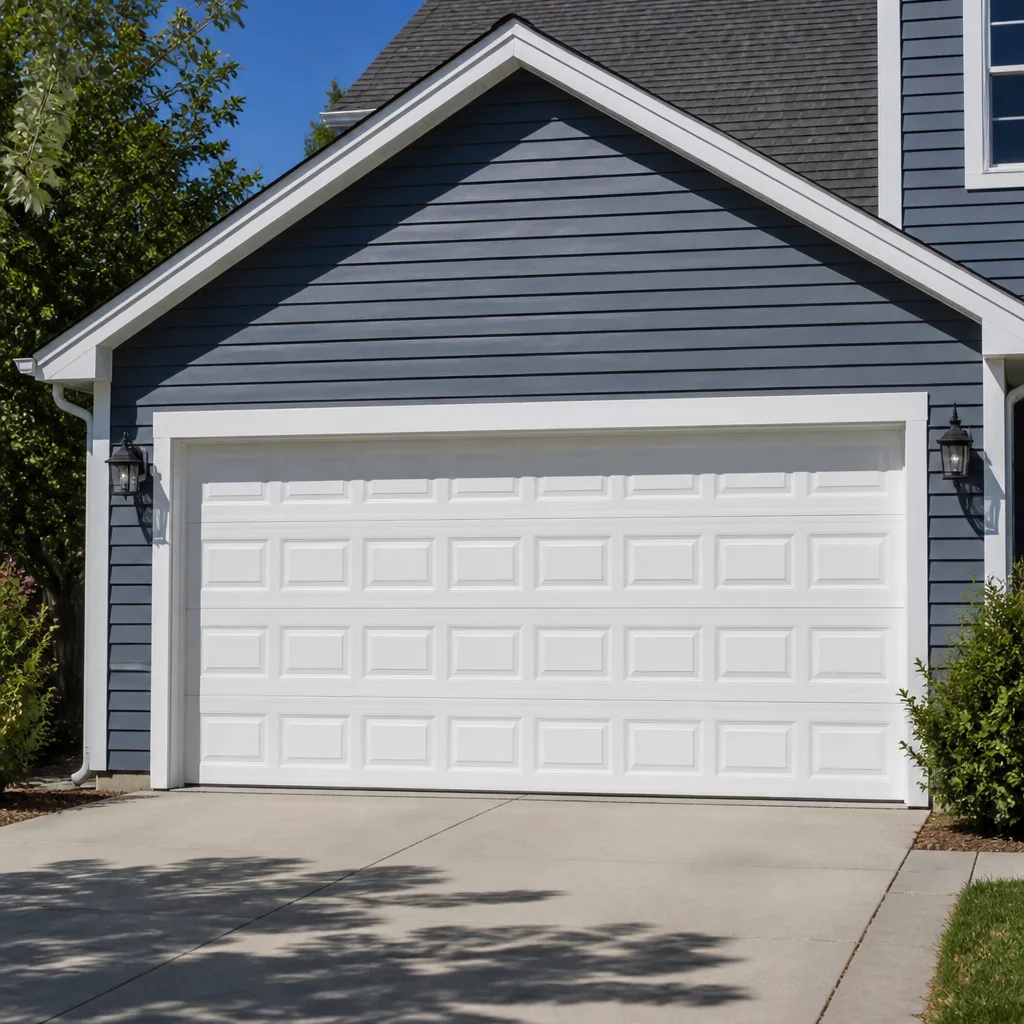 Raised-panel steel
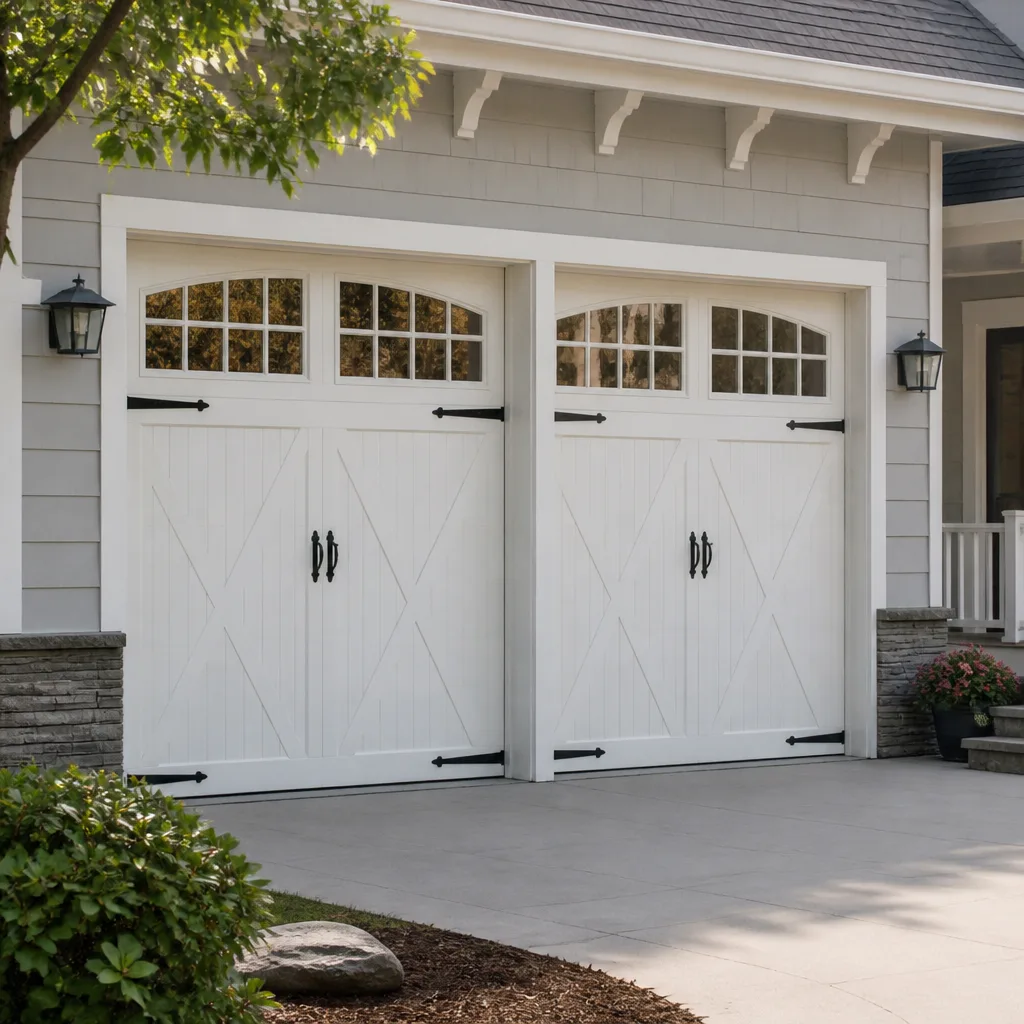 Carriage house
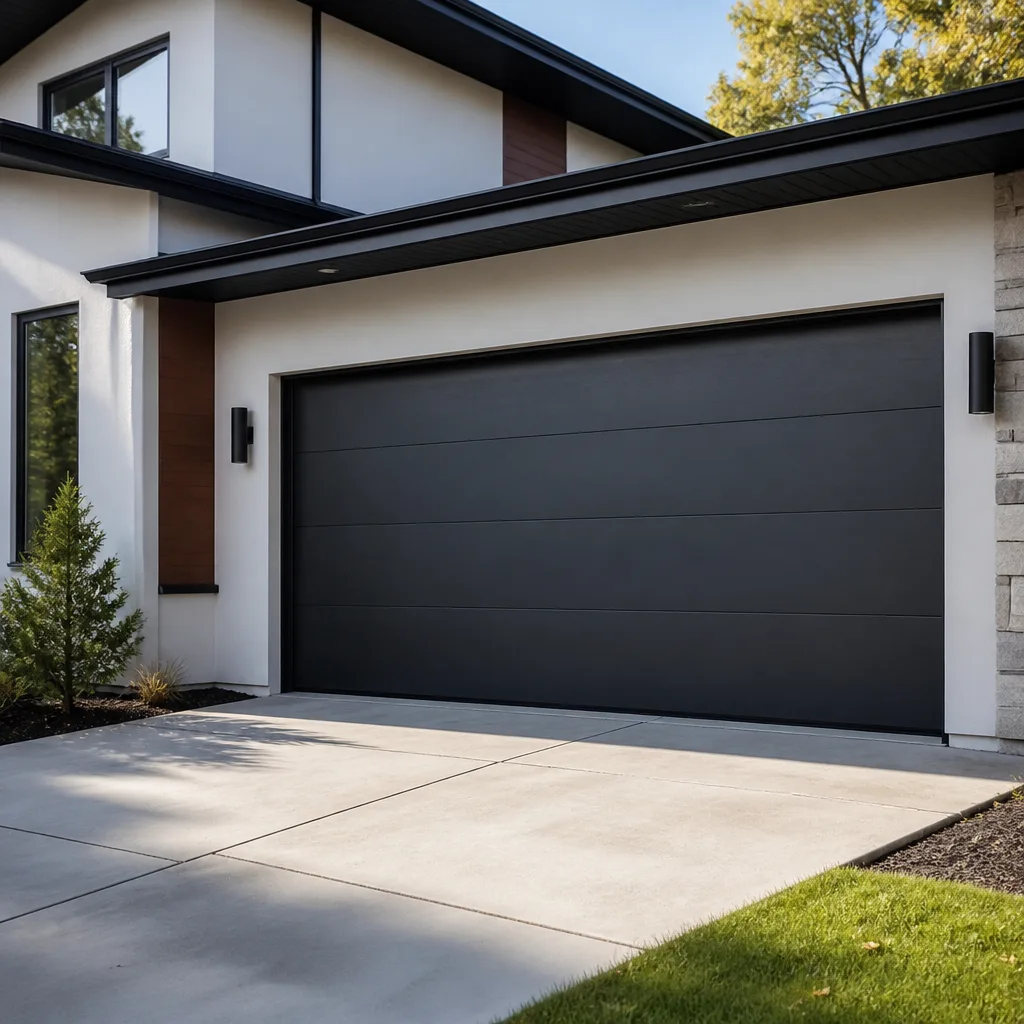 Modern flush
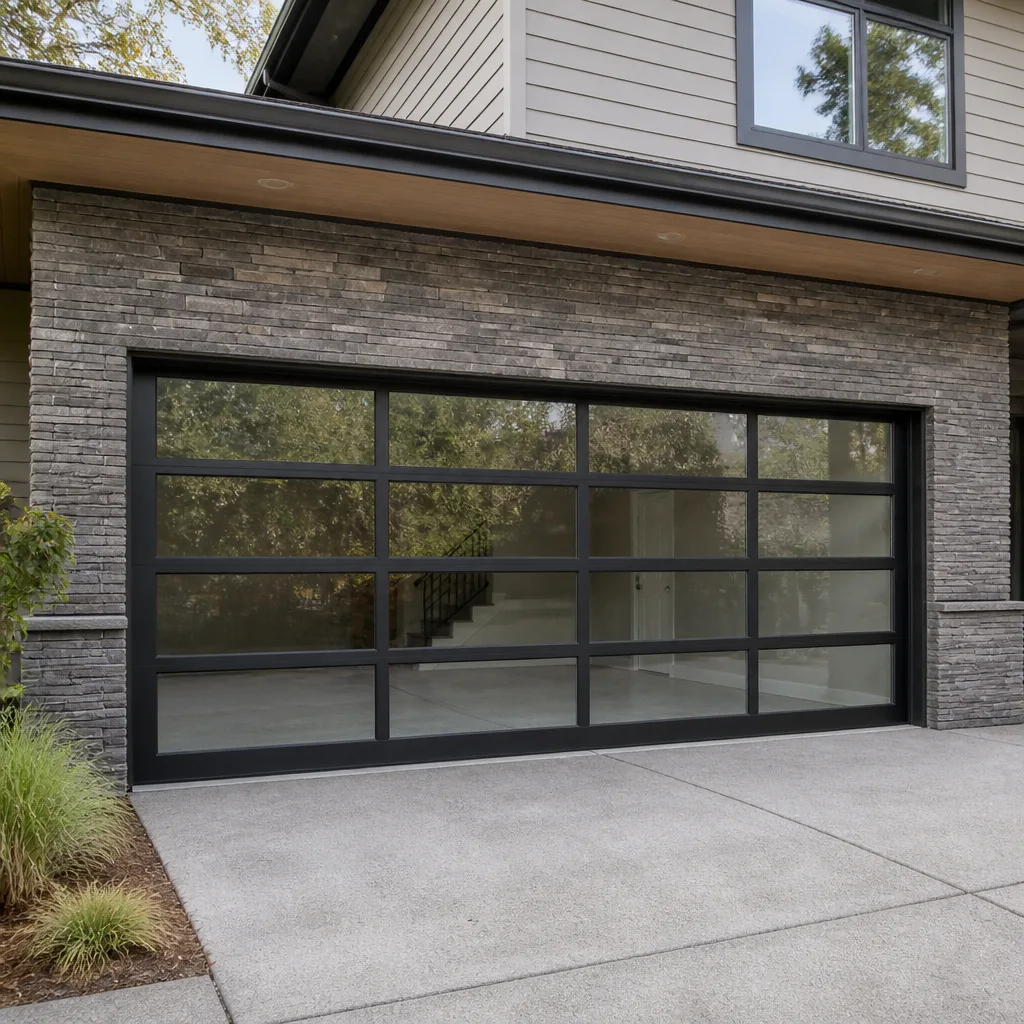 Full-view glass
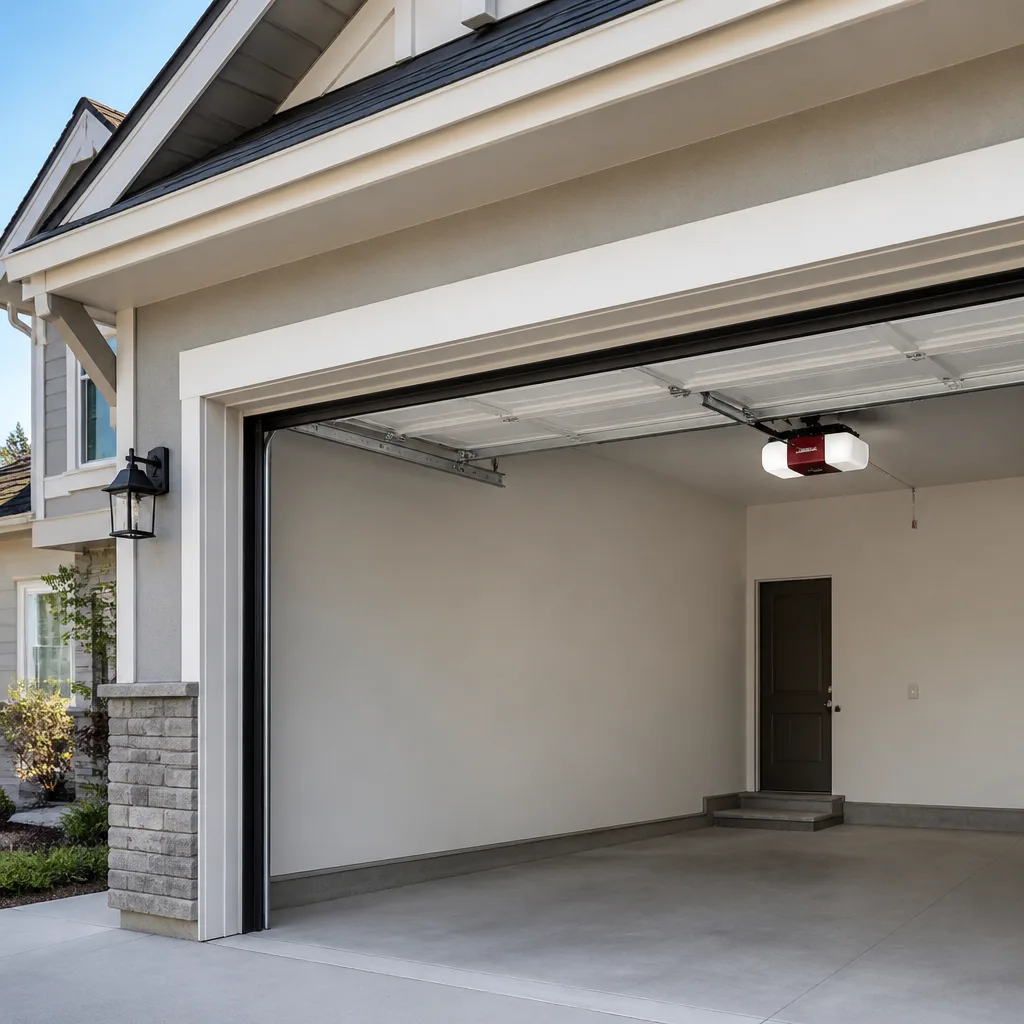 LiftMaster openers
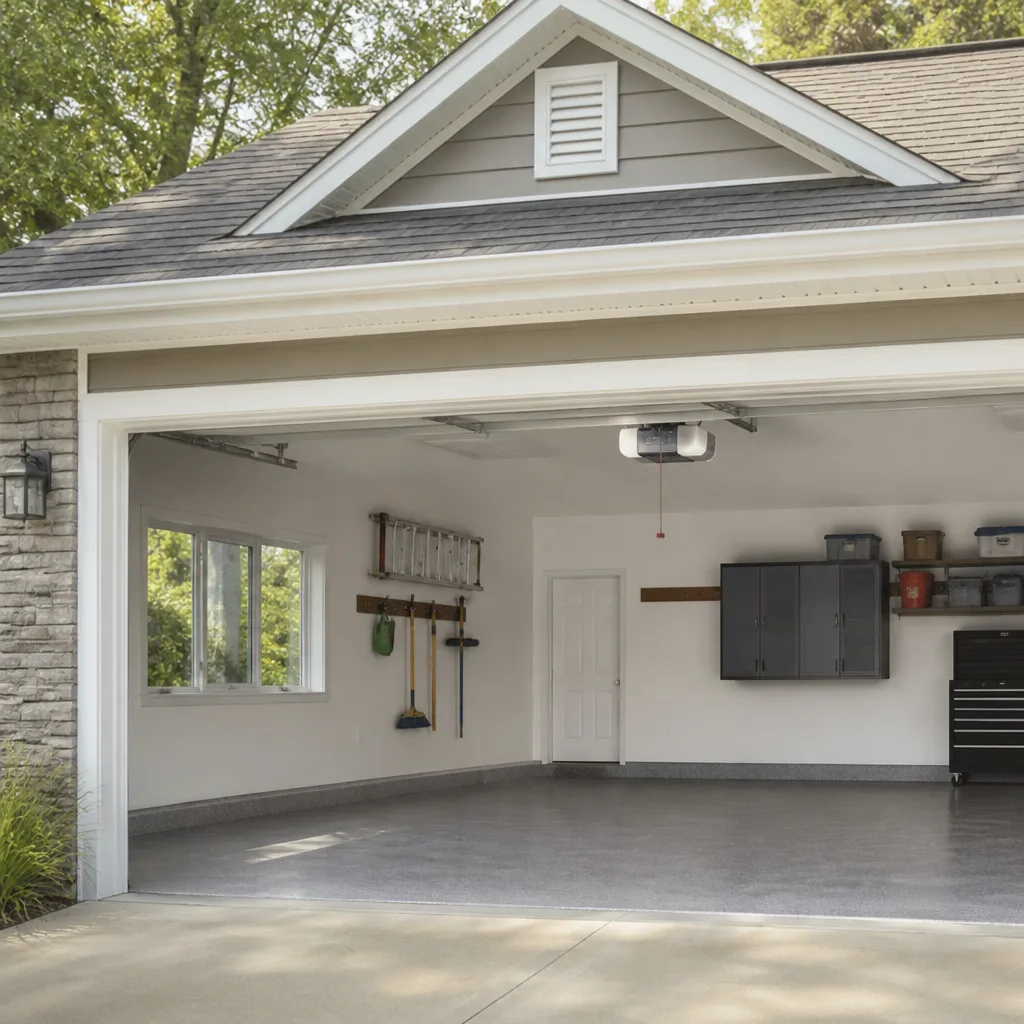 Chamberlain openers
Full 25-point door and opener safety check with every visit - springs, cables, rollers, tracks, and your LiftMaster or Chamberlain opener included
You get a price before we start. It does not change when the pro arrives.
Get your free estimateChoosing the Right Garage Door Brand: A Buyer’s Guide for Goodyear
Most homeowners in Goodyear start their garage door search by asking which brand is the best. That’s the wrong first question. The right one is which brand is best here: a door with excellent thermal numbers means little if the nearest distributor that stocks its panels is across the Valley, and a “lifetime” finish warranty means little under a sun that never takes a day off. What follows is a working buyer’s guide built around three criteria that actually decide how a door performs and how fast it gets fixed in Goodyear: desert performance, local parts availability, and HOA compatibility. By the end you’ll know how to read a spec sheet honestly, ask the right questions at the counter, and spot the marketing language that hides a thin steel skin.
Quick Answer
The best garage door brand for a Goodyear home is the one that combines a genuinely insulated, properly gauged steel door with parts that local technicians can actually source, and a panel and color profile your HOA will approve. Amarr, Clopay, and Wayne Dalton all offer residential lines that clear that bar, but the specific model and gauge matter far more than the logo on the box. Get the spec, the gauge, and the local stock situation in writing before you sign anything.
Styles & brands we work with
- Raised-panel steel
- Carriage house
- Modern flush
- Full-view glass
- LiftMaster openers
- Chamberlain openers
Table of Contents
- The Three Criteria That Actually Matter in Goodyear
- How to Read a Thermal Performance Spec for Desert Heat
- Parts Availability: The Reality Check Most Buyers Skip
- Steel Gauge Honesty: Why the Same Brand Can Mean Two Different Doors
- HOA Compatibility: Colors, Panels, and Design Guidelines
- What a “Lifetime Warranty” Actually Covers by Brand
- Matching Your Opener to Your Door
- A Step-by-Step Brand Selection Process
The Three Criteria That Actually Matter in Goodyear
National advertising builds brand recognition. It doesn’t build a door that holds up on the west side of the Valley. When we talk with homeowners in Goodyear about brand selection, we narrow it to three questions, and they’re usually the three a showroom conversation never gets to.
First: desert performance. Goodyear summers run long and hot, and a west-facing garage door bakes in afternoon sun for hours. Insulation value, steel thickness, finish chemistry, and hardware quality all get tested by that, not by a climate chamber in a lab in another state. A door rated well on paper but built with thin steel and a low-grade finish will show the wear first where the sun hits hardest.
Second: local parts availability. A garage door is a system of panels, springs, hinges, rollers, tracks, and hardware. When one piece fails, the repair timeline depends entirely on whether that piece is sitting on a shelf nearby or needs a factory order. In a market like Goodyear, that difference can mean a quick fix or a waiting game. We’ll cover this in depth below.
Third: HOA aesthetic compatibility. Many Goodyear communities have design guidelines covering color, panel profile, window inserts, and hardware. A door that fails the architectural review is a door you can’t install, no matter how good the spec sheet reads. Check the guidelines before you fall in love with a model.
Notice what’s not on the list: national brand prestige. It’s a tiebreaker at best. For the service side of this, see our garage door repair page, which explains how we approach diagnosis and repair across the brands we work on.
How to Read a Thermal Performance Spec for Desert Heat
A “desert climate” rating on a brochure tells you almost nothing. What matters is the actual thermal data, read correctly and matched to how your garage is used.
Manufacturers typically publish an R-value, a measure of resistance to heat flow. Higher is better, but the number is only meaningful when you know three things about how it was derived.
- Whole-door versus center-of-panel. A spec measured at the center of a panel ignores the thermal bridging at the edges, hinges, and frame. Whole-door values are lower but more honest. If a spec doesn’t say which method, ask.
- Insulation type. Polyurethane generally outperforms polystyrene at the same thickness. A door with a modest polyurethane core can beat a thicker polystyrene door on real performance.
- Air infiltration. Thermal resistance is only half the story. A well-insulated door with poor weathersealing still lets hot air in around the perimeter. Sealing quality matters as much as the R-value.
For a Goodyear garage that’s used as a workspace, a gym, or a room that shares a wall with living space, thermal performance is worth prioritizing. For a detached or rarely used garage, it’s a lower priority and you can put the budget toward steel gauge and hardware instead. Ask the dealer for whole-door numbers, not just a panel-center figure, and treat any spec that omits the method as incomplete.
Parts Availability: The Reality Check Most Buyers Skip
Here’s the part of brand selection that never makes it into a showroom pitch. A door’s quality rating describes how it performs on day one. Parts availability describes how it performs on day 900, when a panel is dented or a hinge fails or a spring needs replacing.
Some brands maintain stock at distributors throughout the West Valley, which shortens repair timelines because a technician can often source the part without a factory order. Others run a more centralized model, where replacement panels and proprietary hardware are ordered from the factory. That’s not a knock on the door’s quality; it’s a practical consideration for how you’ll live with it.
How to check before you buy:
- Ask the dealer where replacement panels for that specific model are stocked, and how long a typical factory order takes.
- Ask whether the door uses standard or proprietary hinges, rollers, and springs. Standard hardware is generally faster and easier to source.
- Ask which brands the technician who’ll service the door is certified to work on. Fluency across a brand matters for diagnosis and for getting the right part the first time.
- Ask about springs specifically. Torsion springs are sized to the door, so a good local supply of correctly sized springs makes a difference on the most common repair of all.
Our technicians are certified to work on eight major brands, including Amarr, Wayne Dalton, Clopay, Raynor, LiftMaster, Chamberlain, Genie, and Craftsman. That breadth means we can usually diagnose and fix a door without sending you back out to find a second opinion. For opener-specific issues, our garage door opener repair page covers what we handle.
Steel Gauge Honesty: Why the Same Brand Can Mean Two Different Doors
The single most useful number on a garage door spec sheet is the steel gauge, and it’s the one most buyers never see. Gauge measures steel thickness, and on garage doors it typically ranges from 25-gauge (thinner) to 24-gauge (heavier). A difference of one gauge can mean real differences in dent resistance, rigidity, and how the door holds up over years of use.
Here’s the trap. A manufacturer’s residential line doesn’t have one gauge. It has several, from a builder-grade model up through premium insulated doors. The brand name is the same; the door is not. A homeowner comparing “Brand A” to “Brand B” without comparing model and gauge is comparing logos, not products.
When you shop, do this:
- Ask for the gauge in writing for the specific model quoted, not the brand in general.
- Compare across brands at the same gauge and insulation level, so you’re comparing like to like.
- If a door is in a spot that takes impact (kids, bikes, a tight driveway), lean toward 24-gauge and a stiffer panel.
- Confirm the gauge on the delivered door matches the quote before installation begins.
Thin steel is also where finish problems start. A 25-gauge door with a light finish will dent and weather faster under Goodyear sun than a 24-gauge door with a heavier coating. If you’re choosing between two doors at the same price, the heavier gauge is usually the better long-term buy.
HOA Compatibility: Colors, Panels, and Design Guidelines
Many Goodyear communities operate under HOA design guidelines that govern how a garage door can look. Before you pick a brand, pull the guidelines and read them alongside the manufacturer’s color and panel options. This is where some brands pull ahead simply because they offer more choices.
What the guidelines typically cover:
- Color palette. Approved colors are often limited to specific earth tones, and “close enough” doesn’t count. Compare the manufacturer’s actual color chips to the HOA list.
- Panel profile. Raised-panel versus carriage-house versus flush styles can be specified. Some communities require a particular profile to match the streetscape.
- Windows and inserts. Whether window panels are allowed, and in what style.
- Hardware. Decorative hinges, handles, and straps may be permitted or restricted.
Manufacturers that offer wider color and profile ranges make it easier to satisfy an architectural review without custom work. When we quote a new door in Goodyear, we ask for the HOA guidelines up front so the door we specify has a real chance of approval the first time. If you’re comparing brands primarily on looks, do it against your community’s palette, not against a photo on a manufacturer’s website. And remember: design review approval is required before installation, so build that step into your timeline.
What a “Lifetime Warranty” Actually Covers by Brand
A lifetime warranty sounds absolute. Read the exclusions, and you’ll find it’s usually about the structure, not the finish or the hardware, and the finish is exactly what the desert attacks.
Warranties on garage doors typically break into three layers: structural, finish, and hardware or moving parts. The structural layer usually covers the door’s integrity against defects. The finish layer covers the paint or coating, and “lifetime” finish warranties almost always come with exclusions for fading, chalking, and normal weathering, which are exactly the things high UV and heat accelerate.
What to check before you trust the banner:
- What each layer covers and for how long.
- Whether the finish warranty excludes fading or chalking, and under what conditions.
- Whether hardware, springs, and rollers are covered, and for how long.
- What the claim process requires, including who pays for the part and who pays for the labor.
- Whether the warranty transfers to a new owner.
In a high-UV, high-heat environment, the finish layer is the one most likely to be tested. A warranty that excludes fade is, in practice, a warranty whose finish coverage expires within a few years of real Sun exposure. Read the exclusions as carefully as the headline, and don’t let a lifetime label substitute for a heavier steel gauge and a better finish.
Matching Your Opener to Your Door
The door and the opener are a system. A premium insulated door is heavier, and an undersized or aging opener will struggle with it, which shortens the motor’s life and the door’s. When you choose a brand, factor in the opener that will move it.
Our opener repair work spans both legacy systems and modern connected ones. Craftsman and Genie are common in older Goodyear homes, while LiftMaster and Chamberlain’s myQ platform is common in newer installations with smart-home integration. The brand of opener should match the door weight and the features you actually want: quiet operation, battery backup, smartphone control, or a simple code keypad.
Three practical checks:
- Lift capacity. Confirm the opener is rated for the new door’s weight, including glass or insulation.
- Safety features. Every opener needs a working safety reverse and photo-eye system. If the door changes, the opener’s settings need re-confirming.
- Compatibility. If you’re keeping an existing opener, confirm it can handle the new door; if it can’t, replacement is part of the plan, not an afterthought.
For new installations we measure and order, so the door and opener work together from day one. Installation is scheduled work, not same-day work, which means there’s time to get the door, the opener, and the HOA approval aligned before the truck arrives.
A Step-by-Step Brand Selection Process
Here’s the sequence we recommend to Goodyear homeowners, in the order that avoids the most common regrets.
- Read the HOA guidelines first. Know your color and panel limits before you look at doors.
- Set the door’s job. Is it a thermal priority, an impact priority, or an appearance priority? That determines whether insulation, gauge, or profile drives the decision.
- Get the model and gauge in writing. Specify 24-gauge versus 25-gauge explicitly and confirm it on delivery.
- Ask about parts stock. For that model, ask where the panels and hardware are sourced locally and how long factory orders take.
- Confirm installer fluency. Ask which brands the installer is certified to service, so repairs down the road are straightforward.
- Read the warranty layers. Compare structural, finish, and hardware coverage side by side, including labor.
- Match the opener. Size it to the door and confirm compatibility and safety features.
- Get the written estimate. Every job is quoted per job, up front, before any work starts.
We’re Mariner Garage Door Repair, and we’ve structured our company around these steps because the alternative is guesswork. For more on us, see Mariner Garage Door Repair.
Common Mistakes to Avoid
- Buying the brand and not the model. The same manufacturer makes builder-grade and premium doors. Compare gauge, insulation, and hardware, not logos, or you’ll pay premium prices for a base-level door.
- Skipping the HOA guidelines. Picking a door before reading the design guidelines is the fastest way to a rejected architectural review and a stalled installation.
- Ignoring parts availability. In a market like Goodyear, where summer heat stresses every component, whether a replacement panel or spring is stocked locally can decide how long your door stays out of service.
- Trusting “lifetime” at face value. Read the finish exclusions. A warranty that excludes fade offers almost nothing in a high-UV environment.
- Replacing the door without checking the opener. A new insulated door can overwhelm an aging opener. Confirm the weight rating and safety features together.
- Choosing on price alone. A $400 lower quote on a thinner gauge and lower insulation is usually a more expensive door over its life. Compare like to like.
- Forgetting the finish chemistry. Cheap finishes chalk and fade under heavy sun exposure. Ask what the finish is and how it’s rated for UV.
See the difference
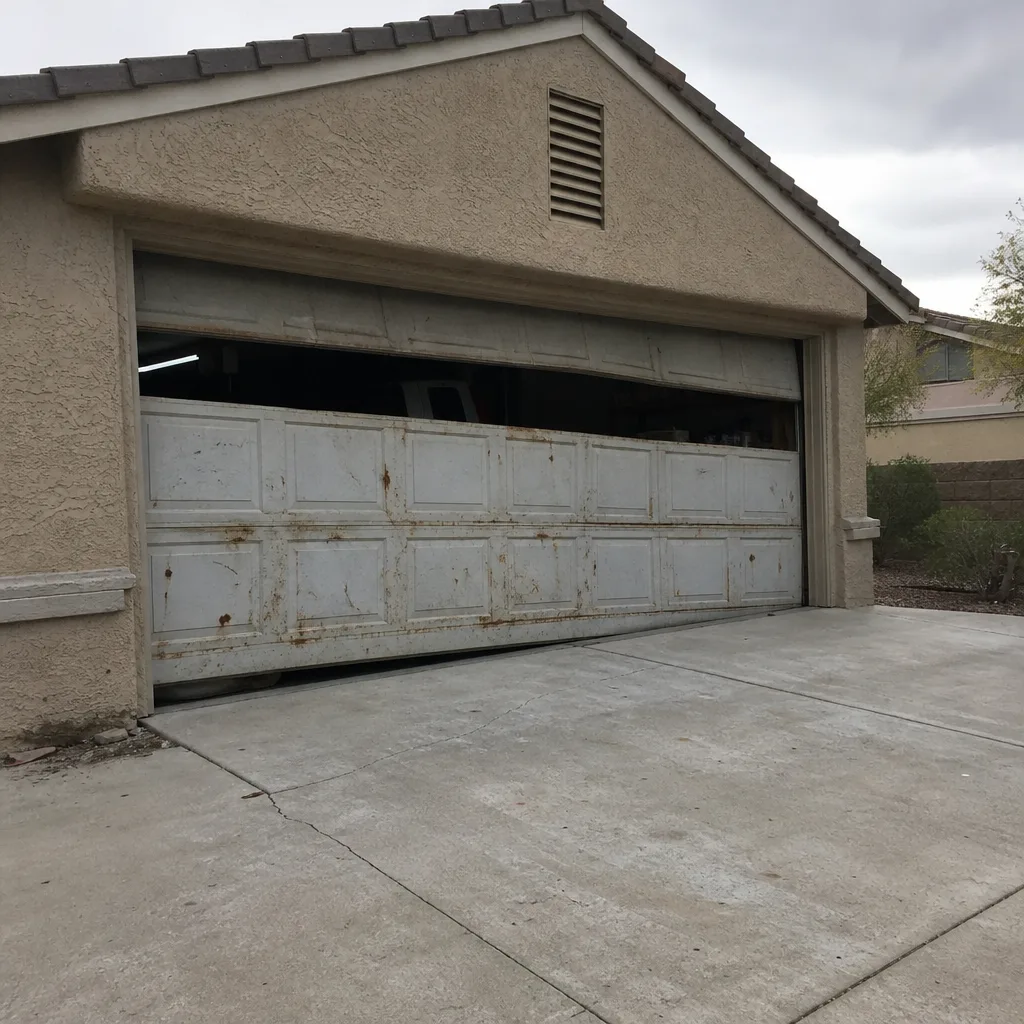 Before
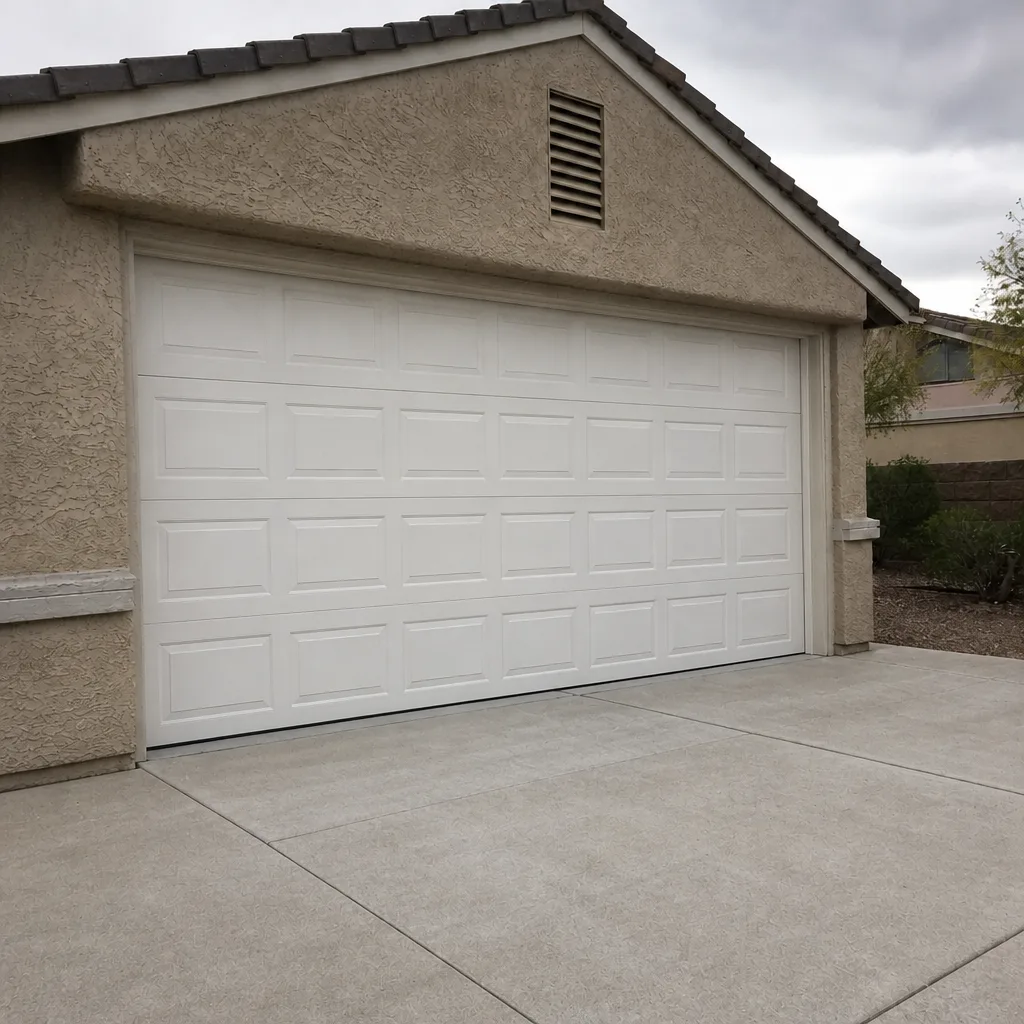 After
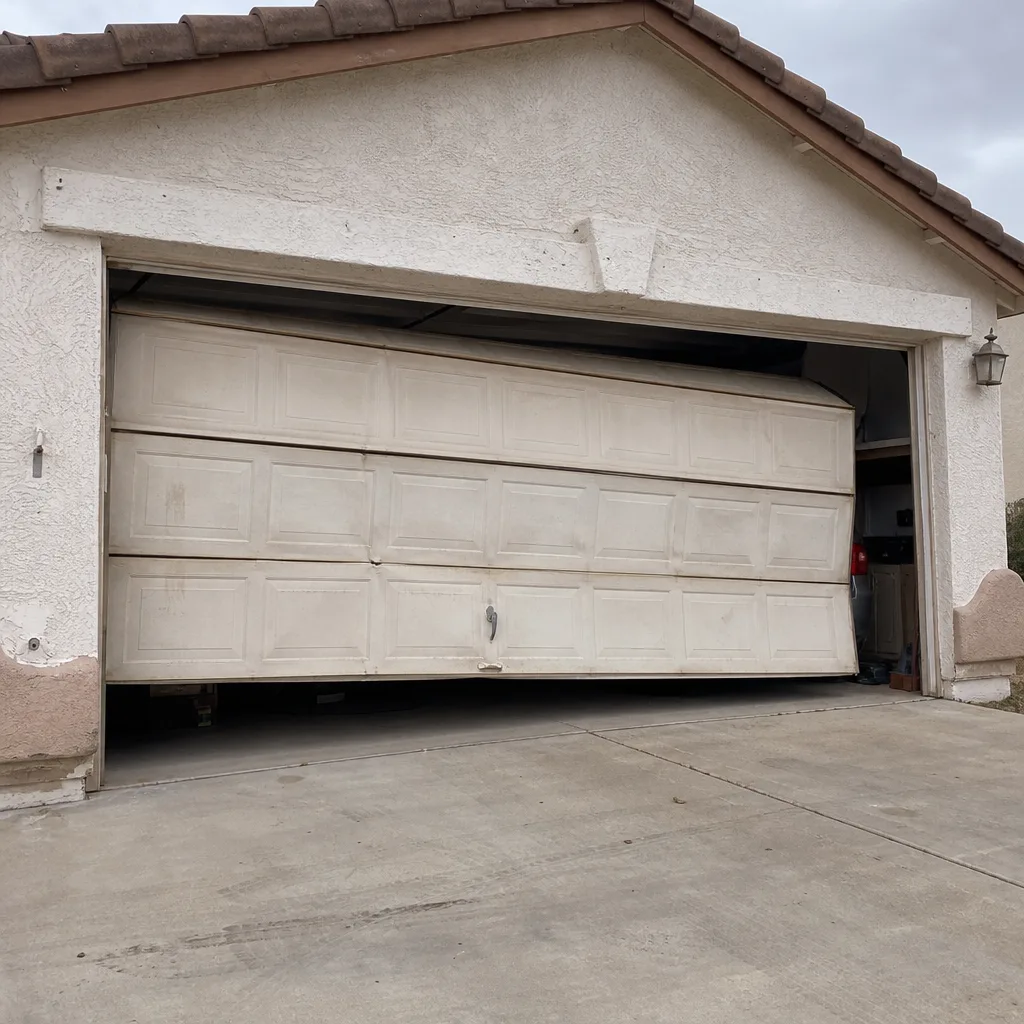 Before
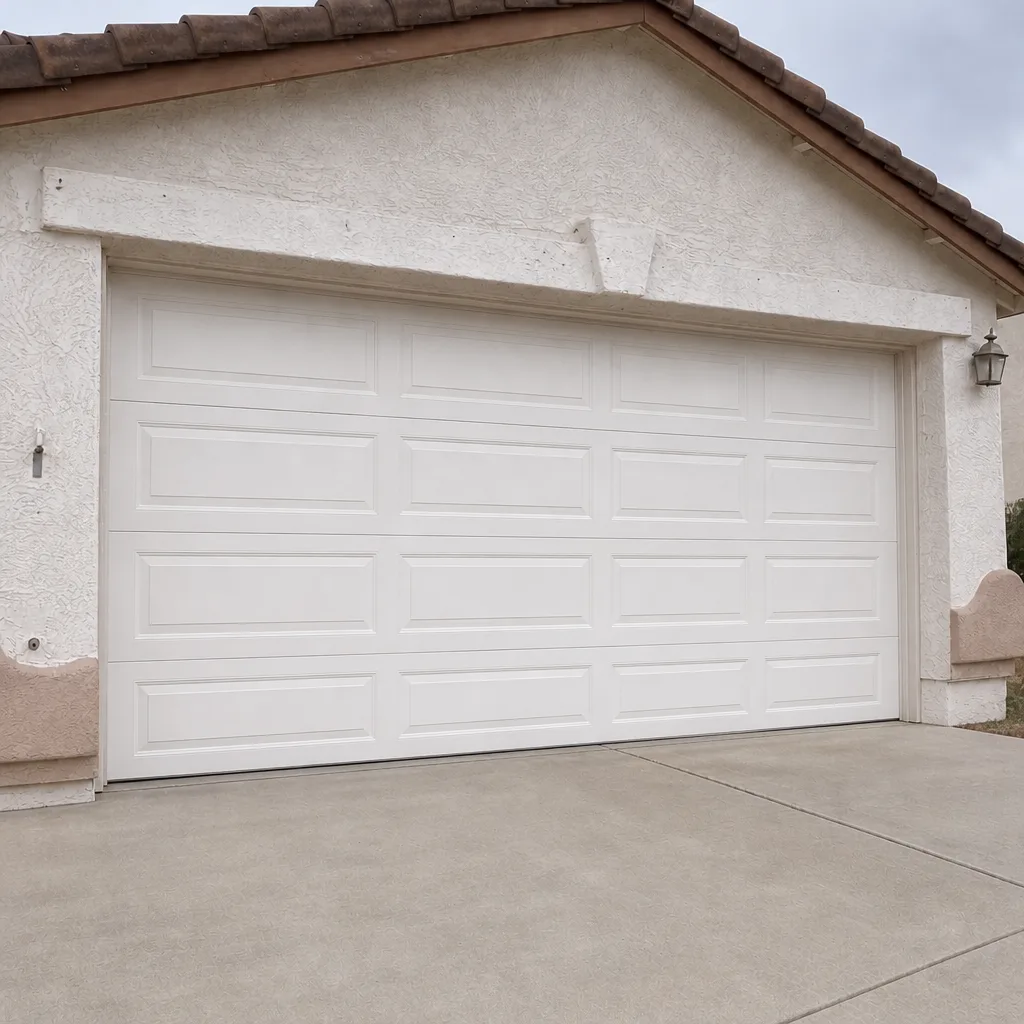 After
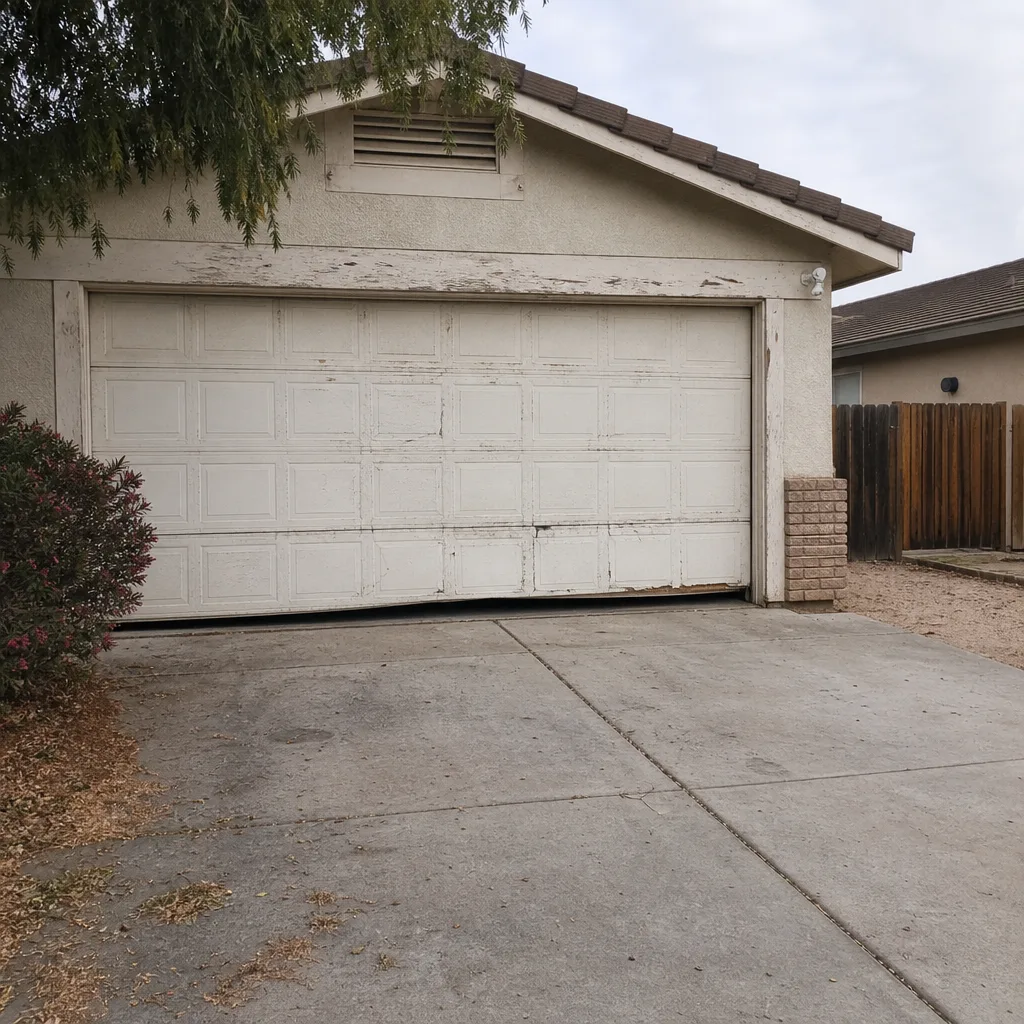 Before
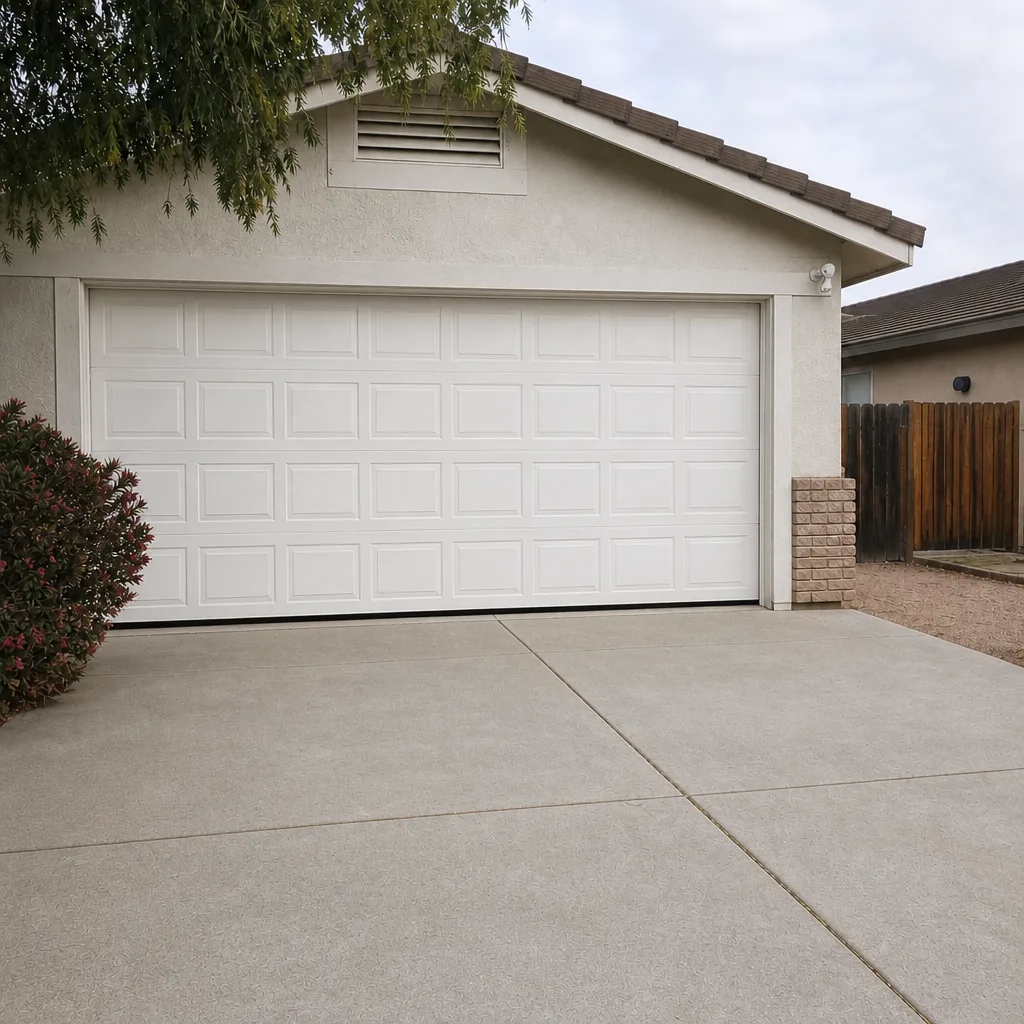 After
When to Call a Professional
Some jobs are straightforward: a broken spring, a door that won’t close, a grinding opener. Those are worth a call, and we answer repair calls six days a week. Other jobs genuinely need a specialist: torsion spring replacement, high-tension cable work, opener replacement, and anything involving the electrical panel or the opener’s low-voltage wiring. High-tension springs and cables store enormous energy even when the door is down, and a mistake there can cause serious injury. Don’t attempt that work yourself; call a trained technician. On the installation side, a new door is a measure-order-install job, not a same-day fix, and getting the measurement, the HOA approval, and the opener compatibility right up front saves problems later. Mariner Garage Door Repair offers free estimates in Goodyear. Call (844) 834-1797. We answer 24/7. Fast dispatch from 7am to 7pm, Sunday through Friday.
We’re a garage-door-only company, which is why we can speak to brand specifics across LiftMaster, Chamberlain, Genie, Clopay, Amarr, Wayne Dalton, Craftsman, and Raynor without hedging. One call, the right fix.
Frequently Asked Questions
There’s no single best brand; the best door combines correct steel gauge, solid insulation, a UV-resistant finish, and local parts availability, plus HOA-approved styling. Amarr, Clopay, and Wayne Dalton all offer residential lines that can meet that bar, but the model and gauge you choose matter more than the brand name. Call (844) 834-1797 for a free estimate on a door that fits your home.
Ask for the whole-door R-value and the insulation type, not just a panel-center figure. Polyurethane cores generally outperform polystyrene at the same thickness, and air sealing around the perimeter matters as much as the core itself. If the spec doesn’t state the method, treat it as incomplete. Call (844) 834-1797 to talk through your door’s spec sheet.
In many Goodyear communities, yes. Design guidelines often govern the color, panel profile, window inserts, and hardware you can install, and approval is typically required before work begins. Read your guidelines and submit for review before you order. Call (844) 834-1797 and we’ll help you check a model against your HOA’s palette.
It depends on the brand and model; some parts are stocked at local distributors and move quickly, while others require a factory order that can take considerably longer. Before you buy, ask where that model’s panels are stocked and what a typical factory order looks like. Call (844) 834-1797 for a free estimate and a straight answer on parts for your brand.
Yes. Moving from 25-gauge to 24-gauge steel means a thicker, stiffer panel that resists dents and holds its finish better over time. A brand can offer both, so compare models at the same gauge and insulation level rather than comparing brands. Call (844) 834-1797 to confirm the gauge on the door you’re considering.
Not always. A heavier insulated door may exceed an older opener’s rated lift capacity, and some openers don’t pair cleanly with certain door weights or features. Have the opener checked against the new door’s weight and confirm the safety reverse and photo-eye systems work. Call (844) 834-1797 and we’ll assess the opener and the door together.
The Bottom Line
Choosing a garage door brand in Goodyear comes down to three things: how the door performs under real desert heat, whether its parts are available locally, and whether its color and profile will pass your HOA. That’s more useful than any national marketing budget. Amarr, Clopay, and Wayne Dalton all offer doors that can meet the bar, but the gauge, insulation, finish, and hardware you specify inside that brand determine the actual result. Read warranties by layer, not by headline. Match the opener to the door. Get every quote in writing before any work starts. Our technicians have up to 11 years of experience working across these systems, and we’re glad to talk through the specifics for your home. Every estimate is free, and the price is quoted and agreed before anything starts. This guide is written from Goodyear, and our team knows the local door market as well as the local climate. For a brand-specific quote or a look at your current door, call (844) 834-1797. We answer 24/7. Fast dispatch from 7am to 7pm, Sunday through Friday.
Written by the team at Mariner Garage Door Repair.